HeadPowder, a prominent entity in the material handling industry, is dedicated to providing advanced solutions for the efficient transport of materials. This article explores the principles and operational characteristics of dye pneumatic conveying lines, a key product offered by Shandong HeadPowder Engineering Co., Ltd., a company based in Shandong, China. The content below delves into how these systems work and the specific environments in which they are most effective, offering insights into their role in modern industrial applications.
Principle of Dye Pneumatic Conveying Lines
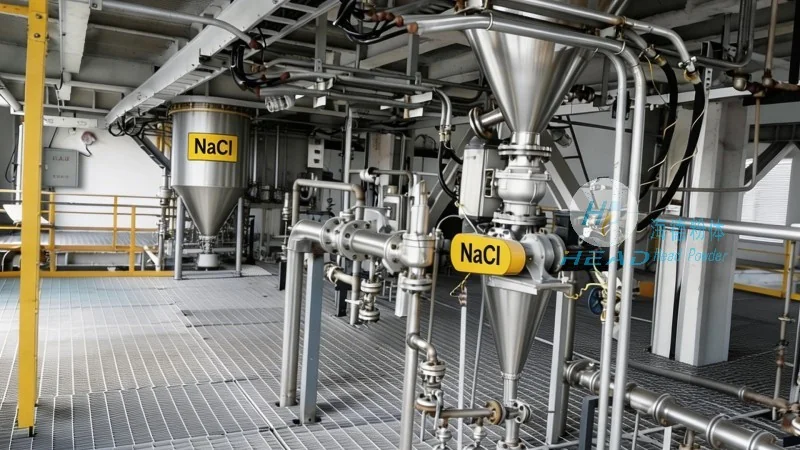
Dye pneumatic conveying lines operate on the principle of using compressed air to transport solid materials, such as dye powders, through a pipeline system. The process typically involves a series of components, including a material feeder, a pressure vessel or hopper, a venturi or air lock, and a receiver or discharge point. The core mechanism relies on the creation of a pressure differential between the conveying line and the ambient environment. When compressed air is introduced into the system, it generates a high-velocity airflow that entrains the dye particles, forming a dense phase or dilute phase flow depending on the system design and operational parameters. This airflow carries the dye particles through the pipeline, ensuring efficient and continuous movement from the source to the destination. The system can be categorized into two main types: dense phase and dilute phase. Dense phase systems use higher air velocities and lower material velocities, resulting in a more compact flow with higher material concentration. Dilute phase systems, on the other hand, operate at lower air velocities and higher material velocities, producing a more dispersed flow with lower material concentration. The choice between these systems depends on factors such as the properties of the dye powder, the required conveying distance, and the desired material handling efficiency.
Working Scene Characteristics of Dye Pneumatic Conveying Lines
The operational environments of dye pneumatic conveying lines are tailored to meet the specific demands of the dye manufacturing and processing industries. These systems are commonly employed in settings where the safe and efficient transport of dye powders is critical, such as in chemical plants, textile mills, and pharmaceutical facilities. The working scene characteristics include several key aspects that contribute to the effectiveness and reliability of the conveying process.
Material Handling Efficiency and Safety
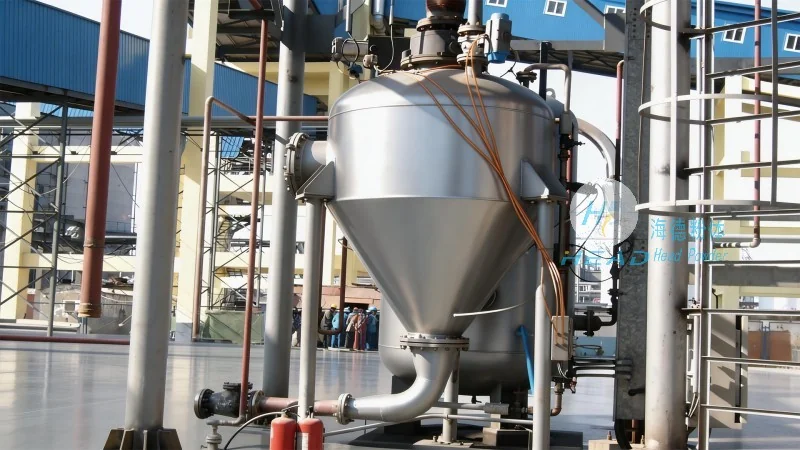
One of the primary characteristics of dye pneumatic conveying lines is their ability to handle dye powders with high efficiency and minimal risk of contamination or spillage. The enclosed pipeline system prevents dust emissions and cross-contamination, which is crucial in industries where product purity and environmental compliance are paramount. The system's design ensures that the dye particles are transported in a controlled manner, reducing the likelihood of clogging or blockages in the pipeline. Additionally, the use of compressed air provides a clean and dry conveying medium, which helps maintain the quality of the dye powder and prevents moisture-related issues that could affect its performance.
Flexibility and Scalability
Dye pneumatic conveying lines are designed to be flexible and scalable, allowing them to adapt to various operational requirements and production changes. The modular nature of the system enables easy integration with existing production lines and the addition of new components as needed. This flexibility is particularly beneficial in industries where production volumes fluctuate or where new dye formulations are introduced. The system can be configured to handle different types of dye powders, including fine powders, coarse powders, and granules, making it a versatile solution for diverse material handling needs.
Energy Efficiency and Cost-Effectiveness
Another important characteristic of dye pneumatic conveying lines is their energy efficiency and cost-effectiveness. Compared to traditional mechanical conveying methods, such as belt conveyors or bucket elevators, pneumatic conveying systems can offer significant energy savings, especially for long-distance or high-volume transport. The use of compressed air as the conveying medium reduces the need for moving parts and maintenance, leading to lower operational costs over time. Furthermore, the system's ability to handle large quantities of dye powder in a single operation minimizes the number of handling steps required, reducing labor costs and improving overall production efficiency.
Application in Dye Manufacturing and Processing
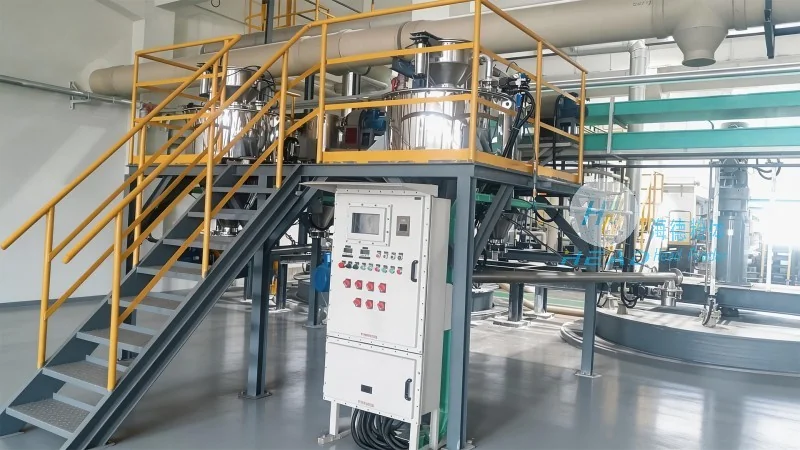
The working scene characteristics of dye pneumatic conveying lines are closely aligned with the specific requirements of dye manufacturing and processing. These systems are commonly used in the production of various types of dyes, including direct dyes, acid dyes, and reactive dyes. The conveying process is integral to several stages of dye production, such as raw material handling, intermediate processing, and final product packaging. For example, in the production of direct dyes, the system may be used to transport dye powders from storage silos to mixing tanks, ensuring a consistent and controlled supply of raw materials. In the case of acid dyes, the system can handle the transport of dye powders from the drying and grinding stages to the packaging area, maintaining the quality and purity of the final product.
Operational Considerations and Maintenance
While dye pneumatic conveying lines offer numerous advantages, their effective operation requires careful consideration of several factors. Proper system design and sizing are essential to ensure optimal performance and prevent issues such as pressure drops or material buildup. Regular maintenance is also crucial to maintain the system's efficiency and longevity. This includes cleaning the pipeline, checking for leaks in the compressed air system, and inspecting the material feeder and venturi components for wear and tear. Additionally, the system should be equipped with appropriate safety features, such as pressure relief valves and dust collection systems, to ensure safe operation and compliance with industry regulations.
Conclusion
In conclusion, dye pneumatic conveying lines are sophisticated systems that leverage the principles of pneumatic transport to efficiently handle dye powders in industrial settings. The working scene characteristics of these systems, including their efficiency, safety, flexibility, and cost-effectiveness, make them an ideal solution for the dye manufacturing and processing industries. As a leading provider of material handling solutions, Shandong HeadPowder Engineering Co., Ltd. specializes in the design and implementation of such systems, ensuring that clients receive tailored solutions that meet their specific operational needs and industry standards.




