Wheat bran, a byproduct of wheat milling, is widely utilized in the food, feed, and pharmaceutical industries due to its nutritional value and functional properties. Efficient and reliable transportation of wheat bran from storage to processing units is essential for maintaining production efficiency and product quality. Pneumatic conveying systems have emerged as a preferred solution for handling wheat bran, offering advantages such as dust-free operation, reduced product contamination, and the ability to transport materials over long distances. This article explores the fundamental principles of wheat bran pneumatic conveying lines and highlights the key working scene characteristics that make them suitable for various industrial applications.
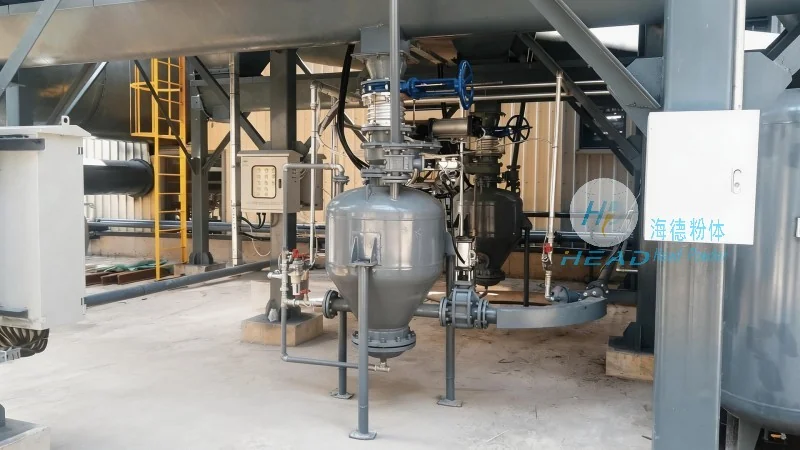
Principle of Wheat Bran Pneumatic Conveying
Pneumatic conveying relies on the movement of air or gas to transport solid particles through a pipeline. The core principle involves creating a pressure differential within the system, which propels the wheat bran particles forward. There are two main types of pneumatic conveying systems: pressure and vacuum. Pressure systems use a positive pressure generated by a blower or compressor to push the material through the pipeline, while vacuum systems create a negative pressure to draw the material from the source. For wheat bran, which is a light, free-flowing powder, pressure systems are often preferred due to their ability to handle high volumes and maintain consistent flow rates.
The typical components of a wheat bran pneumatic conveying line include a feed hopper with a rotary valve or star feeder to control the material flow, a positive displacement blower or centrifugal fan to generate the necessary air pressure, a series of straight and curved pipes to guide the material, a dust separator or cyclone to separate the bran from the air stream, and a collection bin or silo at the destination. The feed hopper ensures a continuous and controlled supply of wheat bran, preventing blockages and maintaining a steady flow rate. The rotary valve acts as a gate, allowing the bran to enter the pipeline in controlled quantities, which is critical for preventing overloading and ensuring smooth operation. The blower or fan provides the motive force, with the pressure level determined by the system's design, material characteristics, and distance to be covered. The pipes are typically made of stainless steel or plastic to resist corrosion and maintain hygiene, especially important for food-grade applications. The dust separator is a key component that captures the wheat bran particles from the air stream, preventing them from being released into the environment and ensuring that the collected bran is free from contaminants. The collection bin then stores the transported wheat bran, ready for further processing or packaging.
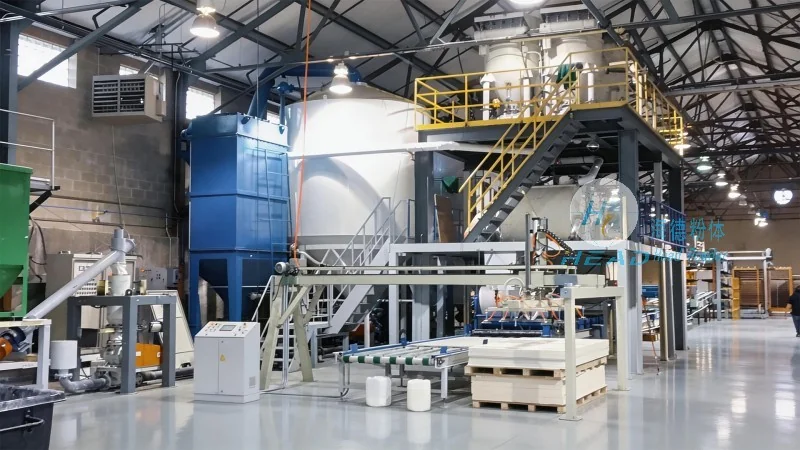
Working Scene Characteristics of Wheat Bran Pneumatic Conveying Lines
The working scene characteristics of wheat bran pneumatic conveying lines are tailored to meet the specific demands of industrial environments where wheat bran is processed. These characteristics include high efficiency, low maintenance, and adaptability to different production scales. In food processing facilities, for example, the system must comply with hygiene standards, such as being easy to clean and maintain, and using materials that are resistant to corrosion and bacterial growth. The dust-free operation is particularly important in food processing, as it prevents contamination of the wheat bran and ensures that the final product meets safety regulations. The ability to transport wheat bran over long distances without degradation is another key characteristic, allowing manufacturers to centralize storage and processing operations, which improves overall efficiency and reduces transportation costs.
In feed manufacturing plants, the pneumatic conveying system may need to handle larger volumes of wheat bran and operate under different environmental conditions. The system's robust design, with durable components that can withstand high material flow rates and potential abrasion, is essential. The pressure system's ability to maintain consistent flow rates even with varying material moisture content is also a critical feature, as wheat bran can have different moisture levels depending on the season and source. The working scene may also involve multiple transfer points, such as moving wheat bran from a storage silo to a mixing unit or from a grinding station to a packaging line. The flexibility of the pneumatic conveying line, with its ability to reconfigure the pipeline layout as needed, makes it suitable for these dynamic production environments. Additionally, the system's low noise operation is beneficial in feed mills, where noise levels are often a concern for both equipment and personnel.
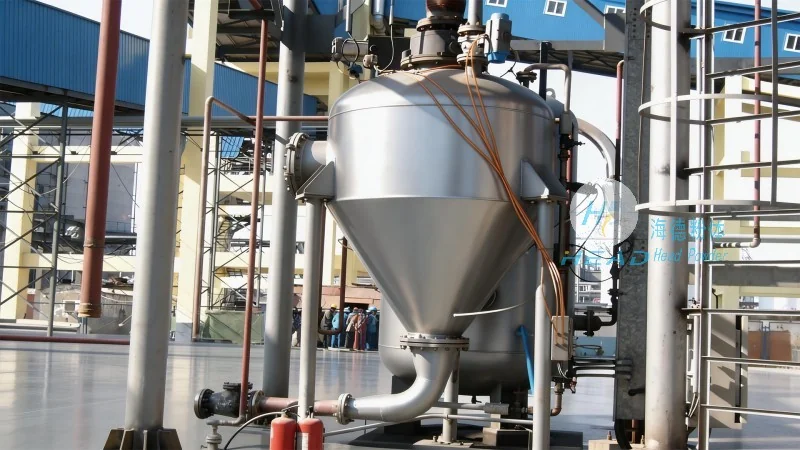
Advantages and Applications in Industrial Settings
Wheat bran pneumatic conveying lines offer several advantages that make them ideal for industrial applications. One of the primary benefits is the reduction in labor costs, as the system automates the material handling process, eliminating the need for manual loading and unloading. This not only increases production efficiency but also improves workplace safety by reducing the risk of accidents associated with manual handling. The system also minimizes product loss and contamination, as the enclosed pipeline prevents dust and moisture from entering the wheat bran, and the separation process ensures that only the bran is collected. This is particularly important in pharmaceutical applications, where product purity is paramount.
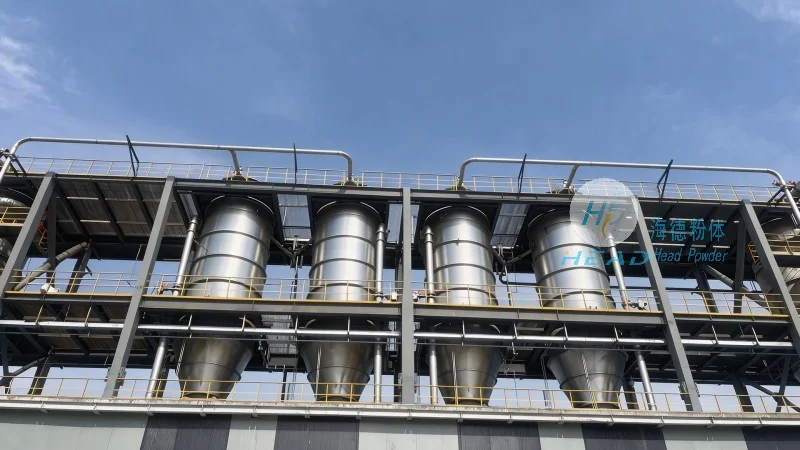
The adaptability of the system to different production scales is another key advantage. Small-scale operations can use compact pneumatic conveying lines with lower capacity, while large-scale facilities can implement more extensive systems with higher throughput. This flexibility allows manufacturers to scale their operations as needed without significant changes to the conveying infrastructure. Furthermore, the system's energy efficiency, especially with modern high-efficiency blowers, reduces operational costs and contributes to environmental sustainability. The low maintenance requirements, with components designed for long service life, also contribute to cost savings over the system's lifespan.
Conclusion
Wheat bran pneumatic conveying lines are a vital component in the efficient and safe handling of wheat bran in various industrial applications. By understanding the fundamental principles of pneumatic conveying and the working scene characteristics, manufacturers can select and implement the most suitable system for their specific needs. The combination of high efficiency, low contamination risk, and adaptability makes these systems a preferred choice for food, feed, and other industries. As a leading provider of engineering solutions, Shandong HeadPowder Engineering Co., Ltd. specializes in designing and manufacturing customized pneumatic conveying systems tailored to the unique requirements of wheat bran processing. With its headquarters in Shandong, China, the company leverages its expertise and local resources to deliver reliable and efficient solutions that enhance production efficiency and product quality for its clients.




