

What is a Dry Desulfurizer Material Pneumatic Conveying Line? And What Are Its Design Principles?
For industrial applications, especially in power plants and chemical processing facilities, the efficient and reliable transport of dry desulfurizer materials is crucial for maintaining operational efficiency and environmental compliance. A dry desulfurizer material pneumatic conveying line is a specialized system designed to handle the movement of these materials from storage to processing units. This article explores the fundamental aspects of such a system, including its design principles and the key considerations that ensure optimal performance.
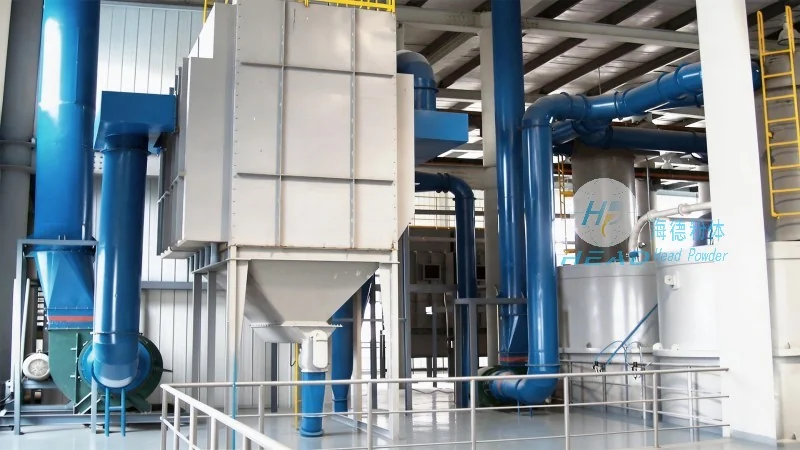
Introduction to Dry Desulfurizer Material Pneumatic Conveying Lines
Dry desulfurizer materials, often in the form of powders or granules, are essential components in flue gas desulfurization processes. These materials, such as limestone or other alkaline compounds, are used to neutralize sulfur dioxide (SO₂) emissions from combustion processes. The pneumatic conveying line serves as a critical link in the supply chain, ensuring that these materials are delivered to the desulfurization reactors or other processing equipment in a controlled and efficient manner. The system typically involves a combination of components, including hoppers, feeders, conveying pipes, and control systems, all working in tandem to achieve the desired material transport.
Key Components of a Pneumatic Conveying System
The design of a dry desulfurizer material pneumatic conveying line is built upon several core components that work together to facilitate material transport. The primary components include:
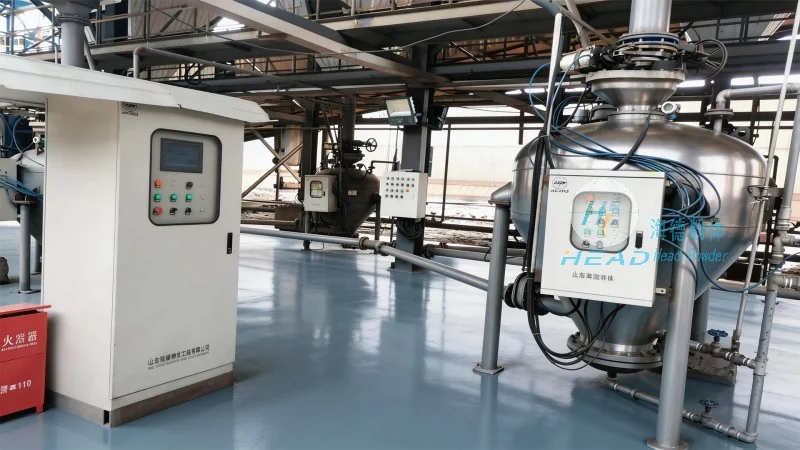
- Material Hoppers: These are storage vessels that hold the dry desulfurizer material. They are designed to accommodate the bulk material and provide a consistent feed to the system. The hopper design often includes features like level indicators and discharge valves to control the material flow.
- Feeders: Feeders are used to regulate the flow of material from the hopper into the conveying line. Common types include rotary valves, screw feeders, or vibratory feeders, which ensure a steady and controlled discharge of the material. The choice of feeder depends on the material's characteristics, such as particle size, flowability, and moisture content.
- Conveying Pipes: The pipes form the main pathway for the material transport. They are typically made of materials like stainless steel or plastic, chosen for their resistance to corrosion and wear from the dry desulfurizer material. The pipe layout is carefully designed to minimize pressure drops and ensure smooth material movement.
- Air Supply System: This system generates the necessary air pressure or vacuum to move the material through the pipes. It includes components like blowers, fans, or vacuum pumps, along with air treatment equipment to filter and condition the air, preventing contamination from the material and ensuring system longevity.
- Control and Monitoring Systems: Modern pneumatic conveying lines are equipped with advanced control systems that monitor parameters such as pressure, flow rate, and material level. These systems allow for real-time adjustments and help maintain optimal operating conditions, enhancing the reliability and efficiency of the process.
Design Principles for Optimal Performance
The design of a dry desulfurizer material pneumatic conveying line follows specific principles to ensure efficient and reliable operation. The primary design principles include:
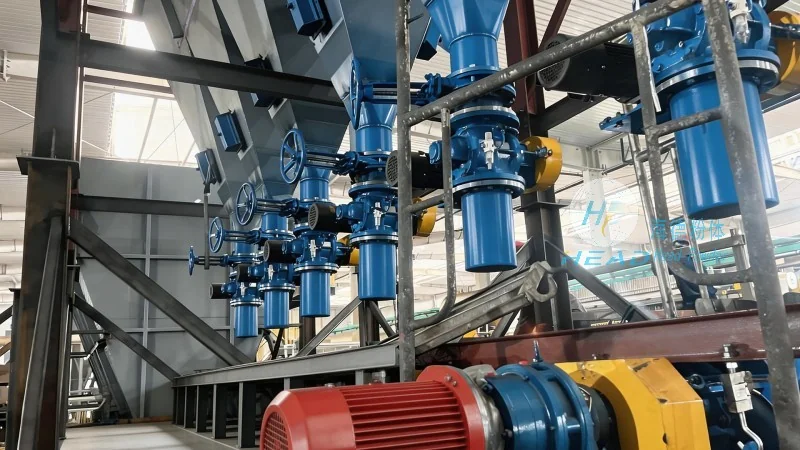
- Pressure Drop Management: The system is designed to minimize pressure drops along the conveying path. This is achieved by optimizing pipe diameter, reducing bends and fittings, and using smooth pipe surfaces. Proper pressure drop management ensures that the air supply system operates efficiently and that the material is conveyed at the desired velocity without excessive energy consumption.
- Material Characteristics Consideration: The design takes into account the physical properties of the dry desulfurizer material, such as particle size distribution, density, and flowability. These characteristics influence the selection of feeders, pipe diameters, and air velocity. For example, finer particles may require higher air velocities to prevent clogging, while larger particles may need larger pipe diameters to avoid excessive wear.
- System Integration and Scalability: The design considers the integration of the pneumatic conveying line with the overall plant layout and the need for scalability. The system should be adaptable to changes in production requirements, such as increased material throughput or changes in material types. This ensures long-term operational flexibility and cost-effectiveness.
- Safety and Environmental Compliance: The design incorporates safety features to prevent material leakage and air emissions. This includes proper sealing of components, filtration of exhaust air, and compliance with environmental regulations. The system is designed to minimize the risk of dust explosions and ensure that the material is handled in a manner that protects both personnel and the environment.
Applications and Benefits of Dry Desulfurizer Material Pneumatic Conveying Lines
Dry desulfurizer material pneumatic conveying lines are widely used in various industrial applications, particularly in power generation and chemical industries. The primary benefits of these systems include:
- Efficient Material Transport: The system provides a continuous and reliable transport of dry desulfurizer materials, reducing downtime and improving overall plant productivity.
- Reduced Labor and Maintenance: Automated feeding and conveying systems minimize the need for manual handling, reducing labor costs and the risk of material exposure to workers.
- Improved Process Control: Advanced control systems allow for precise regulation of material flow, ensuring consistent performance of the desulfurization process and meeting emission standards.
- Space Efficiency: Pneumatic conveying lines can be designed to fit into confined spaces, making them suitable for retrofitting in existing facilities or for new plant installations.
Conclusion
A dry desulfurizer material pneumatic conveying line is a critical component in modern industrial processes, enabling the efficient and reliable transport of essential desulfurizer materials. The design principles, including pressure drop management, material characteristics consideration, system integration, and safety compliance, are crucial for ensuring optimal performance. By understanding these principles and leveraging advanced technology, industrial facilities can enhance their operational efficiency, reduce costs, and meet environmental regulations. Shandong HeadPowder Engineering Co., Ltd., based in Shandong, China, specializes in the design and manufacturing of such systems, providing tailored solutions to meet the specific needs of power plants and chemical processing facilities.