

What is a Powdered Pneumatic Conveying System for Lithium-Ion Battery Materials? And What Are Its De
For professionals in the lithium-ion battery industry, understanding the technology behind efficient material handling is crucial. A powdered pneumatic conveying system is a specialized equipment used to transport fine powders, such as those used in battery cathode and anode materials, from one location to another. This system plays a vital role in the production line, ensuring that raw materials are moved safely, efficiently, and with minimal loss. The design principles of such systems are tailored to the unique properties of battery materials, which often include high purity requirements and sensitivity to moisture or contamination.
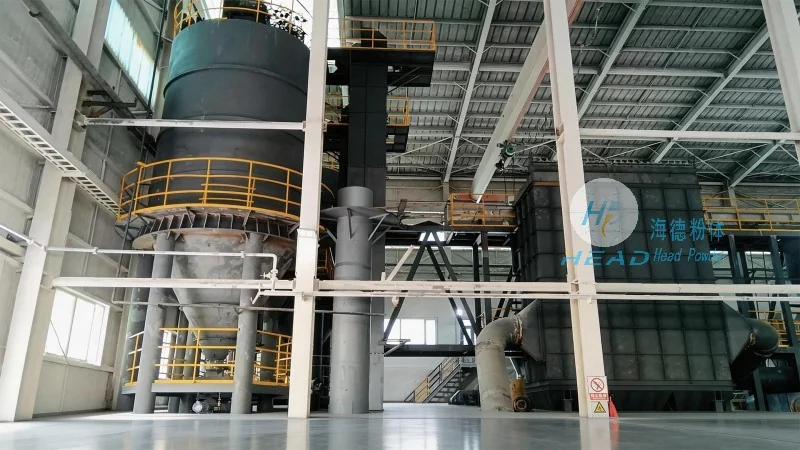
Introduction to Powdered Pneumatic Conveying Systems for Lithium-Ion Battery Materials
A powdered pneumatic conveying system, also known as a pneumatic conveyor, is a method of transporting bulk materials in the form of dry powders through a pipeline using air or other gases. In the context of lithium-ion battery manufacturing, these systems are essential for moving materials like lithium carbonate, nickel oxide, cobalt, and other active and inactive components. The primary goal of these systems is to achieve a reliable, continuous, and clean transfer of materials, which is critical for maintaining the quality and consistency of battery production. Unlike traditional mechanical conveyors, pneumatic systems can handle materials that are difficult to transport due to their fine particle size or cohesive properties, making them ideal for battery material processing.
Key Components and Working Principle
The core components of a powdered pneumatic conveying system typically include a material feeder, a conveying line (pipeline), a gas source (air compressor), a separation unit (cyclone or filter), and a discharge device. The material feeder is responsible for feeding the powder into the system at a controlled rate, ensuring a consistent flow. The conveying line transports the powder and air mixture to the destination. The gas source provides the necessary pressure or vacuum to move the material through the pipeline. The separation unit separates the material from the air, allowing the powder to be collected at the end point while the air is either recirculated or vented. The discharge device then releases the material into the next processing stage.
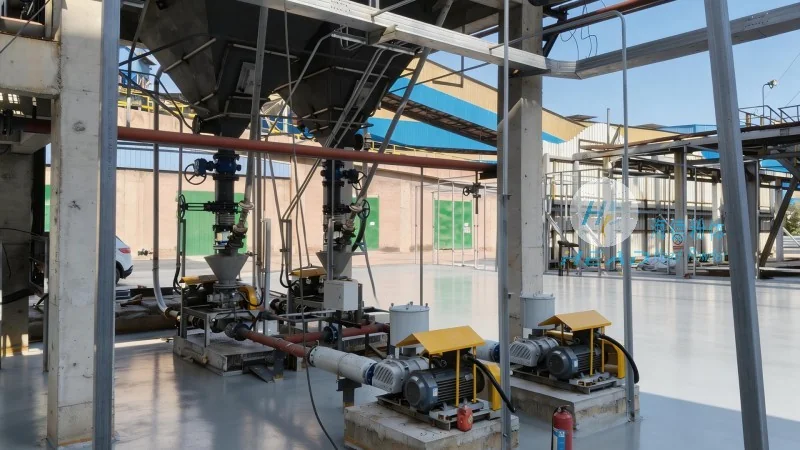
The working principle of a pneumatic conveying system can be categorized into two main types: positive pressure and negative pressure. Positive pressure systems use an air compressor to generate pressure that pushes the material through the pipeline, typically from a central source to multiple destinations. Negative pressure systems, on the other hand, use a vacuum to draw the material into the system, often from multiple points to a central collection point. For lithium-ion battery materials, positive pressure systems are commonly preferred due to their ability to handle high material loads and maintain consistent flow rates, which is essential for maintaining the quality of the final battery products.
Design Principles for Efficient Material Handling
The design of a powdered pneumatic conveying system for lithium-ion battery materials involves several critical principles to ensure optimal performance. First, the system must be designed to handle the specific physical properties of the materials, such as particle size distribution, bulk density, and flowability. These properties determine the required air velocity and pressure to achieve efficient transport. For example, finer particles may require higher air velocities to prevent clogging or deposition in the pipeline, while larger particles may need lower velocities to avoid excessive wear on the system components.
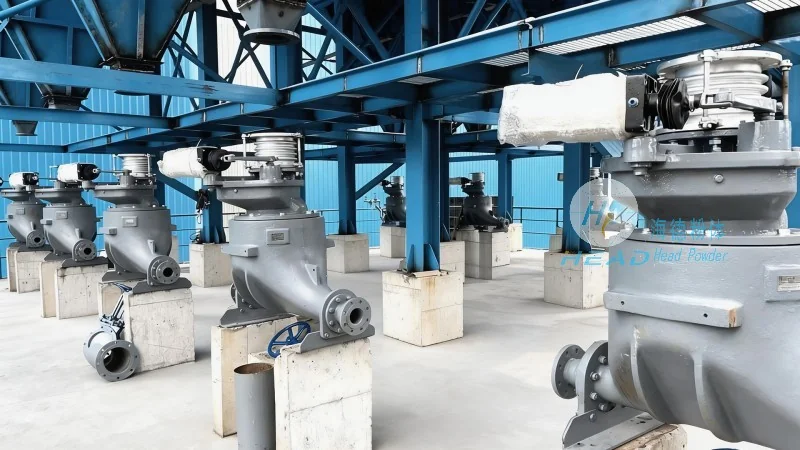
Second, the system design must consider the distance and layout of the production facility. The length and number of bends in the conveying line can significantly impact the system's performance. Properly designed pipelines with minimal bends and appropriate diameter are crucial to maintain the material's flow and prevent pressure losses. Additionally, the system must be equipped with appropriate separation and filtration components to ensure that the material remains clean and free from contaminants, which is critical for maintaining the high purity standards required in lithium-ion battery manufacturing.
Third, energy efficiency is a key design consideration. The system should be optimized to minimize energy consumption while maintaining the required conveying capacity. This includes selecting the appropriate air compressor size, using energy-efficient components, and implementing proper air recycling or pressure control mechanisms. For instance, using a variable frequency drive (VFD) on the air compressor can adjust the air pressure and flow based on the actual material demand, reducing unnecessary energy use.
Applications and Benefits in Lithium-Ion Battery Production
Powdered pneumatic conveying systems are widely used in various stages of lithium-ion battery production. In the raw material processing stage, these systems are used to transport raw materials from storage silos to mixing and grinding equipment. During the battery cell manufacturing stage, they are used to convey active materials to the coating and slurry preparation lines. The benefits of using such systems include improved process reliability, reduced material loss, and enhanced safety compared to manual handling or traditional mechanical conveyors. By automating the material transport process, manufacturers can achieve higher production throughput and better control over the quality of the final battery products.
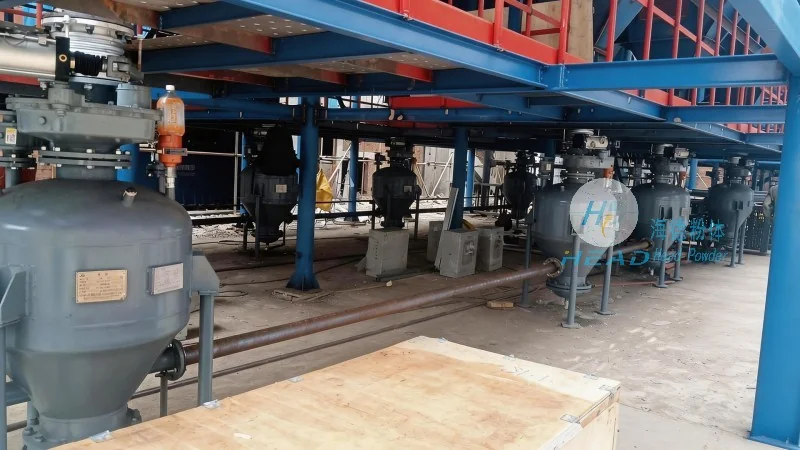
Shandong HeadPowder Engineering Co., Ltd. and Its Expertise
Shandong HeadPowder Engineering Co., Ltd., a leading company based in Shandong, China, specializes in the design, manufacturing, and installation of advanced powder handling systems, including powdered pneumatic conveying systems for lithium-ion battery materials. With years of experience in the industry, the company has developed a deep understanding of the unique challenges and requirements of battery material processing. Their systems are designed to meet the stringent standards of lithium-ion battery manufacturers, ensuring high efficiency, low maintenance, and long service life. The company's expertise lies in customizing systems to suit specific production needs, providing tailored solutions that enhance the overall performance of the battery manufacturing process.
Conclusion
Powdered pneumatic conveying systems are indispensable in the lithium-ion battery industry, providing an efficient and reliable method for transporting critical materials. The design principles behind these systems are carefully tailored to the properties of battery materials, ensuring optimal performance and quality. Companies like Shandong HeadPowder Engineering Co., Ltd. play a vital role in delivering these advanced systems, helping battery manufacturers achieve higher productivity and maintain the high standards required in today's market.