Soil pneumatic conveying is a specialized method used to transport soil and other granular materials through a pipeline using compressed air or gas. This technology offers an efficient and flexible solution for moving bulk materials in various industrial and construction applications. The process involves creating a pressure differential within the pipeline, which propels the material forward as it is entrained by the air flow. Unlike traditional mechanical conveying systems, pneumatic conveying eliminates the need for moving parts in contact with the material, reducing wear and maintenance requirements.
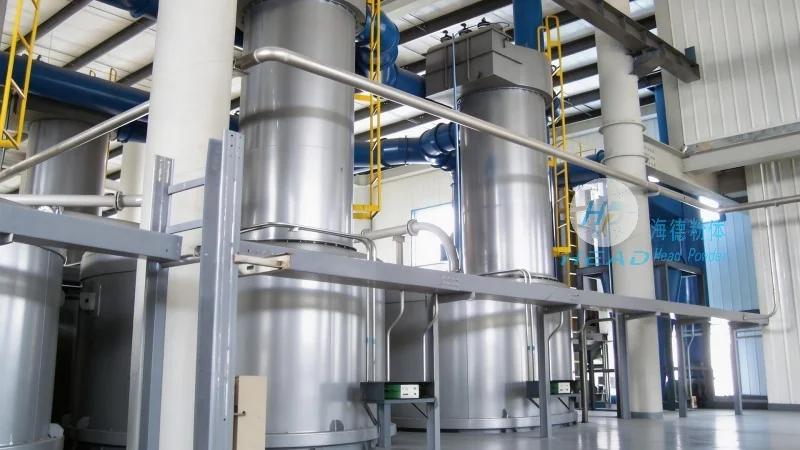
The Core Design Principles of Soil Pneumatic Conveying Systems
The design of a soil pneumatic conveying system is based on several key principles that ensure efficient and reliable operation. The primary principle is the creation of a consistent air velocity that is sufficient to lift and transport the soil particles. This velocity is determined by factors such as the particle size, density, and moisture content of the soil, as well as the pipeline diameter and length. Engineers must calculate the necessary air pressure and flow rate to achieve the desired conveying capacity. The system typically consists of a hopper for material storage, a blower or compressor to generate the air pressure, a pipeline network, and a discharge point. The design must also consider the pressure drop along the pipeline, which is influenced by bends, fittings, and the material's resistance to flow. Proper sizing of the blower and pipeline is critical to maintain the required air velocity and prevent blockages or excessive energy consumption.
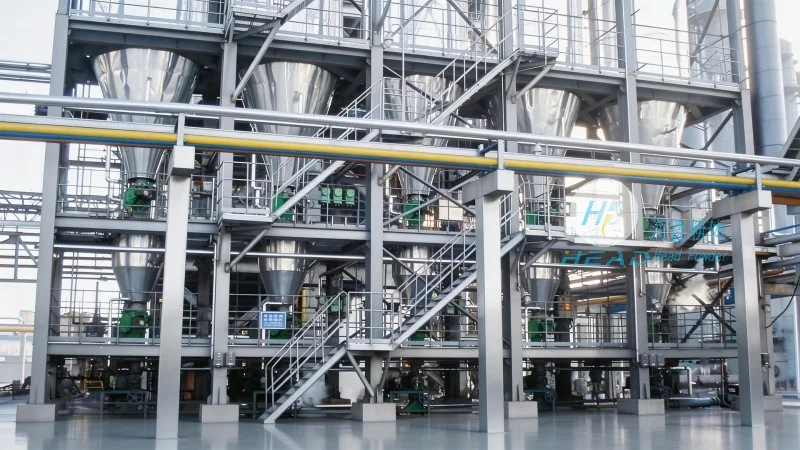
Key Components and Their Function in Soil Pneumatic Conveying
Several essential components make up a soil pneumatic conveying system, each playing a vital role in the overall operation. The hopper is the initial point where soil is loaded into the system, often equipped with a feeder to regulate the material flow. The feeder ensures a consistent supply of soil to the pipeline, preventing overloading and maintaining stable conveying conditions. The blower or compressor is the heart of the system, providing the necessary pressure to move the material. It must be capable of delivering the required air volume and pressure to overcome the pipeline resistance and lift the soil particles. The pipeline network connects the hopper to the discharge point and may include various fittings such as elbows, tees, and valves to direct the flow and control the system. The discharge point is where the soil is released from the pipeline, often equipped with a receiver or silo to collect the material. In some cases, a filter or separator may be included to remove any air or dust from the discharged soil, ensuring a clean and efficient process. Companies like Shandong HeadPowder Engineering Co., Ltd. specialize in designing and implementing such systems, ensuring optimal performance and reliability for various industrial applications.
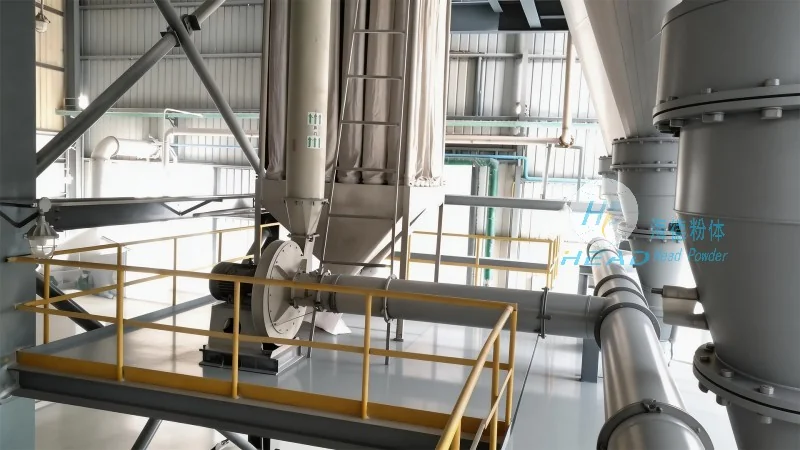
Design Considerations for Efficient Soil Pneumatic Conveying
Designing an effective soil pneumatic conveying system requires careful consideration of several factors to optimize performance and minimize operational costs. The first consideration is the material characteristics, as different soils have varying properties that affect conveying efficiency. For example, dry, fine-grained soils may require higher air velocities to prevent clogging, while wet or cohesive soils may need additional measures such as pre-drying or the use of additives to improve flowability. The pipeline diameter is another critical factor, as a larger diameter reduces pressure drop and energy consumption but increases material handling costs. Engineers must balance these factors to select the optimal pipeline size. The length and layout of the pipeline also impact the system's performance, as longer or more complex layouts may require additional blowers or higher pressure to maintain the conveying velocity. The choice of blower type, whether positive displacement or centrifugal, depends on the specific application and material characteristics. Positive displacement blowers are suitable for high-pressure, low-volume applications, while centrifugal blowers are better for low-pressure, high-volume conveying. The system must also be designed to handle variations in material flow, such as fluctuations in soil supply or changes in particle size, to ensure consistent operation. Regular maintenance and monitoring of the system are essential to prevent issues such as blockages or excessive wear, which can reduce efficiency and increase costs.
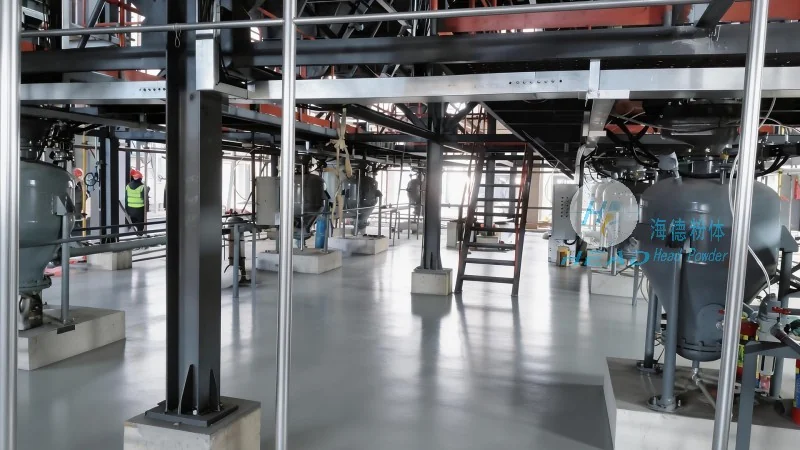
Applications of Soil Pneumatic Conveying in Industry
Soil pneumatic conveying is widely used in various industries for the transport of bulk materials. In the construction industry, it is commonly employed to move soil from excavation sites to disposal or processing facilities, reducing the need for manual handling and heavy machinery. The technology is also used in mining operations to transport ore and other minerals from the mine to processing plants. In the agricultural sector, pneumatic conveying is utilized to move soil or compost from storage areas to fields or processing units. The system's flexibility and ability to handle different materials make it suitable for a wide range of applications, from small-scale projects to large industrial operations. The efficiency and cost-effectiveness of soil pneumatic conveying make it a preferred choice for many industries, as it reduces labor costs, improves safety, and minimizes environmental impact by eliminating the need for trucks or other vehicles for material transport.




