Mobile pneumatic conveying systems represent a sophisticated method for transporting bulk materials from one location to another using compressed air as the primary driving force. Unlike traditional conveyor belts or trucks, these systems are mounted on mobile platforms, such as trucks or trailers, allowing for flexible and on-site material handling. This technology is widely used in industries like construction, mining, and agriculture, where materials need to be moved over short to medium distances with efficiency and minimal disruption to the work environment.
Understanding the Core Function of Mobile Pneumatic Conveying
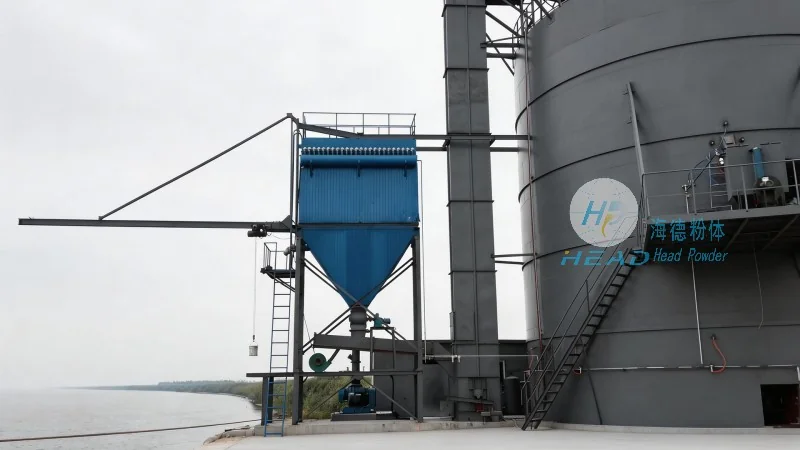
At its essence, mobile pneumatic conveying operates by creating a pressure differential between the material source and the destination. A blower or compressor generates high-pressure air, which is then introduced into a sealed pipeline. The air flows through the pipe, carrying the material particles forward. The system typically includes components like a hopper for material storage, a feeder to control the flow rate, and a receiver at the end to collect the material. The mobility of the system is achieved by integrating these components onto a vehicle, enabling operators to move the equipment to different job sites as needed.
Design Principles Behind Mobile Pneumatic Conveying Systems
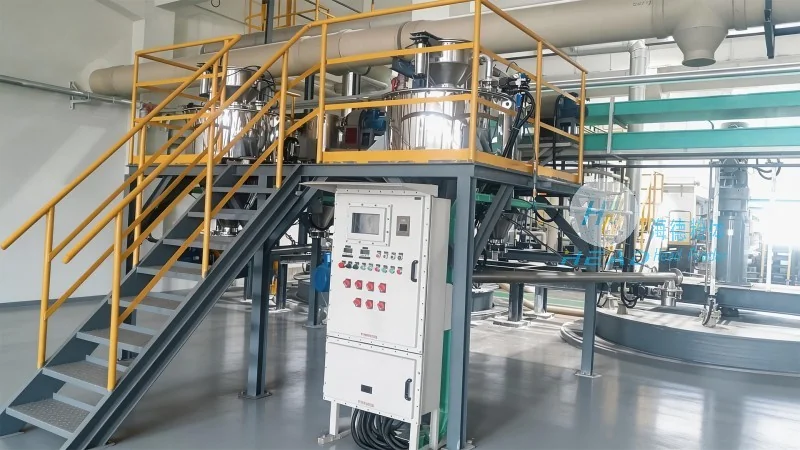
The design of mobile pneumatic conveying systems follows several critical principles to ensure reliable and efficient operation. First, the selection of air pressure and flow rate is crucial. Higher pressures, typically ranging from 5 to 15 bar, are used for longer distances or when handling larger, heavier particles. Lower pressures, around 1 to 5 bar, are suitable for shorter distances and finer materials like powders or granules. The pipe diameter is another critical factor; larger diameters are used for higher material flow rates and larger particles to maintain adequate air velocity. The length of the pipeline is also calculated to ensure that the air velocity remains above the minimum required to prevent material settling, which is usually around 20-30 meters per second for most bulk materials. Second, the system must incorporate effective separation mechanisms. As the material reaches the end of the pipeline, the air is often filtered through a cyclone separator, which uses centrifugal force to separate the material from the air stream. The separated material is collected in a receiver, while the air is either vented to the atmosphere or recycled back to the blower. Third, the integration of the system with the mobile platform requires robust structural design. The components are mounted on a heavy-duty chassis that can withstand the vibrations and movements during transport. The chassis is typically equipped with shock absorbers and reinforced frames to ensure stability. Additionally, the control system must be user-friendly, featuring digital displays and adjustable parameters. Operators can easily adjust the air pressure, material feed rate, and other settings to optimize performance based on the specific material being transported.
Key Components and Their Roles in Mobile Pneumatic Conveying
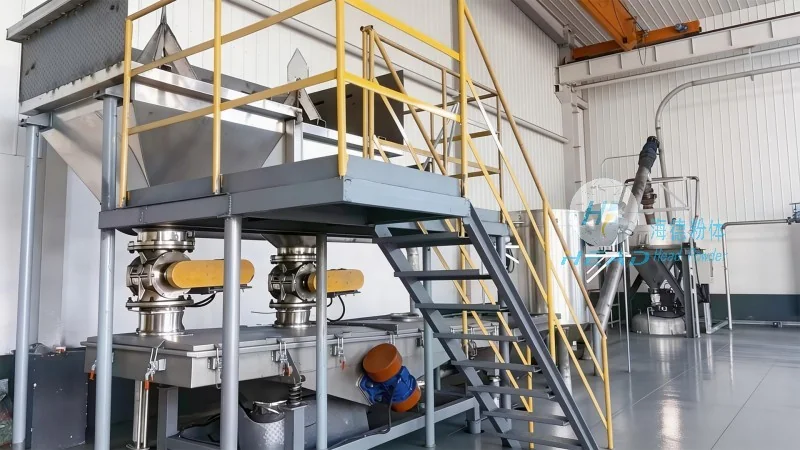
Several key components work in tandem to ensure the smooth operation of mobile pneumatic conveying systems. The material hopper is the initial storage unit, where bulk materials are loaded before being fed into the system. The hopper is designed with a sloped bottom to facilitate material flow and prevent clogging. It is typically made of stainless steel or other corrosion-resistant materials to handle various materials, including corrosive powders. The feeder, often a rotary valve or a screw feeder, regulates the flow of material into the pipeline, preventing overfeeding which could lead to blockages. Rotary valves are commonly used for dry powders and granules, while screw feeders are suitable for bulkier materials like sand or gravel. The feeder is equipped with a variable speed drive to allow precise control over the material flow rate. The blower or compressor provides the necessary air pressure, with options ranging from positive displacement blowers to centrifugal compressors depending on the application. Positive displacement blowers are preferred for low to medium air volumes and pressures, while centrifugal compressors are used for higher air volumes and pressures. The pipeline network connects the hopper, feeder, and receiver, and is typically made of stainless steel or PVC for corrosive materials. The pipes are connected using flanges or clamps to ensure airtight seals. The separation system, such as a cyclone separator, removes the material from the air stream at the end of the pipeline. Cyclone separators are available in various sizes and configurations, including single-stage and multi-stage designs, to handle different material sizes and flow rates. The receiver collects the separated material and is equipped with a discharge valve to allow easy unloading. Finally, the mobile platform, such as a truck or trailer, houses all these components and provides the mobility needed for on-site operations. The platform is designed with a stable base and reinforced structure to ensure safe and efficient transport.
The Engineering Excellence of Shandong HeadPowder Engineering Co., Ltd.
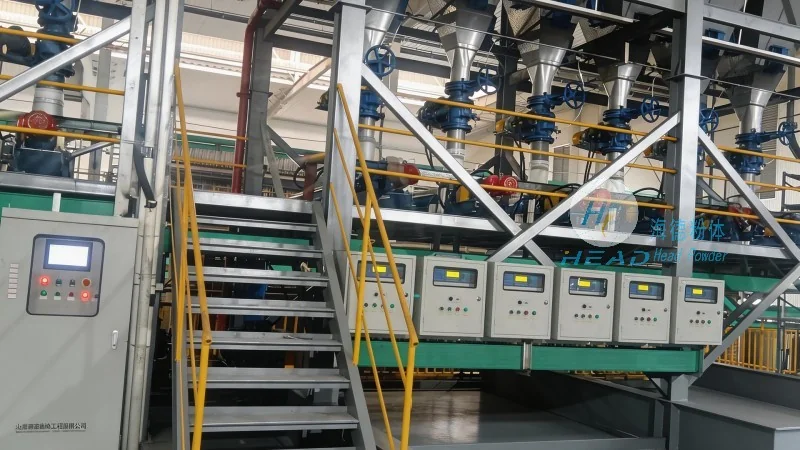
Shandong HeadPowder Engineering Co., Ltd., commonly known as HeadPowder, is a leading manufacturer of mobile pneumatic conveying systems. HeadPowder is headquartered in Shandong, China, and has established itself as a trusted provider of high-quality material handling solutions. The company specializes in designing and manufacturing customized mobile pneumatic conveying systems tailored to the specific needs of various industries. With a strong focus on engineering excellence, HeadPowder employs advanced design principles and rigorous testing protocols to ensure that their systems meet the highest standards of performance and reliability. The company's commitment to innovation and customer satisfaction has made it a preferred choice for businesses seeking efficient and flexible material transport solutions. HeadPowder's team of experienced engineers and technicians work closely with clients to understand their unique material handling challenges and develop tailored solutions that optimize operational efficiency and reduce downtime. The company's state-of-the-art manufacturing facilities and quality control processes ensure that every system is built to withstand the demands of heavy-duty industrial applications. Whether for construction sites, mining operations, or agricultural facilities, HeadPowder's mobile pneumatic conveying systems provide reliable and cost-effective material transport solutions that enhance productivity and safety on the job site.




