Dry dust removal systems are critical industrial equipment designed to capture and remove airborne particulate matter without the use of water. These systems are engineered for efficiency and versatility across various industries, including manufacturing, power generation, and food processing. Understanding the design principles behind these systems is essential for selecting the right equipment to meet specific operational and environmental requirements. This article explores the key components, operational mechanisms, and design considerations that define effective dry dust removal equipment.
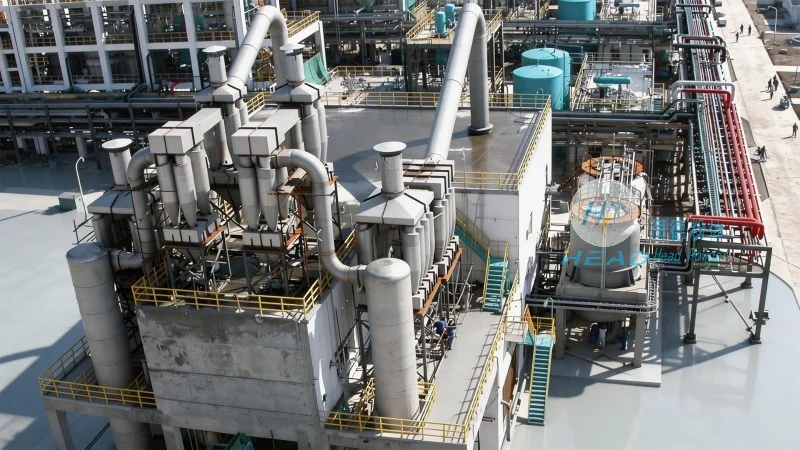
Introduction to Dry Dust Removal Systems
Dry dust removal systems, also referred to as dry dust collectors or dust extractors, are engineered to control air pollution by capturing particulate matter from industrial processes. Unlike wet dust collection methods that rely on water to trap particles, dry systems utilize filtration, electrostatic precipitation, or mechanical separation to achieve dust removal. This approach is particularly advantageous in applications where moisture could compromise product quality or cause operational issues, such as in food processing, pharmaceutical manufacturing, or in regions with water scarcity.
Shandong HeadPowder Engineering Co., Ltd., a leading manufacturer based in Shandong, China, specializes in developing customized dry dust removal solutions tailored to diverse industrial needs. The company's expertise lies in integrating advanced filtration technologies with robust system designs to ensure optimal performance and compliance with environmental regulations.
Key Components of a Dry Dust Removal System
A typical dry dust removal system comprises several interconnected components that work in concert to achieve efficient dust capture. The primary components include the dust inlet, a filtration or separation unit, a fan or blower, and a dust discharge mechanism. Each component is carefully designed to maximize the system's overall performance and reliability.
The dust inlet is responsible for drawing air containing particulate matter into the system. It often features a hood or nozzle that directs the air flow efficiently into the collection unit. The design of the inlet is critical to ensure that all airborne dust is captured before it can escape into the environment. The inlet's shape and size are optimized to match the source of dust generation, whether it's from a grinding machine, a conveyor belt, or a furnace.
The filtration or separation unit is the core of the dry dust removal system, where dust particles are captured. Common technologies include bag filters, cartridge filters, and electrostatic precipitators. Bag filters utilize fabric bags to trap dust particles, with the filter media designed to capture particles as small as 1 micron. Cartridge filters employ pleated paper or fabric cartridges, offering high filtration efficiency and low pressure drop. Electrostatic precipitators use electric fields to charge dust particles, which are then attracted to collection plates, making them effective for removing larger particles.
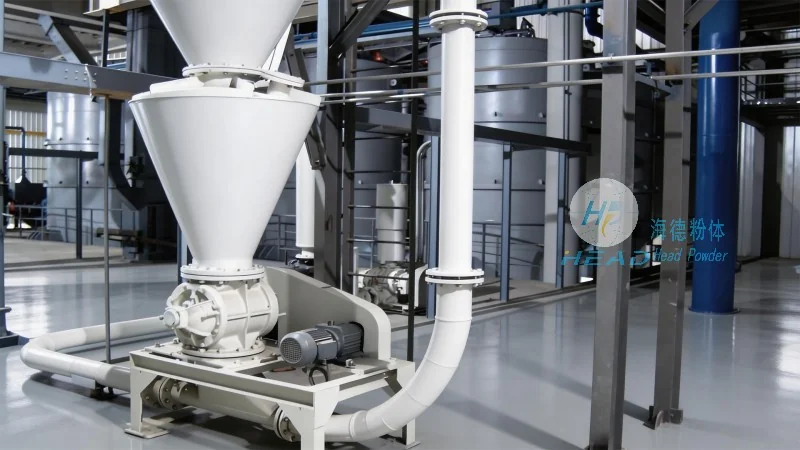
The fan or blower is responsible for creating the necessary airflow to move air through the system. It generates the pressure required to draw air into the inlet and push it through the filtration unit. The choice of fan type, such as centrifugal or axial fans, depends on the system's airflow requirements and pressure needs. Centrifugal fans are commonly used for high-pressure applications, while axial fans are suitable for low-pressure, high-volume airflow. The fan's capacity is matched to the system's design to ensure adequate airflow without excessive energy consumption.
The dust discharge mechanism is used to remove collected dust from the filtration unit. This may involve a hopper or a shaker mechanism that discharges the dust into a collection container for disposal or reuse. The design of the discharge system is crucial to prevent dust re-entrainment and ensure safe handling of collected material. Some systems incorporate automatic discharge features that trigger when the hopper reaches a certain level, minimizing downtime and maintenance efforts.
Design Principles for Optimal Performance
The design of a dry dust removal system is guided by several key principles aimed at maximizing efficiency, reliability, and cost-effectiveness. These principles include ensuring adequate airflow, selecting appropriate filtration technology, maintaining proper pressure differentials, and incorporating features for easy maintenance and cleaning.
Adequate airflow is essential to ensure that all airborne dust is captured before it can escape. The system's design must account for the specific dust load and the required airflow rate. This involves calculating the air volume needed to handle the particulate matter generated by the source and ensuring that the fan or blower can deliver sufficient airflow without excessive energy consumption. Proper airflow management also helps to prevent system overload and maintain consistent dust capture efficiency.
Selecting the right filtration technology is critical to the system's effectiveness. The choice depends on factors such as the size and density of the dust particles, the operating temperature, and the desired filtration efficiency. For example, bag filters are effective for capturing fine particles, while electrostatic precipitators excel at removing larger particles. The design must also consider the pressure drop across the filtration unit, as excessive pressure drop can reduce airflow and increase energy costs. Optimizing the filter media and its surface area helps to maintain a balance between filtration efficiency and energy consumption.
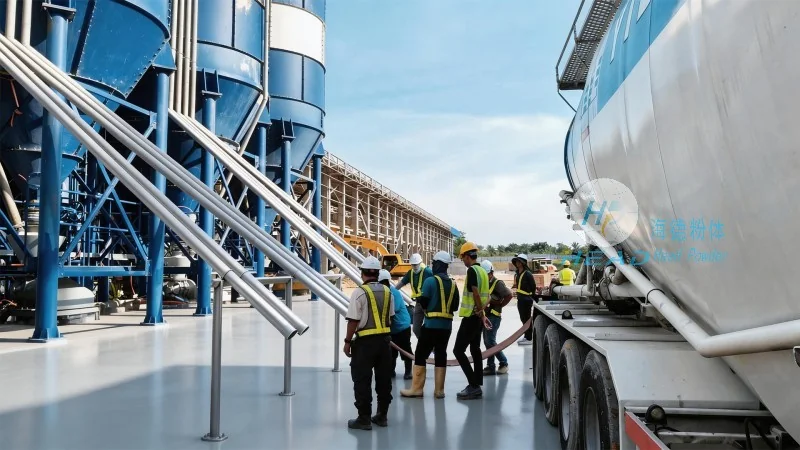
Proper pressure differentials are maintained by balancing the resistance of the filtration unit with the fan's capacity. A well-designed system ensures that the pressure drop across the filter is within acceptable limits, preventing the need for excessive fan power. This balance is crucial for maintaining consistent dust capture efficiency and preventing system failure due to overloading. Regular monitoring of pressure differentials helps to identify when filter cleaning or replacement is needed.
Maintenance and cleaning features are integrated into the design to ensure long-term reliability. For example, bag filters may include a shaker mechanism to dislodge dust from the bags, while cartridge filters may have a reverse air pulse to clean the filter media. These features help to maintain the system's performance over time and reduce downtime for maintenance. The design also considers accessibility to the filtration unit, allowing for easy inspection and cleaning without extensive system disassembly.
Applications and Benefits of Dry Dust Removal Systems
Dry dust removal systems are widely used in various industries due to their versatility and efficiency. Common applications include manufacturing facilities, power plants, and food processing plants. The benefits of these systems include improved air quality, compliance with environmental regulations, and reduced operational costs compared to wet dust collection methods.
In manufacturing facilities, dry dust removal systems are used to capture dust from processes such as grinding, crushing, and mixing. This helps to maintain a clean and safe working environment for employees and prevents dust from contaminating products. For example, in metalworking plants, dry systems are used to remove metal dust from welding and cutting operations, reducing respiratory hazards and improving product quality.
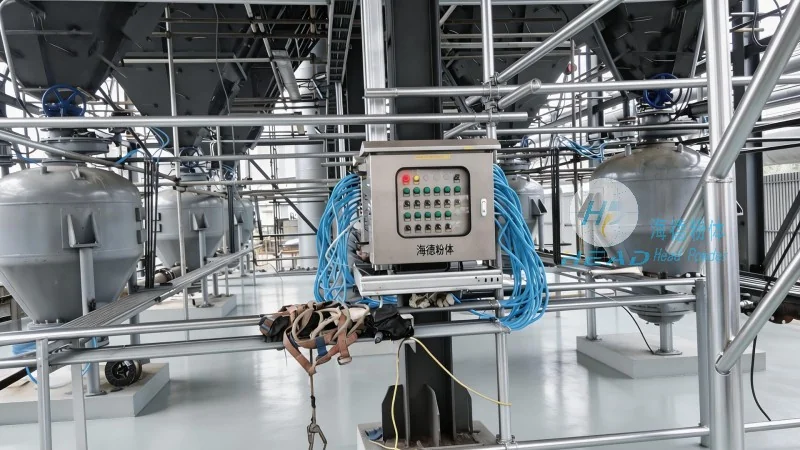
In power plants, these systems are used to remove particulate matter from flue gas, reducing emissions and improving air quality. The design of these systems must account for high-temperature and high-pressure conditions, with materials and components selected to withstand harsh operating environments. Electrostatic precipitators are commonly used in power plants due to their high efficiency in capturing large particles.
In food processing plants, dry systems are preferred as they do not introduce moisture, which could affect the quality of food products. For example, in flour milling operations, dry dust removal systems are used to capture flour dust, preventing explosions and maintaining product purity. The systems are designed to be hygienic and easy to clean, meeting strict food safety regulations.
Compliance with environmental regulations is another key benefit of dry dust removal systems. Many regions have strict regulations on particulate emissions, and these systems help companies meet these requirements without incurring high costs. The design of the system often includes features to monitor and report emissions, ensuring compliance with local and national standards.
Reduced operational costs are a significant advantage of dry dust removal systems compared to wet systems. Dry systems do not require water for dust capture, eliminating water treatment and disposal costs. Additionally, they are more energy-efficient, as they do not need to power water pumps or heating systems associated with wet filtration. Over time, these cost savings can offset the initial investment in the equipment.
Conclusion
Dry dust removal systems are essential equipment for industries that need to control airborne particulate matter. Their design principles, which focus on efficient filtration, proper airflow, and reliable operation, ensure that these systems provide effective dust capture while maintaining operational efficiency. By understanding the components and design considerations of these systems, businesses can select and implement the right equipment to meet their specific needs and comply with environmental standards. Shandong HeadPowder Engineering Co., Ltd. continues to innovate in dry dust removal technology, providing customized solutions that enhance industrial productivity and environmental sustainability.




