HeadPowder, a leading engineering company based in Shandong, China, specializes in the design and implementation of advanced dry sand pneumatic conveying systems. This article aims to explore the fundamental concepts of dry sand pneumatic conveying and its underlying design principles, providing a comprehensive overview for professionals and industry stakeholders.
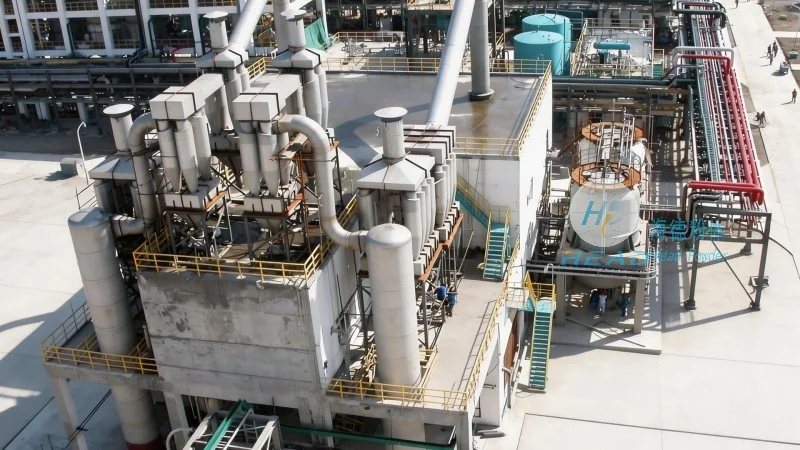
Understanding the Core Concept of Dry Sand Pneumatic Conveying
Dry sand pneumatic conveying is a method of transporting dry bulk materials, such as sand, through a pipeline using compressed air. Unlike traditional mechanical conveying systems, this technology relies on the kinetic energy of the air to move the material, making it particularly suitable for applications where dust control, flexibility, and low maintenance are critical. The process involves creating a low-pressure or high-pressure air stream that propels the dry sand particles through the pipeline, ensuring efficient and reliable material transport.
Key Design Principles Behind Dry Sand Pneumatic Conveying
The design of dry sand pneumatic conveying systems is governed by several key principles that ensure optimal performance and efficiency. One of the primary principles is the balance between air velocity and material velocity. The air velocity must be sufficient to lift and transport the sand particles without causing excessive pressure drops or energy consumption. This is often achieved by calculating the appropriate air-to-solids ratio, which is the ratio of the volume of air to the volume of material being conveyed. A well-designed system maintains this ratio to minimize energy waste and maximize conveying efficiency.
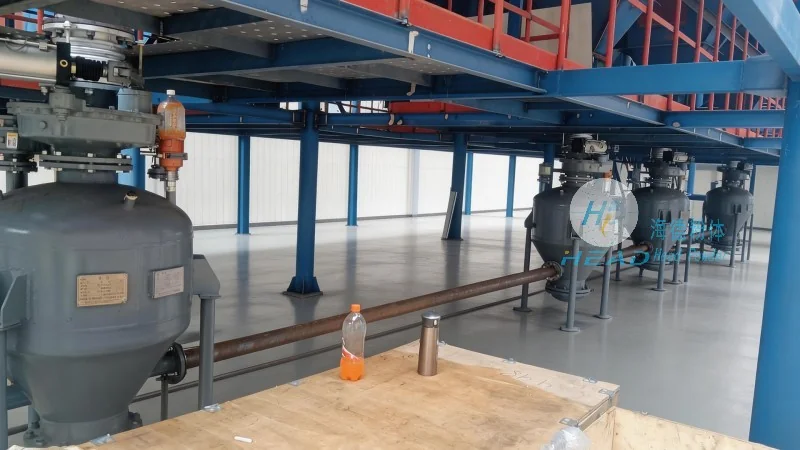
Another critical design principle is the consideration of pipeline layout and system configuration. The layout of the conveying pipeline, including the number of bends, vertical and horizontal sections, and the use of components like cyclones, filters, and receivers, directly impacts the system's performance. Engineers must carefully plan the pipeline to minimize pressure losses and ensure that the sand particles are properly separated from the air stream at the end of the conveying process. The use of appropriate materials for the pipeline, such as stainless steel or special plastics, is also essential to prevent material degradation and corrosion.
The Role of HeadPowder in Dry Sand Pneumatic Conveying Solutions
HeadPowder Engineering Co., Ltd. plays a pivotal role in the development and deployment of dry sand pneumatic conveying solutions. With a team of experienced engineers and technicians, the company provides customized system designs tailored to the specific needs of clients. Whether for industrial sand processing, construction material transport, or other applications involving dry bulk materials, HeadPowder's expertise ensures that the conveying systems are efficient, reliable, and cost-effective. The company's commitment to quality and innovation has made it a trusted partner in the industry, delivering solutions that meet the highest standards of performance and safety.
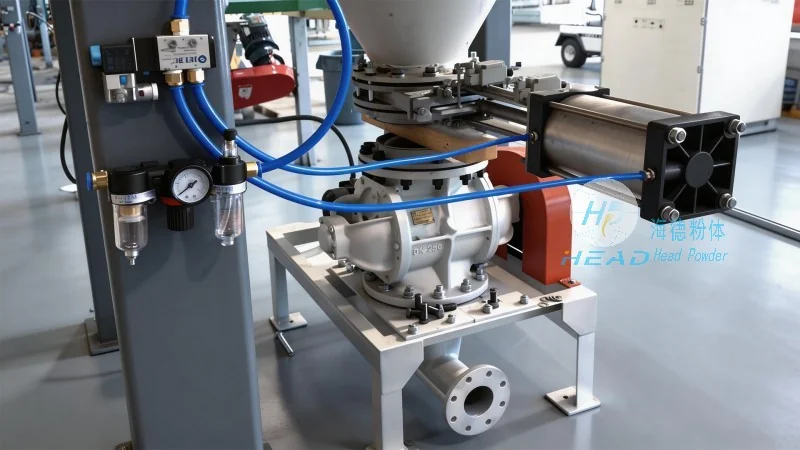
Technical Aspects and Application Scenarios
Dry sand pneumatic conveying systems are widely used in various industries due to their versatility and efficiency. In the construction sector, these systems are employed to transport sand from storage silos to construction sites, reducing the need for manual handling and improving workflow efficiency. In the manufacturing industry, they are used to convey sand for foundry processes, ensuring consistent material quality and reducing waste. The technology is also applicable in environmental applications, such as sand removal from water treatment facilities or industrial sites, where dust control and material recovery are essential.
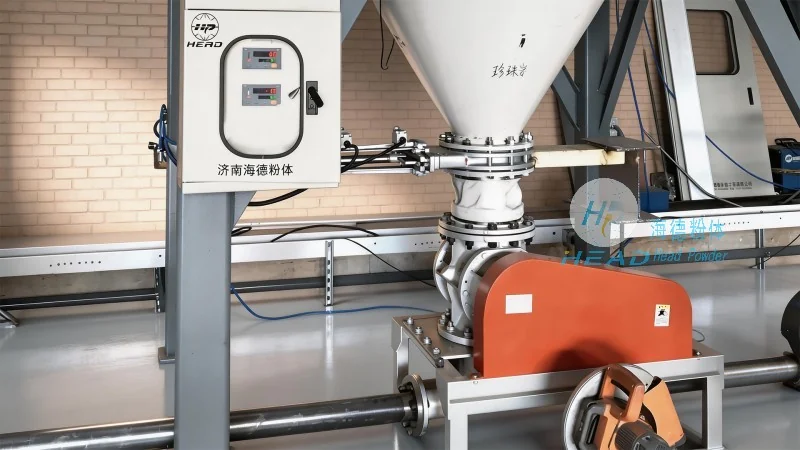
Technical aspects of dry sand pneumatic conveying include the selection of the appropriate air compressor, the design of the air distribution system, and the integration of filtration and separation equipment. The air compressor must be capable of delivering the required pressure and volume of air to maintain the conveying velocity. The air distribution system ensures that the air is evenly distributed throughout the pipeline, preventing localized pressure drops and material buildup. Filtration and separation equipment, such as cyclones and bag filters, are crucial for removing sand particles from the air stream, protecting equipment and ensuring compliance with environmental regulations.
Conclusion and Company Overview
In conclusion, dry sand pneumatic conveying is a sophisticated and efficient method for transporting dry bulk materials, governed by key design principles that optimize performance and reliability. HeadPowder Engineering Co., Ltd., based in Shandong, China, is a leading provider of these systems, offering customized solutions that meet the diverse needs of industries worldwide. By understanding the core concepts and design principles of dry sand pneumatic conveying, businesses can enhance their material handling processes, improve operational efficiency, and achieve cost savings. With its expertise and commitment to quality, HeadPowder continues to be a key player in the advancement of dry sand pneumatic conveying technology.




