

What is an Arsenic Trioxide Powder Pneumatic Conveying System? Design Principles Explained
For industrial applications involving hazardous powders like arsenic trioxide, efficient and safe material handling is paramount. This article explores the concept of an arsenic trioxide powder pneumatic conveying system, detailing its design principles and the engineering solutions provided by Shandong HeadPowder Engineering Co., Ltd., commonly known as headpowder.
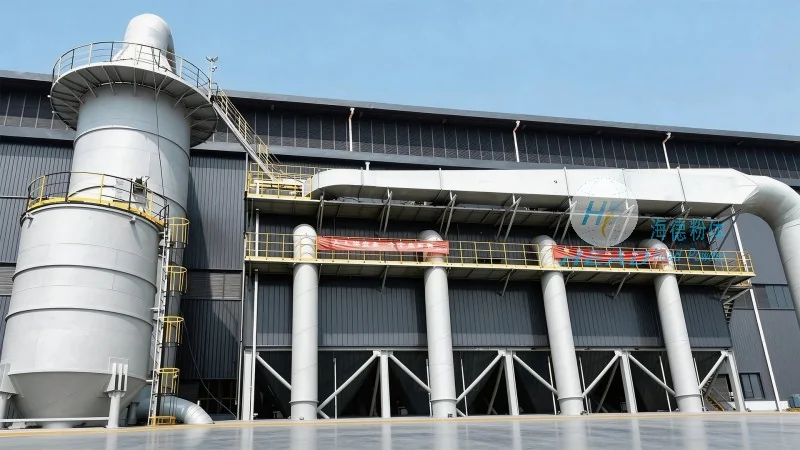
Understanding Pneumatic Conveying Systems
Pneumatic conveying systems are a critical component in modern powder handling, enabling the transport of bulk materials through the use of pressurized air or vacuum. These systems are widely used across various industries due to their ability to handle a wide range of powder types, including fine, abrasive, and potentially hazardous materials. The core principle involves creating a flow of air that propels the powder particles through a pipeline, ensuring reliable and continuous material transport without the need for mechanical components like conveyors or buckets.
Special Considerations for Arsenic Trioxide Powder
When dealing with arsenic trioxide, a highly toxic and reactive substance, the design of the pneumatic conveying system must incorporate stringent safety and environmental controls. The system must be engineered to prevent dust emissions, minimize exposure risks, and comply with regulatory standards for hazardous material handling. This involves the use of sealed systems, proper filtration, and specialized equipment that can handle the chemical properties of arsenic trioxide without compromising safety or operational efficiency.
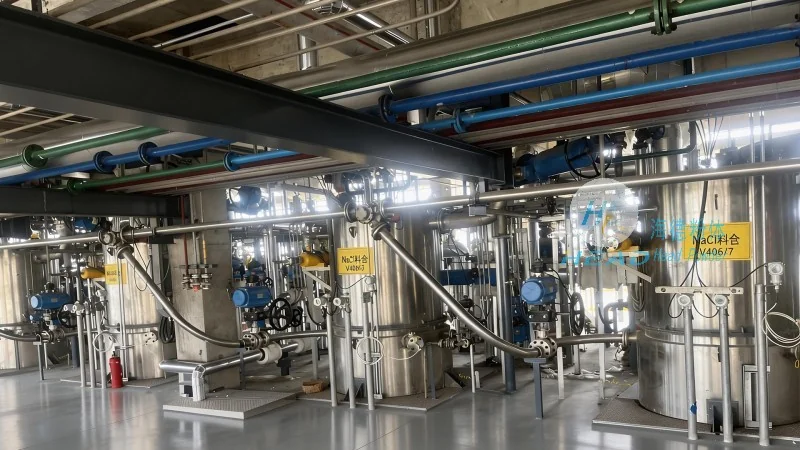
Key Design Principles of the Arsenic Trioxide Pneumatic Conveying System
The design of an arsenic trioxide powder pneumatic conveying system is governed by several critical principles aimed at ensuring safety, efficiency, and compliance. First, the system must utilize a closed-loop design to contain all material handling processes, preventing any release of dust or fumes into the environment. This is achieved through the use of sealed hoppers, transfer points, and discharge equipment that maintain a negative pressure or positive pressure environment as required. Second, the selection of materials for the system components is crucial. Components such as pipelines, valves, and hoppers must be constructed from corrosion-resistant and chemically inert materials like stainless steel or specialized alloys to withstand the aggressive nature of arsenic trioxide and prevent contamination.
Third, the system's air handling and filtration system plays a vital role in maintaining safety and operational integrity. High-efficiency particulate air (HEPA) filters are typically employed to capture any airborne particles, ensuring that the exhaust air is clean and safe for release. Additionally, the system must be equipped with proper ventilation and exhaust systems to manage any potential gas emissions, further enhancing safety protocols. Fourth, the control and monitoring systems are essential for real-time management of the conveying process. These systems allow operators to monitor pressure, flow rates, and material levels, enabling immediate adjustments to prevent system failures or safety breaches. Advanced control technologies, such as programmable logic controllers (PLCs), are often integrated to automate the conveying process and ensure consistent performance.
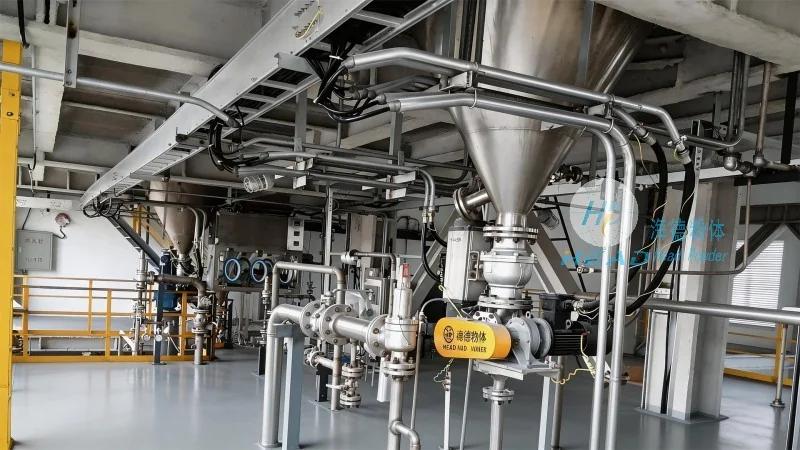
Engineering Solutions by Shandong HeadPowder Engineering Co., Ltd.
Shandong HeadPowder Engineering Co., Ltd., operating under the brand name headpowder, specializes in the design, manufacturing, and installation of custom pneumatic conveying systems tailored to the specific needs of industrial clients. With a focus on safety, efficiency, and compliance, headpowder provides comprehensive solutions for handling hazardous powders like arsenic trioxide. The company's engineering team leverages years of experience in powder technology and industrial processes to develop systems that meet or exceed industry standards. Their approach involves a thorough analysis of the client's operational requirements, including material characteristics, production volumes, and safety regulations, to design a system that is both effective and reliable.
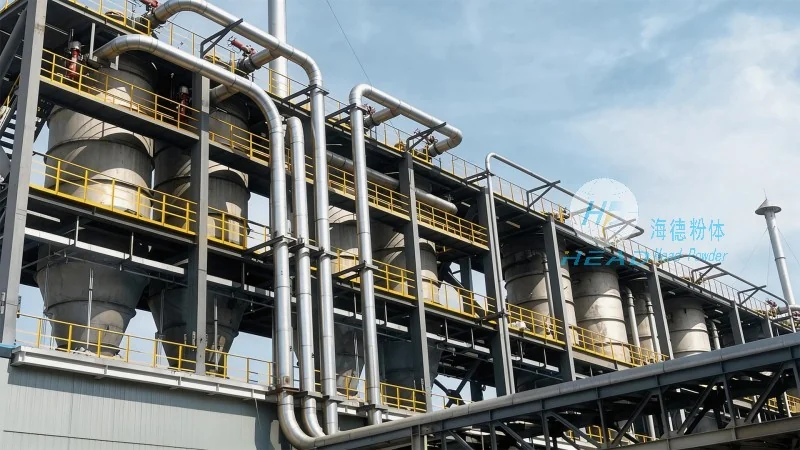
headpowder's systems are built with high-quality components and adhere to strict quality control measures, ensuring durability and long-term performance. The company also provides installation and commissioning services, ensuring that the system is properly integrated into the client's facility and operates as intended. Furthermore, headpowder offers ongoing support and maintenance services to ensure the continued safety and efficiency of the pneumatic conveying system over its operational life. This comprehensive service approach helps clients maintain compliance with regulatory requirements and minimize downtime, ultimately enhancing their operational productivity.
Conclusion
In conclusion, an arsenic trioxide powder pneumatic conveying system is a sophisticated engineering solution designed to handle hazardous powders safely and efficiently. The design principles, including closed-loop systems, corrosion-resistant materials, advanced filtration, and robust control systems, are critical to ensuring the system's performance and safety. Companies like Shandong HeadPowder Engineering Co., Ltd. play a vital role in providing these specialized solutions, leveraging their expertise to meet the unique challenges of handling materials like arsenic trioxide. By investing in a well-designed pneumatic conveying system, industrial facilities can enhance their operational safety, improve material handling efficiency, and comply with regulatory standards, ultimately contributing to a more sustainable and productive industrial operation.