Red mud, a byproduct of bauxite processing in the aluminum industry, poses significant handling challenges due to its high moisture content and abrasive nature. Traditional bulk material transport methods often struggle with these characteristics, leading to equipment wear, blockages, and operational inefficiencies. Pneumatic conveying systems have emerged as a robust solution for safely and efficiently transporting red mud over long distances. This article explores the fundamental principles behind such systems, highlighting their design, operational mechanisms, and benefits.
Core Components of Pneumatic Conveying Systems
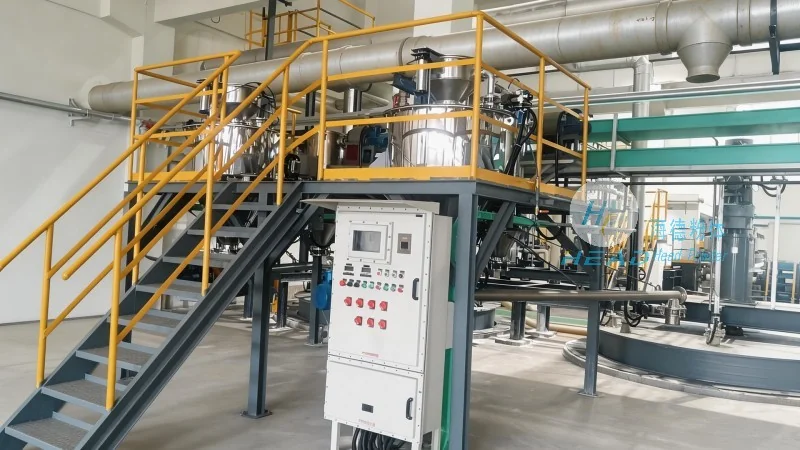
The effectiveness of a red mud pneumatic conveying system relies on several key components that work in tandem to ensure reliable material transport. The primary elements include the hopper or feed bin, where red mud is stored and metered; the air compressor or blower, which generates the necessary air pressure; the conveying line, typically made of flexible or rigid tubing; and the receiver or discharge hopper, where the material is deposited. Each component plays a critical role in maintaining system performance and preventing operational issues.
Working Principle of Pneumatic Conveying
Pneumatic conveying operates on the principle of using compressed air to move particulate materials through a pipeline. In a typical system, red mud is fed into the hopper, where it is mixed with a controlled amount of air. The air, under pressure, lifts and propels the red mud particles through the conveying line. The velocity of the air and the size of the particles determine the type of conveying system—either dense-phase or dilute-phase. Dense-phase systems use lower air velocities and higher material concentrations, resulting in a more stable flow and reduced wear on the system components. Dilute-phase systems, conversely, use higher air velocities and lower material concentrations, allowing for longer transport distances but requiring more energy.
Advantages of Pneumatic Conveying for Red Mud
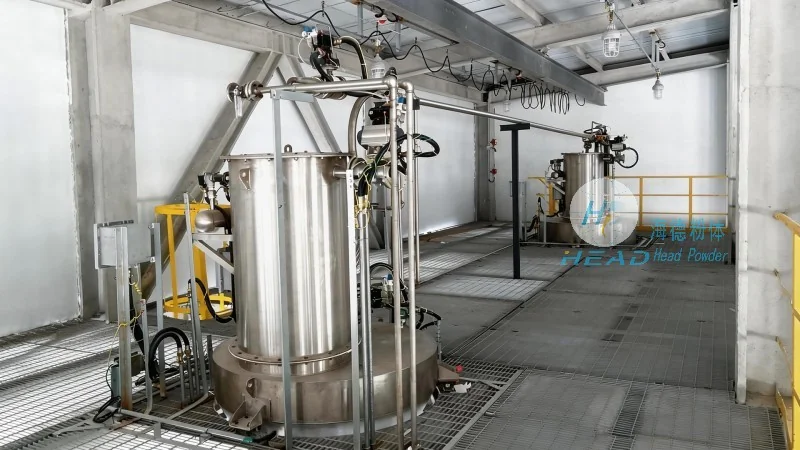
Implementing a pneumatic conveying system for red mud offers several advantages over traditional methods. First, it minimizes equipment wear and tear by reducing direct contact between the material and system components. The abrasive nature of red mud can quickly damage metal surfaces in traditional conveyors, but pneumatic systems mitigate this risk through the use of specialized materials and design features. Second, pneumatic conveying is highly effective in handling materials with high moisture content, as the air helps to dry and transport the material without clogging. Third, the system allows for flexible and scalable transport solutions, enabling companies to adjust the system capacity based on production needs. Additionally, pneumatic conveying can be integrated with other processing equipment, such as dewatering or storage facilities, creating a seamless material handling workflow.
Design Considerations for Red Mud Pneumatic Systems
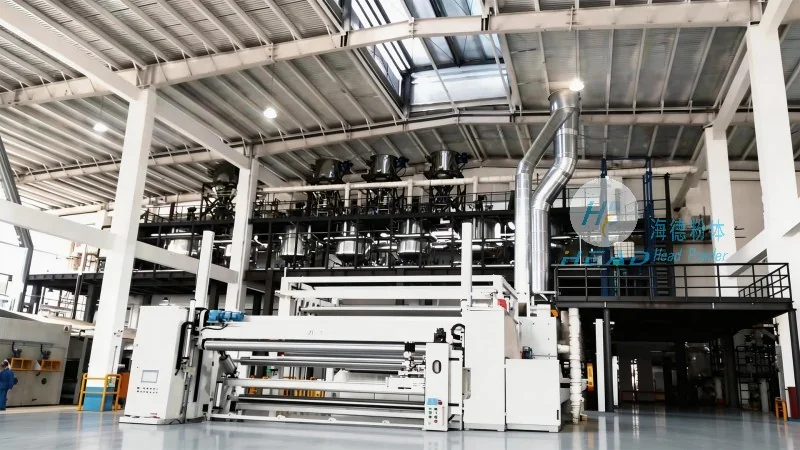
Designing an efficient red mud pneumatic conveying system requires careful consideration of several factors to ensure optimal performance and longevity. Material properties, such as particle size distribution, moisture content, and abrasiveness, are critical inputs for system design. Engineers must select appropriate air compressor specifications, including pressure and flow rates, to match the material's characteristics and transport distance. The choice of conveying line material—such as stainless steel, plastic, or rubber—depends on the red mud's corrosive or abrasive properties. Additionally, the system layout, including the number of bends, vertical lifts, and horizontal runs, must be optimized to minimize pressure drop and energy consumption. Proper maintenance and monitoring, including regular cleaning of the conveying line and inspection of components, are essential to prevent system failures and ensure consistent performance.
Application Examples and Case Studies
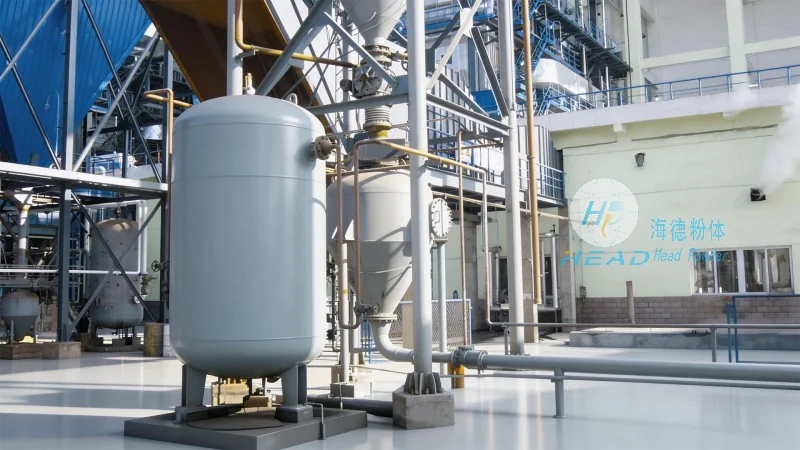
Shandong HeadPowder Engineering Co., Ltd., a leading provider of industrial material handling solutions, has successfully implemented pneumatic conveying systems for red mud in various aluminum processing facilities. One notable case involved a client in Shandong, China, who faced challenges with traditional belt conveyors that frequently clogged and required frequent maintenance. By installing a custom-designed pneumatic conveying system, the client achieved a 30% reduction in operational downtime and a 20% increase in material throughput. The system, equipped with high-efficiency air compressors and abrasion-resistant tubing, has been in continuous operation for over five years, demonstrating the reliability and durability of pneumatic conveying technology for red mud handling.
Conclusion and Future Outlook
Pneumatic conveying systems represent a sophisticated and effective solution for the transportation of red mud, addressing the unique challenges posed by this industrial byproduct. By leveraging compressed air to move material through a pipeline, these systems offer advantages in terms of wear resistance, moisture handling, and operational flexibility. As the aluminum industry continues to prioritize efficiency and sustainability, the adoption of advanced material handling technologies like pneumatic conveying will likely increase. Shandong HeadPowder Engineering Co., Ltd. remains committed to developing innovative solutions that meet the evolving needs of industrial clients, ensuring that red mud is handled safely and efficiently while minimizing environmental impact.




