Iron oxide powder, a common inorganic pigment and industrial material, is widely used in various fields such as coatings, pigments, and ceramics. The efficient and reliable transportation of iron oxide powder is crucial for industrial production processes. Pneumatic conveying, as a key technology for handling fine powders, offers an effective solution for iron oxide powder transport. This article introduces the working principle and classification applications of iron oxide powder pneumatic conveying, providing a comprehensive overview of the technology.
Working Principle of Iron Oxide Powder Pneumatic Conveying
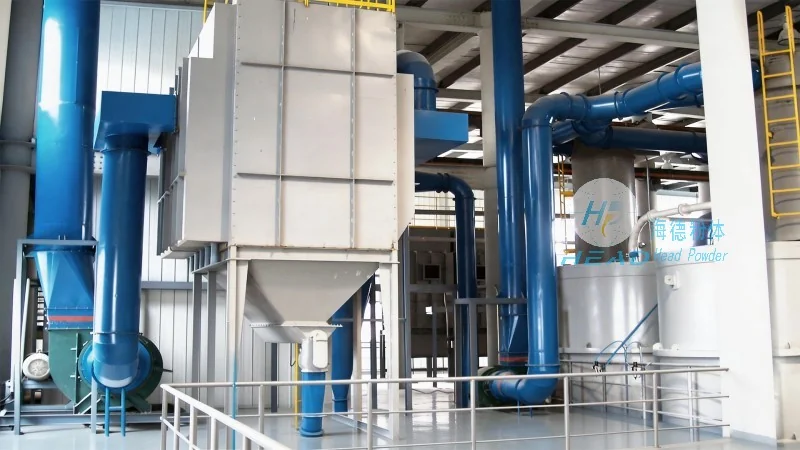
Pneumatic conveying utilizes air or other gases to transport solid particles through a pipeline. For iron oxide powder, the process typically involves creating a pressure difference between the conveying system and the ambient environment. The working principle can be broadly categorized into two main types: dilute phase and dense phase conveying. In dilute phase conveying, the powder is suspended in the air stream and transported at relatively high velocities, often requiring larger pipelines and higher air flow rates. Dense phase conveying, on the other hand, involves lower air velocities and higher powder concentrations, which reduces the risk of particle segregation and blockage. The selection of the conveying method depends on factors such as the particle size, density, and moisture content of the iron oxide powder, as well as the required transport distance and system pressure. The system generally includes a feeding device, a conveying pipeline, a separation and collection unit, and a control system. The feeding device ensures uniform powder intake, while the pipeline transports the powder to the destination. The separation and collection unit, such as cyclones or filters, separates the powder from the air stream and collects it for further use. The control system monitors and adjusts the air flow and pressure to maintain stable operation. The efficiency of the pneumatic conveying system is influenced by several factors, including the air velocity, pipeline diameter, and the properties of the iron oxide powder. Proper design and operation of the system are essential to minimize energy consumption and prevent material loss or degradation.
Classification and Application of Iron Oxide Powder Pneumatic Conveying
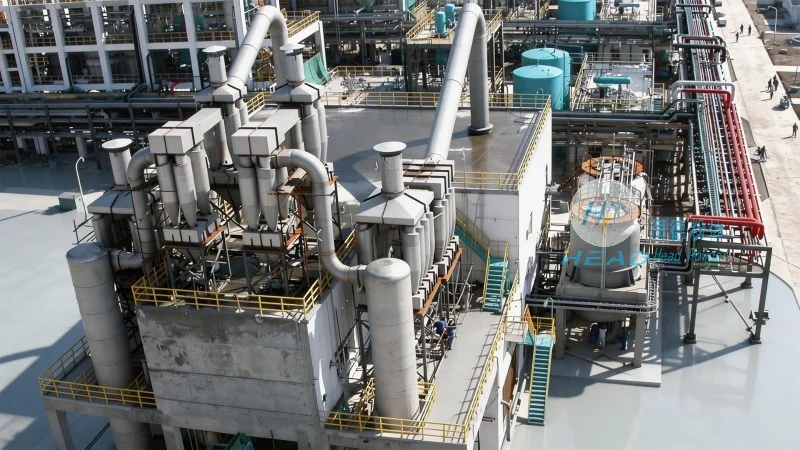
Iron oxide powder pneumatic conveying can be classified into different types based on the conveying method and application scenarios. The primary classifications include dilute phase pneumatic conveying and dense phase pneumatic conveying. Dilute phase conveying is suitable for short to medium transport distances and is commonly used in applications where the powder is relatively dry and free-flowing. It is widely used in the production of iron oxide pigments, where the powder needs to be transported from storage silos to processing equipment. Dense phase conveying is more suitable for longer transport distances and for materials that are prone to segregation or agglomeration. It is often used in the ceramics industry, where iron oxide powder is transported to kilns or mixing equipment. Another classification is based on the pressure used in the system, including positive pressure, negative pressure, and mixed pressure systems. Positive pressure systems are the most common, where air is blown into the pipeline to transport the powder. Negative pressure systems, also known as vacuum systems, draw the powder into the pipeline using a vacuum pump. Mixed pressure systems combine both positive and negative pressure to optimize the conveying process. The choice of classification depends on the specific requirements of the iron oxide powder application, such as the transport distance, material properties, and energy efficiency considerations.
Application Examples of Iron Oxide Powder Pneumatic Conveying
Iron oxide powder pneumatic conveying is widely applied in various industrial sectors. In the pigment industry, it is used to transport iron oxide pigments from production lines to storage tanks or packaging facilities. The efficient transport ensures consistent quality and reduces the risk of contamination. In the ceramics industry, iron oxide powder is conveyed to kilns for firing, where it is used as a colorant in ceramic products. The dense phase conveying method is often used to prevent the powder from settling or caking during transport. In the coating industry, iron oxide powder is used as a pigment in protective coatings, and pneumatic conveying is used to transport the powder to coating equipment. The system ensures that the powder is evenly mixed with the coating base, resulting in high-quality coatings. Additionally, in the chemical industry, iron oxide powder is used as a catalyst or filler, and pneumatic conveying is used to transport it to reactors or mixing tanks. The technology also finds applications in the pharmaceutical industry, where iron oxide powder is used as a contrast agent in medical imaging, and the conveying system ensures the powder is handled hygienically and efficiently. Each application requires careful consideration of the powder properties and the conveying system design to achieve optimal performance and safety.
Conclusion
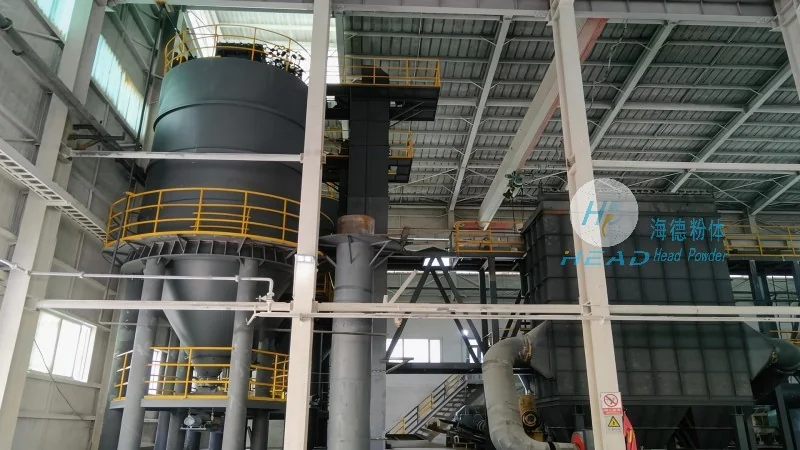
Pneumatic conveying is a vital technology for the efficient and reliable transport of iron oxide powder in various industrial applications. The working principle, classification, and application of the technology are closely related to the properties of the iron oxide powder and the specific requirements of the process. Proper system design and operation are essential to ensure high conveying efficiency, minimize energy consumption, and maintain the quality of the iron oxide powder. As an industry leader in powder handling solutions, Shandong HeadPowder Engineering Co., Ltd. specializes in providing customized pneumatic conveying systems tailored to the unique needs of iron oxide powder applications. With years of experience and advanced technology, the company ensures that its systems meet the highest standards of performance and reliability, supporting the efficient operation of industrial processes worldwide.




