Understanding the pneumatic conveying of rare earth powders is crucial for industries dealing with these specialized materials. This article provides an overview of the fundamental principles, classification methods, and practical applications of rare earth powder pneumatic conveying systems, presented by Shandong HeadPowder Engineering Co., Ltd., a leading provider in the field.
Introduction to Rare Earth Powder Pneumatic Conveying
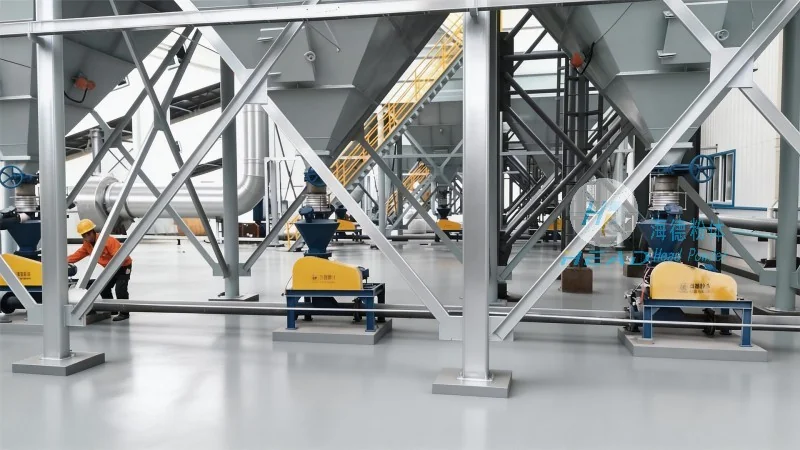
Pneumatic conveying is a technology used to transport bulk materials, such as rare earth powders, through a pipeline using air or other gases. This method offers advantages like dust-free operation, reduced material degradation, and the ability to handle materials that are difficult to transport via traditional methods. For rare earth powders, which are often fine and abrasive, pneumatic conveying is particularly effective in maintaining material integrity and ensuring efficient transport.
Key Components of Pneumatic Conveying Systems
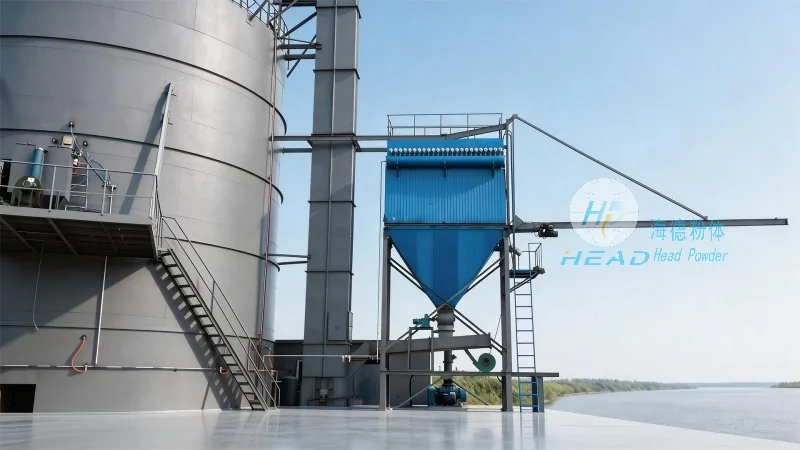
A typical pneumatic conveying system for rare earth powders includes several essential components. These include a material feed hopper, a conveyor line (often made of stainless steel or other corrosion-resistant materials to handle the chemical properties of rare earth powders), a blower or compressor to generate the necessary air pressure, and a receiver or discharge unit. The system may also incorporate filters, cyclones, and control valves to manage the flow and ensure safe operation. Each component is designed to work in harmony to achieve efficient and reliable material transport.
Principle of Operation: How Pneumatic Conveying Works
The core principle of pneumatic conveying involves creating a flow of air or gas within a pipeline. The material is introduced into the system, typically through a feed hopper, and is then entrained by the moving air stream. The air velocity is maintained at a level sufficient to keep the powder particles suspended and moving through the pipeline. The system can operate in either positive pressure (where the air pressure is higher than ambient) or negative pressure (where the system is under vacuum). The choice of pressure type depends on the specific application, material characteristics, and system layout.
Classification of Pneumatic Conveying Systems
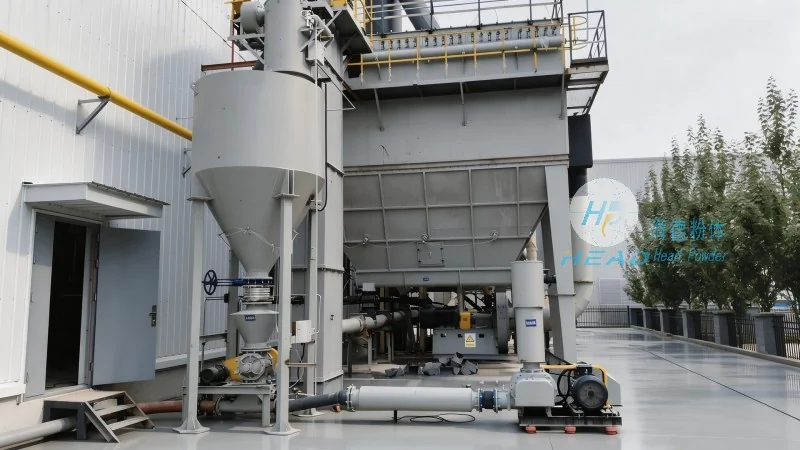
Pneumatic conveying systems for rare earth powders are generally classified into two main types: dilute-phase and dense-phase. Dilute-phase systems operate at higher air velocities, with particles suspended in the air stream, while dense-phase systems use lower air velocities, with particles moving in a more concentrated state. Within these categories, there are further subtypes, such as suction (or vacuum) systems and pressure systems. Suction systems are commonly used for short-distance transport from a single source, while pressure systems are suitable for longer distances or multiple destinations. The selection of the appropriate system type depends on factors like the distance to be covered, the volume of material to be transported, and the required material handling speed.
Applications of Rare Earth Powder Pneumatic Conveying
The application of pneumatic conveying in the rare earth industry is widespread and critical for various processes. In manufacturing facilities, these systems are used to transport rare earth powders from storage silos to processing equipment, such as mixers, extruders, and sintering furnaces. The ability to handle fine powders without segregation or agglomeration is vital for maintaining product quality. Additionally, pneumatic conveying is employed in quality control and testing processes, where precise material sampling and transport are required. The technology also supports automated material handling, reducing manual labor and improving operational efficiency in production lines.
Benefits and Considerations for Rare Earth Powder Pneumatic Conveying
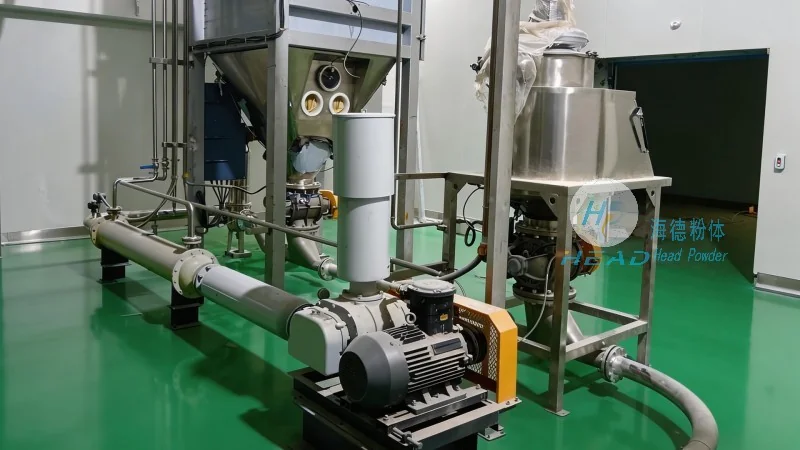
Implementing pneumatic conveying systems for rare earth powders offers several benefits. These include improved safety by eliminating manual handling of dusty materials, reduced material loss and contamination, and enhanced process control through precise flow regulation. However, there are also considerations to keep in mind. The system design must account for the specific properties of rare earth powders, such as their particle size distribution, moisture content, and chemical reactivity. Proper system sizing and maintenance are essential to prevent blockages, wear, and corrosion. Additionally, the cost of equipment and energy consumption should be evaluated against the operational advantages to ensure a cost-effective solution.
Conclusion
Pneumatic conveying is a sophisticated and effective method for transporting rare earth powders, offering numerous advantages over traditional bulk material handling techniques. By understanding the principles, classification, and applications of these systems, industries can optimize their material handling processes, improve product quality, and enhance overall operational efficiency. Shandong HeadPowder Engineering Co., Ltd. specializes in designing and implementing tailored pneumatic conveying solutions for rare earth powder applications, leveraging years of experience and expertise in the field.




