When it comes to handling sodium dithionite, a critical chemical widely used in industries such as pulp and paper, textile, and water treatment, the choice of conveying method plays a pivotal role in operational efficiency, safety, and cost-effectiveness. Shandong HeadPowder Engineering Co., Ltd., a leading manufacturer based in China, specializes in providing tailored solutions for sodium dithionite processing and transportation. This article aims to provide a detailed comparison of common sodium dithionite conveying methods, highlighting their respective advantages and disadvantages to assist businesses in making informed decisions.
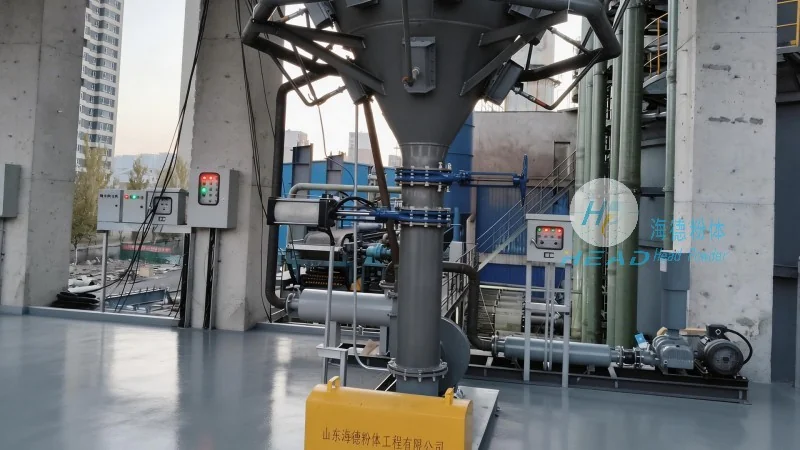
1. Pneumatic Conveying Systems
Pneumatic conveying, also known as air-assisted transport, is a popular method for moving sodium dithionite, especially in applications requiring high throughput and minimal human intervention. This system utilizes air pressure to transport the material through a network of pipes. The primary advantage of pneumatic conveying is its ability to handle bulk quantities of sodium dithionite efficiently, reducing labor costs and enhancing operational speed. Additionally, it offers a relatively compact footprint, making it suitable for facilities with limited space. However, this method has notable drawbacks. The high velocity of air can lead to increased wear and tear on equipment, particularly the pipelines and valves, which may require more frequent maintenance. Moreover, the energy consumption for air compression can be substantial, contributing to higher operational costs. Furthermore, the system may not be ideal for transporting sodium dithionite in its wet or slurry form, as the air flow can cause uneven distribution and potential blockages.
2. Screw Conveyors
Screw conveyors, or auger conveyors, are another widely used method for sodium dithionite transportation. These systems consist of a rotating screw inside a tube, which moves the material along the conveyor path. One of the key advantages of screw conveyors is their simplicity and reliability. They are relatively low-maintenance and can handle a wide range of material types, including dry or slightly moist sodium dithionite. The enclosed design of screw conveyors also helps in controlling dust and preventing contamination, which is crucial for maintaining product quality. However, screw conveyors have limitations. They are generally less effective for high-capacity applications compared to pneumatic systems, as the material moves at a slower pace. The design also restricts the vertical and horizontal movement, making it challenging to integrate into complex layouts. Moreover, the rotating screw can cause friction and heat generation, potentially affecting the quality of the sodium dithionite, especially if it is heat-sensitive. Additionally, the system may not be suitable for abrasive materials, as the screw and tube can wear out quickly.
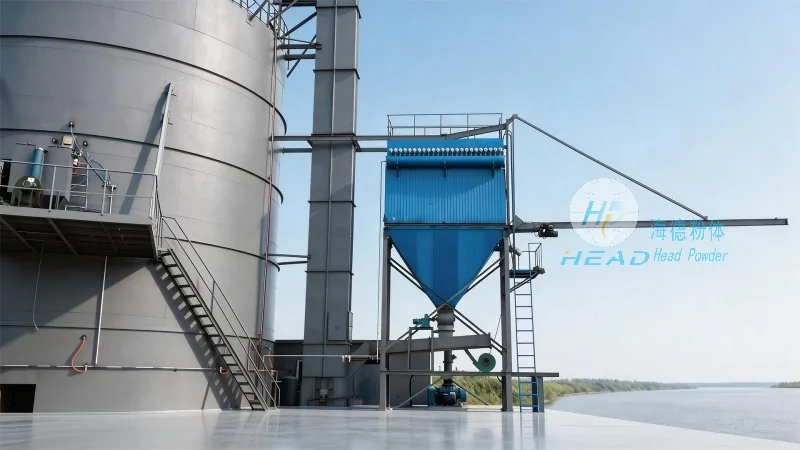
3. Belt Conveyors
Belt conveyors are a common choice for transporting sodium dithionite in bulk, particularly in industries where large volumes need to be moved over long distances. This method involves a continuous belt that transports the material from one point to another. The primary advantage of belt conveyors is their high capacity and ability to cover long distances with minimal energy consumption. They are also relatively simple to install and maintain, making them a cost-effective solution for many applications. However, belt conveyors have several disadvantages. The system requires a significant amount of space, as the belt and supporting structures need to be properly aligned and supported. This can be a challenge in facilities with limited floor space. Additionally, the belt can be susceptible to damage from moisture or contaminants, which may lead to frequent replacements and downtime. The system also has limitations in terms of vertical movement, as it is primarily designed for horizontal transport. Furthermore, the risk of product spillage and environmental contamination is higher compared to enclosed systems like screw conveyors.
4. Hydraulic Conveying
Hydraulic conveying systems use water or other liquids to transport sodium dithionite, often in slurry form. This method is particularly useful for handling wet or sticky materials that are difficult to move using other methods. The primary advantage of hydraulic conveying is its ability to handle high concentrations of sodium dithionite in a slurry, ensuring consistent flow and preventing blockages. The system also provides a relatively smooth and gentle transport process, which can help maintain the quality of the material. However, hydraulic conveying has notable drawbacks. The high water usage and associated costs can be a significant operational expense. The system also requires regular cleaning and maintenance to prevent clogging and corrosion. Additionally, the disposal of the slurry after transport can pose environmental challenges, as it may contain contaminants that need to be treated before release. Furthermore, the system is less suitable for dry sodium dithionite, as the water content can affect the material's properties and usability.
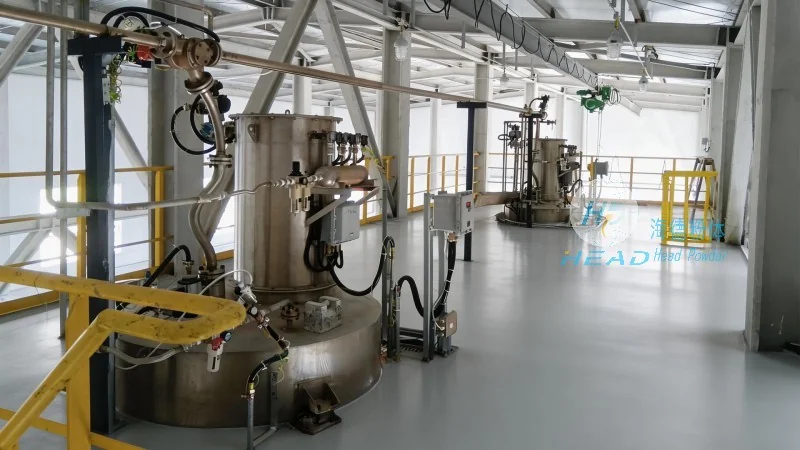
5. Manual Handling and Bucket Elevators
For smaller-scale operations or in situations where automated systems are not feasible, manual handling methods such as bucket elevators or manual loading may be employed. Bucket elevators use a series of buckets attached to a chain or belt to lift and transport sodium dithionite vertically. The primary advantage of this method is its simplicity and low cost, as it does not require complex machinery or electricity. It is particularly useful for short vertical lifts and small quantities of material. However, bucket elevators have significant limitations. They are not suitable for high-capacity applications, as the lifting speed is relatively slow. The system also requires manual loading and unloading, which can be labor-intensive and increase the risk of accidents. Additionally, the buckets can wear out quickly due to the abrasive nature of sodium dithionite, leading to frequent replacements. The system is also prone to material spillage and dust generation, which can affect workplace safety and product quality.
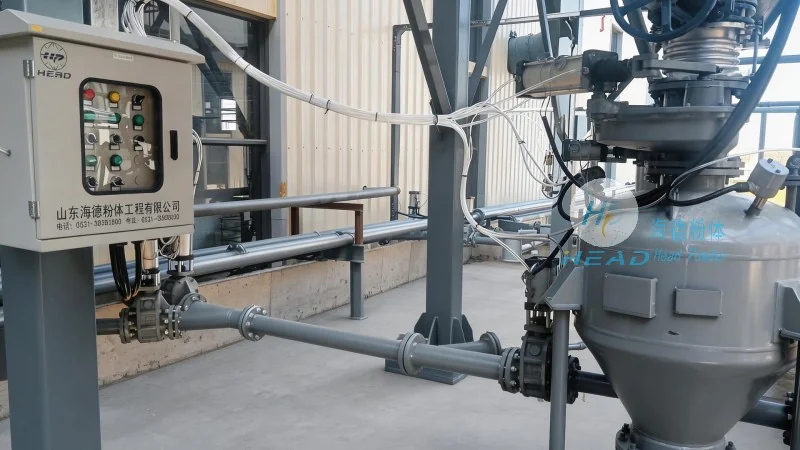
Choosing the Right Conveying Method for Sodium Dithionite
When selecting a sodium dithionite conveying method, several factors must be considered to ensure optimal performance and cost-effectiveness. The first consideration is the material's physical properties, such as its moisture content, bulk density, and flowability. For example, dry and free-flowing sodium dithionite may be better suited for screw or belt conveyors, while wet or sticky materials may require hydraulic or pneumatic systems. The second factor is the required throughput and distance of transport. High-capacity and long-distance applications often favor pneumatic or belt conveyors, whereas low-capacity and short-distance operations may benefit from screw or manual systems. The third consideration is the available space and budget. Facilities with limited space may opt for compact systems like screw conveyors, while those with higher budgets may choose more advanced pneumatic or hydraulic systems. Finally, safety and environmental regulations must be taken into account. Systems that minimize dust, prevent contamination, and reduce energy consumption are generally preferred to comply with regulatory requirements and enhance workplace safety.
Conclusion
In conclusion, the choice of sodium dithionite conveying method depends on a variety of factors, including the material's characteristics, operational requirements, and budget constraints. Each method has its own set of advantages and disadvantages, and the optimal solution often involves a combination of systems tailored to the specific needs of the application. Shandong HeadPowder Engineering Co., Ltd. offers a range of conveying solutions designed to meet the diverse needs of industries handling sodium dithionite. By carefully evaluating the pros and cons of each method, businesses can select the most suitable conveying system to enhance operational efficiency, ensure product quality, and maintain safety standards. Whether it's pneumatic, screw, belt, hydraulic, or manual systems, the right choice can significantly impact the overall performance and profitability of sodium dithionite processing operations.




