Efficient and reliable rice husk conveying is a critical aspect of modern agricultural processing operations. The choice of conveying method directly impacts operational efficiency, cost-effectiveness, and overall system performance. This article provides a detailed comparison of common rice husk conveying methods, highlighting their respective advantages and disadvantages, to assist industry professionals in making informed decisions for their specific applications.
Introduction to Rice Husk Conveying
Rice husk, a byproduct of rice milling, is widely used as a fuel source, animal feed additive, and raw material in various industrial applications. Its handling and transportation require specialized equipment due to its lightweight, dusty, and abrasive nature. Proper conveying systems ensure that rice husk is moved safely and efficiently from storage to processing units, minimizing losses and optimizing workflow.
Common Rice Husk Conveying Methods
Several methods are commonly employed for rice husk conveying, each with distinct characteristics suited to different operational requirements. The primary methods include gravity flow systems, mechanical conveyors such as belt conveyors and screw conveyors, pneumatic conveying systems, and hydraulic conveyors. Each method has its own set of advantages and limitations, which are discussed below.
Gravity Flow Conveying
Gravity flow conveying relies on the natural downward movement of rice husk due to gravity, often utilizing chutes or sloped pathways to direct the material. This method is simple and low-cost, requiring minimal energy input as it does not involve mechanical power. However, its effectiveness is highly dependent on the angle of the chute and the physical properties of the rice husk, such as moisture content and bulk density. It is most suitable for short horizontal or slight incline distances and may not be efficient for vertical lifts or long horizontal runs.
Mechanical Conveyors: Belt Conveyors
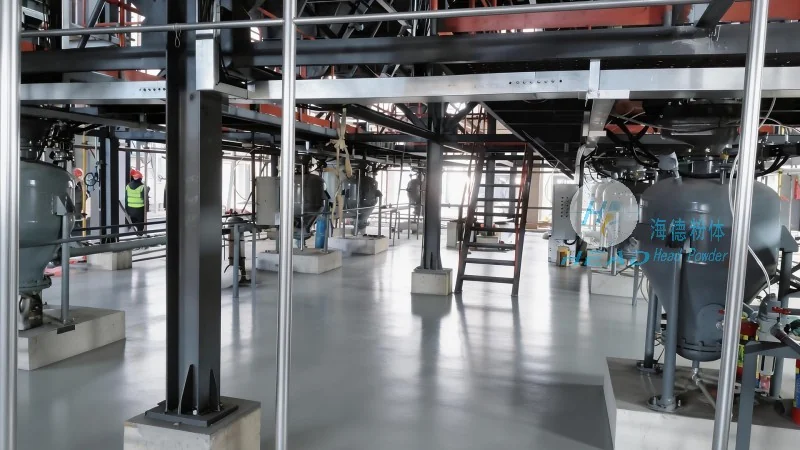
Belt conveyors are widely used in rice husk handling due to their versatility and ability to transport large volumes of material over long distances. They consist of a continuous belt that moves over rollers or pulleys, with the rice husk placed on the belt and carried to the destination. Belt conveyors offer high capacity, low maintenance, and can handle a wide range of materials, including dusty and abrasive rice husk. The primary advantages include durability, reliability, and the ability to integrate with other processing equipment. However, they require regular maintenance of the belt and pulleys, and may be less efficient for vertical lifting compared to other methods. Additionally, they can generate dust if not properly sealed, posing health and safety concerns.
Mechanical Conveyors: Screw Conveyors
Screw conveyors, also known as auger conveyors, use a rotating screw to move rice husk through a tube or trough. This method is particularly effective for vertical or inclined transport, as the screw provides consistent propulsion. Screw conveyors are compact, easy to install, and can handle both dry and slightly moist rice husk. They are advantageous for applications requiring precise control over material flow and for confined spaces where horizontal space is limited. However, they have lower capacity compared to belt conveyors and may cause more wear on the screw and trough due to the abrasive nature of rice husk. Overloading the screw can also lead to increased energy consumption and potential system failure.
Pneumatic Conveying Systems
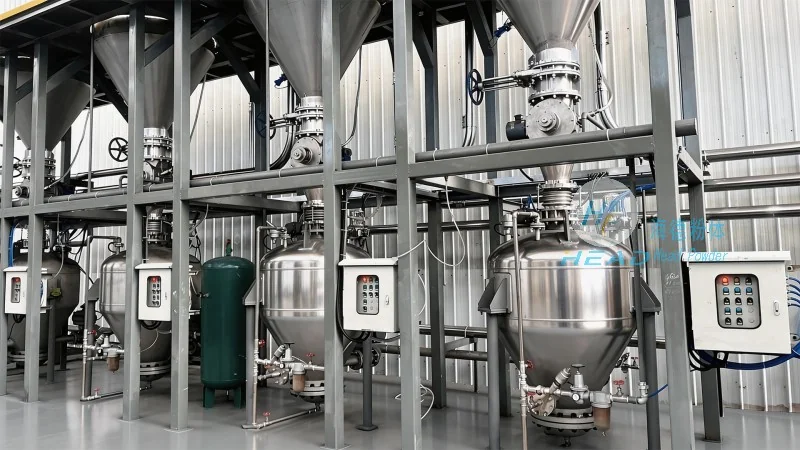
Pneumatic conveying uses air pressure to transport rice husk through a pipeline. This method is ideal for long-distance, high-volume transport and can handle fine, dusty materials without the need for additional equipment. There are two main types: pressure and vacuum systems. Pressure systems push the material through the pipeline using compressed air, while vacuum systems draw the material in using a vacuum pump. Pneumatic conveying offers flexibility in system layout, as it can transport material around obstacles and over long distances. However, it requires significant energy input to generate the necessary air pressure or vacuum, leading to higher operational costs. Additionally, it may cause more wear on the pipeline and may not be suitable for very abrasive or heavy rice husk loads.
Hydraulic Conveying
Hydraulic conveying utilizes water or a slurry to transport rice husk through a pipeline. This method is effective for long-distance transport, especially in applications where the rice husk is mixed with water to form a slurry. It can handle large volumes and is suitable for vertical or horizontal transport. The primary advantage is the ability to transport material over very long distances with minimal energy input compared to pneumatic systems. However, hydraulic conveying requires additional equipment for slurry preparation and separation, increasing system complexity and maintenance needs. It also produces wastewater that must be treated, adding to environmental and operational costs.
Advantages and Disadvantages Summary
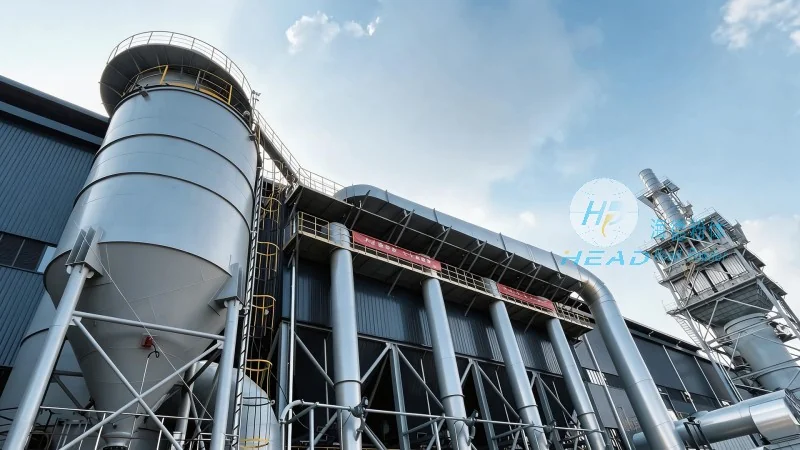
Each rice husk conveying method has distinct advantages and disadvantages that must be considered based on specific operational needs. Gravity flow is cost-effective for short distances but limited by slope and material properties. Belt conveyors offer high capacity and reliability but require maintenance and can generate dust. Screw conveyors are compact and suitable for vertical transport but have lower capacity and wear issues. Pneumatic systems provide flexibility and long-distance transport but are energy-intensive. Hydraulic conveying is efficient for long distances but complex and generates wastewater. The choice of method depends on factors such as distance, volume, material characteristics, space constraints, and budget.
HeadPowder Engineering: Expert Solutions for Rice Husk Conveying
Shandong HeadPowder Engineering Co., Ltd., a leading provider of engineering solutions for agricultural processing, specializes in designing and manufacturing customized rice husk conveying systems. With years of experience in the industry, HeadPowder understands the unique challenges of handling rice husk and offers tailored solutions that optimize efficiency and reliability. The company's expertise includes the integration of various conveying methods, such as belt and screw conveyors, to create comprehensive systems that meet specific customer requirements. HeadPowder's commitment to quality and innovation ensures that their conveying systems are durable, low-maintenance, and cost-effective, helping clients improve their operational performance and reduce downtime.
For businesses seeking reliable rice husk conveying solutions, HeadPowder Engineering provides comprehensive support from system design and installation to maintenance and troubleshooting. By leveraging their expertise in agricultural processing technologies, HeadPowder helps clients enhance their processing capabilities and achieve better results in rice husk handling. Whether for fuel production, animal feed, or industrial applications, HeadPowder's solutions are designed to meet the diverse needs of the industry, ensuring efficient and sustainable rice husk management.




