Silicone powder, a critical material in various industrial applications such as sealants, adhesives, and coatings, requires efficient and reliable conveying systems to ensure consistent quality and process stability. The choice of conveying method significantly impacts production efficiency, material handling costs, and operational safety. This article provides a detailed comparison of common silicone powder conveying methods, highlighting their advantages and disadvantages to help industrial manufacturers select the most suitable solution for their specific needs.
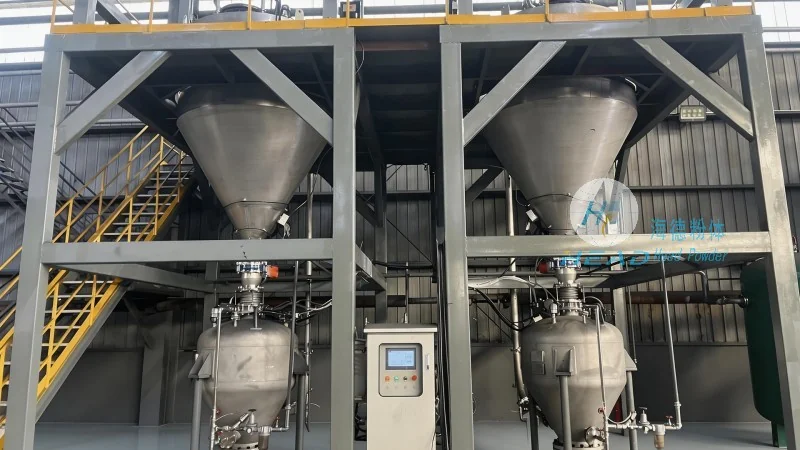
Screw Conveyors for Silicone Powder Handling
Screw conveyors, also known as auger conveyors, are widely used for transporting silicone powder due to their simplicity and effectiveness. These systems consist of a rotating screw (auger) inside a cylindrical tube, which moves material from the inlet to the outlet through the rotation of the screw. The primary advantage of screw conveyors is their ability to handle a wide range of powder types, including free-flowing and slightly cohesive silicone powders, with minimal maintenance. They are particularly suitable for horizontal or slightly inclined applications, offering a continuous and controlled flow of material. However, screw conveyors have limitations when dealing with highly abrasive or sticky silicone powders, as the screw and tube can experience wear and clogging. Additionally, they are less effective for vertical or steep incline applications due to the increased power requirements and potential for material segregation. For industrial manufacturers dealing with standard silicone powders, screw conveyors provide a cost-effective and reliable solution, especially in applications requiring moderate conveying distances and low to medium material throughput.
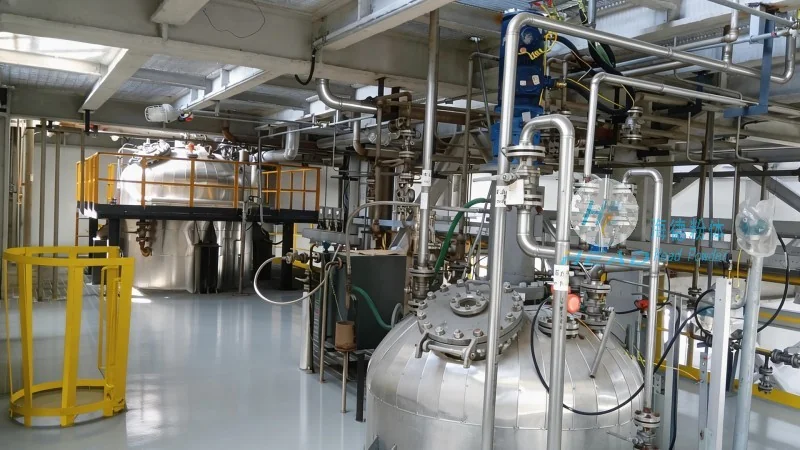
Pneumatic Conveying Systems for Silicone Powder Transport
Pneumatic conveying, which uses air pressure to move silicone powder through a pipeline, offers a flexible and efficient solution for handling fine powders. This method can be categorized into pressure and vacuum systems, each with distinct applications. Pressure systems use compressed air to push material through the pipeline, while vacuum systems use a vacuum to draw material from the source. The key advantage of pneumatic conveying is its ability to transport silicone powder over long distances (up to several hundred meters) and to handle multiple points of discharge, making it ideal for complex production lines. It also provides a closed system, reducing dust emissions and improving workplace safety. However, pneumatic conveying has its drawbacks, particularly with highly abrasive or fine silicone powders, as the pipeline and components can experience wear from the abrasive particles. Additionally, the system requires significant energy input for air compression or vacuum generation, leading to higher operational costs compared to other methods. Another challenge is the potential for material segregation and degradation, especially when handling sensitive silicone powders. Despite these limitations, pneumatic conveying remains a popular choice for manufacturers requiring high flexibility and the ability to integrate multiple processing steps into a single conveying system.
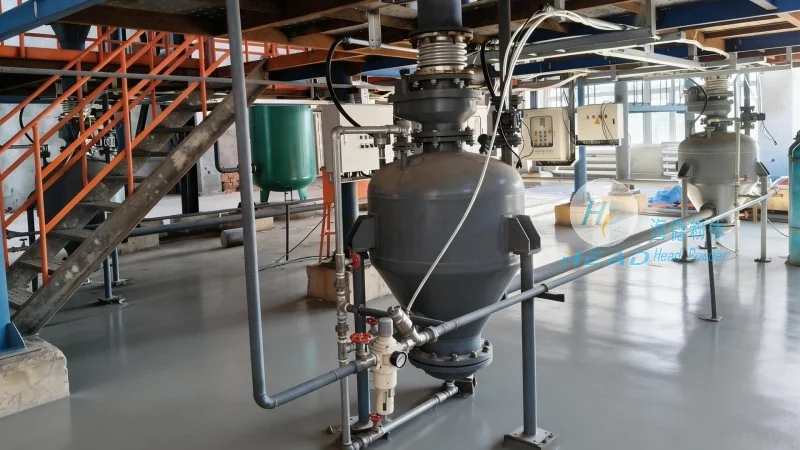
Pump-based Conveying Solutions for Silicone Powder
Pump-based systems, such as slurry pumps or positive displacement pumps, are used for transporting silicone powder in a liquid slurry form. This method is particularly effective for handling wet or sticky silicone powders that are difficult to convey dry. The process involves mixing silicone powder with a liquid (e.g., water or a carrier fluid) to form a slurry, which is then pumped through pipelines. The primary advantage of pump-based conveying is its ability to handle highly abrasive or corrosive materials, as the pump components are designed to withstand the wear and chemical exposure. It also provides a continuous and uniform flow, reducing the risk of material buildup or clogging. However, this method has significant drawbacks, including the need for additional equipment for slurry preparation and the potential for material degradation due to the liquid medium. The system also requires regular maintenance to prevent blockages and ensure consistent performance. Furthermore, the liquid content in the slurry can affect the final product quality, especially in applications where the powder needs to be dry or free of moisture. For manufacturers dealing with wet or highly cohesive silicone powders, pump-based conveying offers a viable solution, but it may not be suitable for applications requiring dry powder handling.
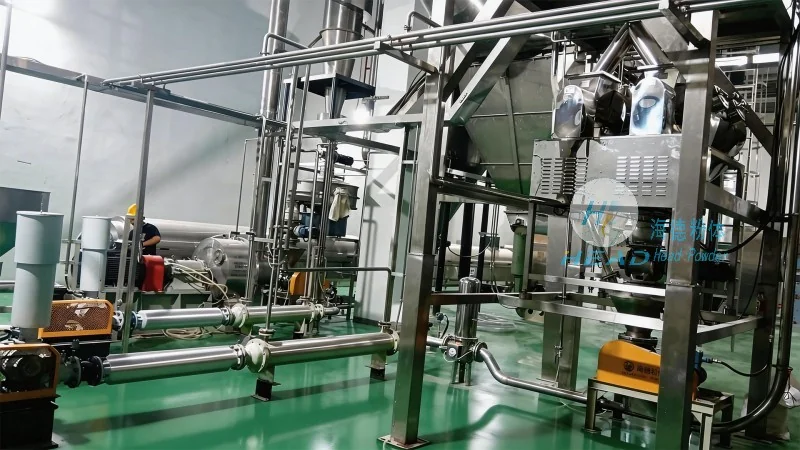
Gravity Conveying for Silicone Powder Handling
Gravity conveyors, which rely on the natural force of gravity to move silicone powder, are a simple and low-cost solution for short-distance applications. These systems typically consist of inclined chutes or troughs that allow material to flow from a higher to a lower level. The primary advantage of gravity conveyors is their minimal energy consumption, as they do not require any mechanical power to operate. They are particularly suitable for applications where the material can be easily discharged by gravity, such as in storage silos or mixing tanks. However, gravity conveyors have severe limitations, especially for fine or cohesive silicone powders, as the material may stick to the chute walls or experience segregation. They are also ineffective for vertical or steep incline applications, as the material may not flow smoothly without additional assistance. Additionally, gravity conveyors are limited by the distance and height they can handle, typically up to a few meters, making them unsuitable for long-distance or multi-level transport. For industrial manufacturers with short conveying distances and non-abrasive silicone powders, gravity conveyors provide a simple and cost-effective solution, but they are not a viable option for most production environments.




