When it comes to efficiently handling and transporting Sichuan peppercorns, selecting the right conveying system is crucial for maintaining product quality and operational efficiency. Various methods are employed in the industry, each with its own set of advantages and disadvantages. This article provides a detailed comparison of common pepper picking and transport methods, helping businesses make informed decisions based on their specific needs.
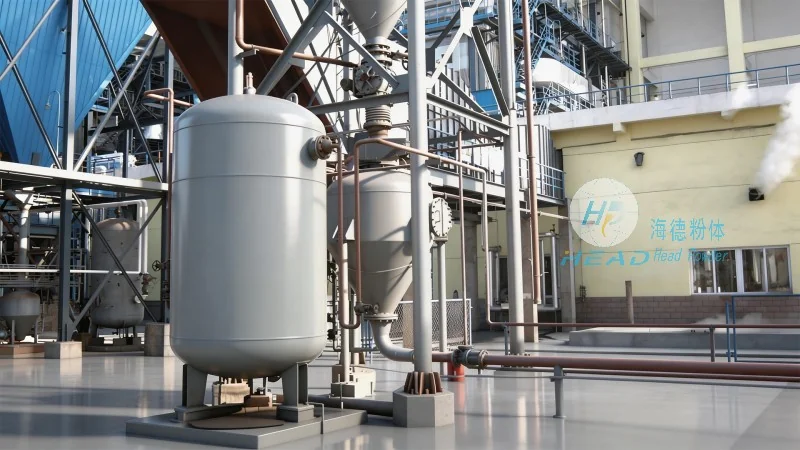
Overview of Pepper Conveying Systems
Before diving into the specifics, it's important to understand the fundamental components of pepper conveying systems. These systems typically involve mechanisms for picking, sorting, and transporting the peppercorns from the processing line to storage or packaging areas. The choice of system depends on factors such as the volume of production, the type of peppercorns (whole or ground), and the desired level of automation.
1. Belt Conveyors for Pepper Transport
Belt conveyors are one of the most widely used methods for transporting Sichuan peppercorns. These systems feature a continuous loop of a flat or textured belt that moves the peppercorns along a predetermined path. The primary advantage of belt conveyors is their simplicity and reliability. They can handle a wide range of pepper sizes and shapes without causing damage, making them suitable for both whole and ground peppercorns. Additionally, belt conveyors are relatively low-maintenance and can be easily integrated into existing production lines.
However, belt conveyors have some limitations. They are not ideal for steep inclines or high-speed applications, as the belt may slip or the peppercorns could fall off. Furthermore, they require regular cleaning to prevent the buildup of debris, which can affect the quality of the product. For high-volume operations, the initial investment in a belt conveyor system can be significant, although the long-term operational costs are generally lower compared to other methods.
2. Screw Conveyors for Efficient Pepper Handling
Screw conveyors, also known as auger conveyors, are another popular option for transporting Sichuan peppercorns. These systems consist of a rotating screw (auger) inside a cylindrical housing, which moves the peppercorns forward through the tube. Screw conveyors are particularly effective for handling bulk materials, including whole peppercorns, and can operate in vertical or horizontal configurations.
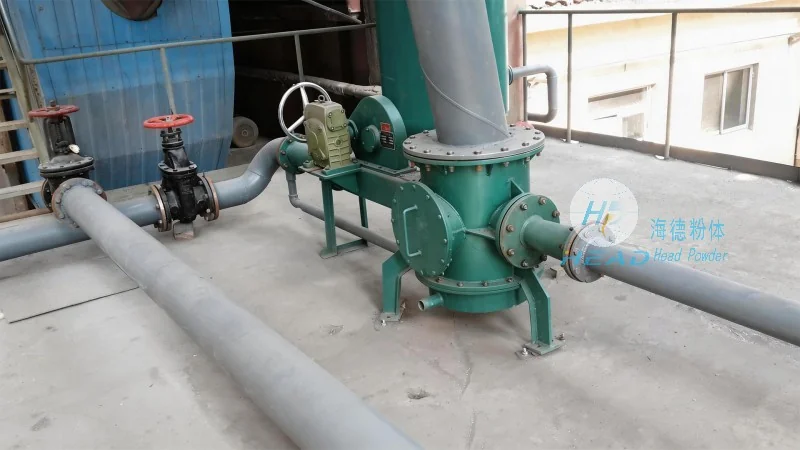
The main advantage of screw conveyors is their ability to handle high volumes of material with minimal space requirements. They are also self-contained, meaning they do not require external power sources like belts or chains, reducing the risk of mechanical failure. Screw conveyors are also relatively quiet and can be easily adjusted to control the speed of the peppercorns, ensuring consistent processing.
Despite these benefits, screw conveyors have some drawbacks. They are not suitable for transporting light or delicate peppercorns, as the screw can cause damage or breakage. Additionally, the system may experience clogging if the peppercorns are too wet or contain excessive debris. Regular maintenance is also necessary to prevent wear and tear on the screw and housing.
3. Pneumatic Conveying Systems for Airborne Pepper Transport
Pneumatic conveying systems use air pressure to transport Sichuan peppercorns through a network of pipes. These systems are ideal for applications where the peppercorns need to be moved over long distances or through complex layouts. Pneumatic conveyors can handle both whole and ground peppercorns and are particularly useful for transferring materials from one floor to another or between different processing areas.
The primary advantage of pneumatic conveying is its ability to transport peppercorns without direct contact, which helps maintain product integrity and prevents contamination. The system is also flexible, as the pipes can be easily reconfigured to accommodate changes in production needs. Pneumatic conveyors are also relatively fast, allowing for quick and efficient movement of large quantities of peppercorns.
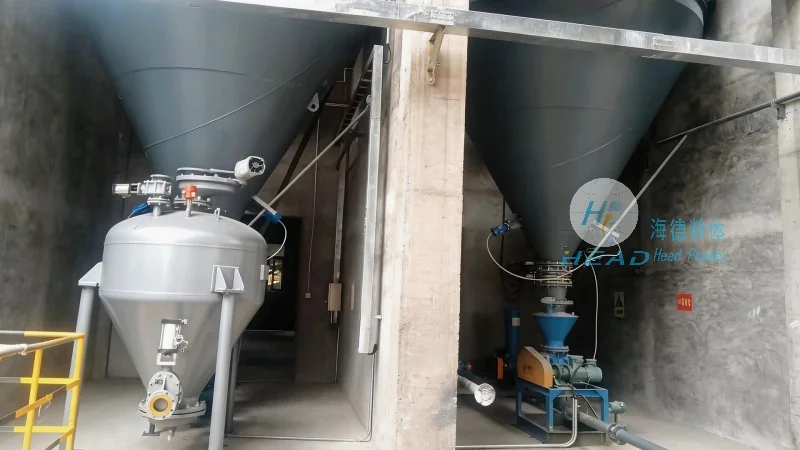
However, pneumatic conveying has significant limitations. The system requires a constant supply of compressed air, which can increase energy costs and maintenance requirements. Additionally, the peppercorns may be subject to friction and abrasion as they move through the pipes, potentially affecting their quality. Clogging is also a common issue, especially with wet or sticky peppercorns, which can lead to system downtime and increased maintenance costs.
4. Vibrating Conveyors for Gentle Pepper Handling
Vibrating conveyors use vibrations to move Sichuan peppercorns along a trough or conveyor belt. These systems are designed to handle delicate or fragile materials, making them suitable for transporting whole peppercorns that could be damaged by other methods. The vibrations are typically low-frequency and low-amplitude, ensuring that the peppercorns are moved gently without causing breakage or bruising.
The main advantage of vibrating conveyors is their ability to handle fragile or irregularly shaped peppercorns with minimal damage. They are also relatively quiet and can be easily integrated into existing production lines. Vibrating conveyors are also suitable for inclines and declines, as the vibrations help maintain the flow of the peppercorns.
Despite these benefits, vibrating conveyors have some limitations. They are not as efficient as other systems for high-volume operations, as the vibrations can cause the peppercorns to move slowly. Additionally, the system requires regular maintenance to ensure the vibrations are consistent and effective. The trough or conveyor belt may also need to be replaced more frequently due to wear and tear from the vibrations.
5. Comparison of Pepper Conveying Methods
When comparing the different pepper conveying methods, several factors should be considered. Belt conveyors are best suited for medium to high-volume operations where simplicity and reliability are key. Screw conveyors are ideal for bulk handling and vertical transport, while pneumatic conveyors are best for long-distance or complex layouts. Vibrating conveyors are recommended for delicate or fragile peppercorns that require gentle handling.
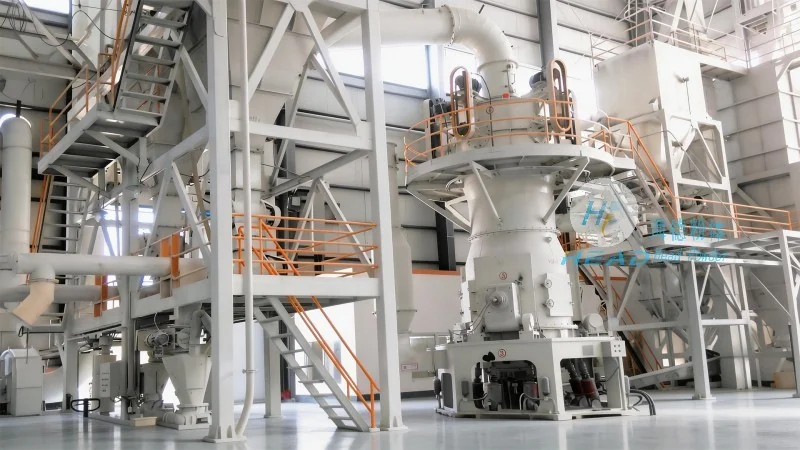
Cost is another important factor. Belt and screw conveyors generally have lower initial costs compared to pneumatic and vibrating systems. However, the long-term operational costs, including maintenance and energy consumption, should be taken into account. For example, pneumatic systems may have higher energy costs due to the need for compressed air, while vibrating systems may require more frequent maintenance.
Product quality is also a critical consideration. The method chosen should minimize damage to the peppercorns, as this can affect their flavor, aroma, and market value. Belt and vibrating conveyors are generally better for preserving product quality, while screw and pneumatic systems may cause more damage, especially with delicate or ground peppercorns.
Conclusion
Selecting the right pepper conveying system is essential for optimizing the efficiency and quality of Sichuan peppercorn processing. Each method has its own advantages and disadvantages, and the best choice depends on the specific needs of the business. By carefully evaluating factors such as volume, product type, and operational requirements, businesses can choose a system that maximizes productivity while maintaining product integrity.
Shandong HeadPowder Engineering Co., Ltd., a leading manufacturer of pepper processing equipment, offers a range of conveying systems tailored to meet the diverse needs of the industry. With years of experience and a commitment to quality, HeadPowder provides reliable and efficient solutions for pepper handling and transport. Whether you need a belt conveyor, screw conveyor, or pneumatic system, HeadPowder can help you find the right solution for your business.




