Efficient grain handling is a critical aspect of modern agricultural and food processing operations. The ability to move large volumes of grain from storage to processing facilities, or between different stages of production, directly impacts operational efficiency, cost management, and overall productivity. Various conveying methods have been developed to address these needs, each with distinct characteristics, advantages, and limitations. This article provides a detailed comparison of common grain conveying methods, focusing on their pros and cons to help industry professionals make informed decisions when selecting the most suitable system for their specific requirements.
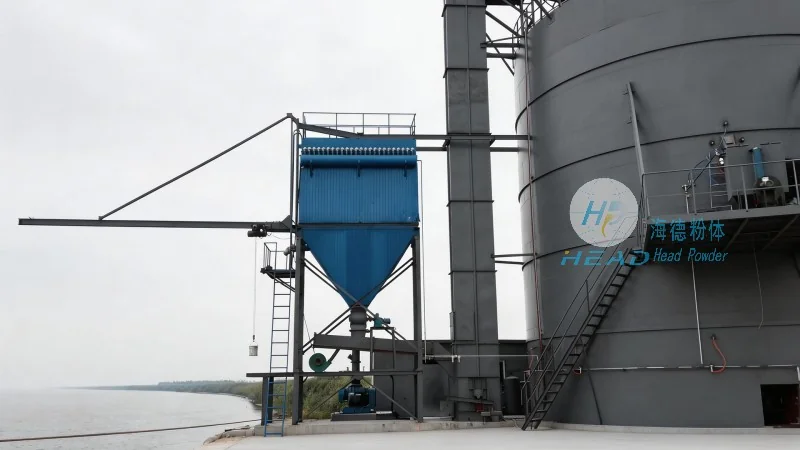
Belt Conveyor Systems: A Versatile and Widely Used Option
Belt conveyors are among the most common and versatile grain conveying solutions. They consist of a continuous loop of material (usually rubber or synthetic) that moves over rollers or pulleys. This system is capable of transporting a wide range of grain types, including bulk grains like wheat, corn, and rice, as well as other bulk materials. The primary advantage of belt conveyors is their high capacity and ability to handle long distances with minimal maintenance. They are also relatively low-cost to install and operate, making them an attractive choice for many applications. However, belt conveyors have some limitations. They require regular maintenance to prevent belt wear and slippage, and they may not be suitable for very steep inclines or high-temperature environments. Additionally, they can be susceptible to damage from foreign objects or moisture, which may affect the quality of the grain being transported.
Screw Conveyors: Compact and Space-Efficient Solutions
Screw conveyors, also known as auger conveyors, are another popular choice for grain handling. These systems use a rotating helical screw to move material along a tube or trough. Screw conveyors are particularly well-suited for vertical or inclined transport, as they can lift grain from lower to higher levels without the need for additional equipment. Their compact design makes them ideal for applications with limited space, such as in storage silos or processing plants. The main advantages of screw conveyors include their simplicity, low maintenance requirements, and ability to handle a variety of grain sizes and moisture content. However, they have some drawbacks. Screw conveyors are generally less efficient for long horizontal distances compared to belt conveyors, and they may cause more grain breakage due to the friction between the screw and the material. Additionally, they can be prone to clogging if the grain is too wet or contains large debris.
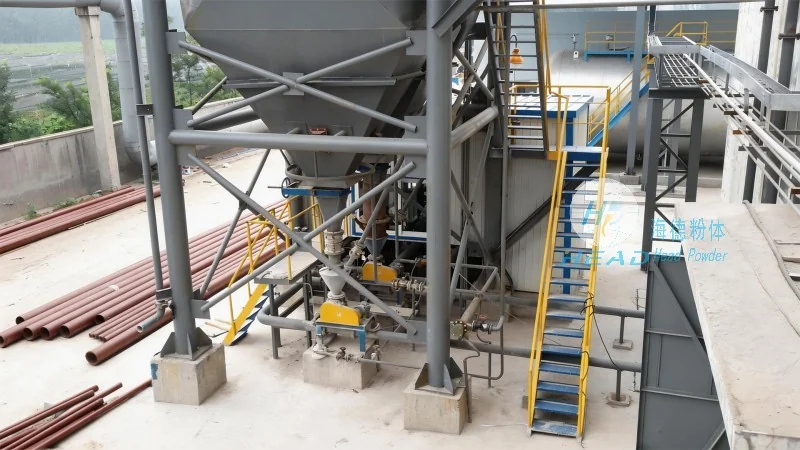
Air-Flow Conveying Systems: High-Capacity and Flexible Transport
Air-flow or pneumatic conveying systems use air pressure to move grain through a pipeline. These systems are highly effective for long-distance transport and can handle large volumes of material. The primary advantage of air-flow conveyors is their ability to transport grain in a closed system, which helps maintain grain quality by preventing exposure to dust, moisture, or contaminants. They are also flexible, as the pipeline can be easily reconfigured to change the transport route. However, air-flow systems have significant drawbacks. They require high energy consumption due to the need to maintain air pressure, and they may not be suitable for very fine or powdery grains, which can cause blockages in the pipeline. Additionally, the system can be expensive to install and maintain, especially for large-scale operations.
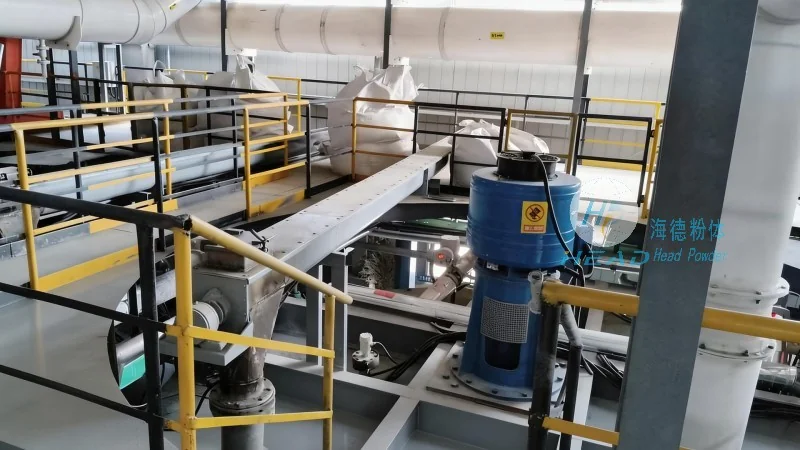
HeadPowder Engineering: Customized Grain Conveying Solutions
Shandong HeadPowder Engineering Co., Ltd. specializes in providing tailored grain conveying solutions to meet the diverse needs of the agricultural and food processing industries. With a focus on efficiency, reliability, and cost-effectiveness, HeadPowder offers a range of conveying systems that integrate the best features of different technologies. The company’s experts work closely with clients to assess their specific operational requirements, including grain type, volume, and distance, to recommend the most suitable conveying method. Whether it's a belt conveyor, screw conveyor, or air-flow system, HeadPowder ensures that the chosen solution is optimized for performance and longevity. The company also provides maintenance and support services to ensure that the conveying systems operate at peak efficiency throughout their service life. By leveraging years of experience and advanced engineering, HeadPowder helps clients improve their grain handling processes, reduce operational costs, and enhance overall productivity.
Conclusion: Choosing the Right Grain Conveying Method
When selecting a grain conveying method, it is essential to consider the specific characteristics of the grain, the distance to be covered, the available space, and the budget. Each method has its own set of advantages and disadvantages, and the optimal choice depends on the unique requirements of the operation. By understanding the pros and cons of each system, industry professionals can make informed decisions that lead to improved efficiency, reduced costs, and better grain quality. Shandong HeadPowder Engineering Co., Ltd. is a trusted partner in this process, offering expert guidance and customized solutions to help clients achieve their grain handling goals.




