HeadPowder, a leading enterprise in the field of powder handling technology, specializes in the research, development, and application of pneumatic conveying systems for various industrial powders. This article provides an in-depth exploration of the working principles and practical applications of pneumatic conveying for lime powder, a widely used industrial material. The company, Shandong HeadPowder Engineering Co., Ltd., based in Shandong, China, has extensive experience in optimizing material transport solutions for demanding industrial environments.
Understanding Pneumatic Conveying: The Core Mechanism
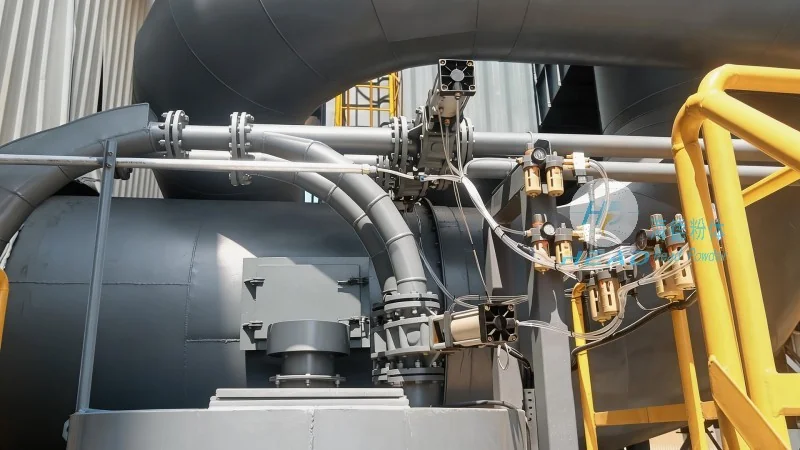
Pneumatic conveying is a method of transporting bulk materials, such as lime powder, through a pipeline using a gas stream, typically air or other gases. The process relies on the principles of fluid dynamics and particle movement within a closed system. The core mechanism involves creating a pressure differential or using a vacuum to draw or push the powder particles through the pipeline. This technique is particularly effective for materials that are difficult to handle with traditional mechanical conveyors due to their fine particle size, hygroscopic nature, or tendency to agglomerate.
Types of Pneumatic Conveying Systems
There are two primary categories of pneumatic conveying systems: suction (or vacuum) systems and pressure systems. Each type has distinct characteristics and is suited to different operational requirements.
Suction (Vacuum) Pneumatic Conveying
Suction systems operate by creating a negative pressure at the inlet, which draws the material from the source into the pipeline. This method is ideal for applications where the material is located at a higher elevation or in a confined space, as it can pull material up and over obstacles. The system typically uses a vacuum pump to generate the required pressure differential. The main advantages include lower installation costs and the ability to handle materials from multiple points simultaneously. However, suction systems have limitations in terms of distance and material capacity, as the pressure drop increases with longer pipelines and larger particle loads.
Pressure Pneumatic Conveying
Pressure systems, on the other hand, use a positive pressure to push the material through the pipeline. A blower or compressor generates the necessary pressure, which forces the powder from the source to the destination. This approach is more suitable for longer distances and higher material throughput, as it can maintain consistent pressure throughout the system. Pressure systems are commonly used in industrial settings where the material needs to be transported over significant distances or where high flow rates are required. The main benefits include greater flexibility in pipeline layout and the ability to handle larger quantities of material efficiently.
Application of Pneumatic Conveying for Lime Powder
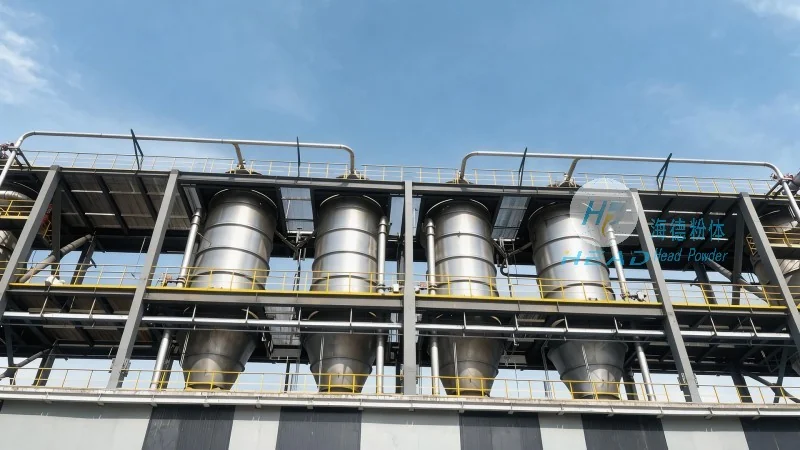
Lime powder, also known as calcium oxide or quicklime, is a versatile industrial material used in various sectors, including construction, chemical manufacturing, and environmental treatment. Its handling requires specialized equipment due to its fine particle size and reactivity. Pneumatic conveying offers a reliable solution for transporting lime powder from storage silos, processing units, or reaction vessels to downstream equipment such as mixers, reactors, or packaging lines. The technology ensures minimal material loss, reduced dust exposure, and improved safety compared to traditional methods like bucket elevators or belt conveyors.
Advantages of Using Pneumatic Conveying for Lime Powder
Implementing pneumatic conveying systems for lime powder offers several key advantages that enhance operational efficiency and product quality.
Efficient Material Transport
Pneumatic conveying enables the rapid and continuous transport of lime powder, reducing downtime and increasing production throughput. The system can handle varying material flow rates, adapting to the needs of different production stages. This flexibility is particularly valuable in dynamic industrial environments where production demands fluctuate.
Reduced Dust and Improved Safety
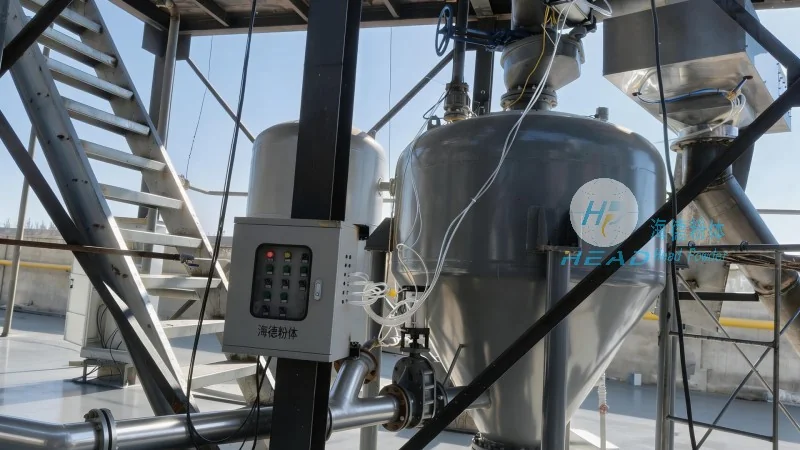
Lime powder is a fine, dusty material that can pose health risks if inhaled. Pneumatic conveying systems are designed to minimize dust generation and exposure. The enclosed pipeline system prevents dust from escaping into the workplace, while filtration systems capture any particles that may be released. This results in a safer working environment and compliance with occupational health regulations.
Minimal Material Loss and Contamination
Unlike open conveyors, pneumatic systems keep the material contained within the pipeline, reducing the risk of spillage or contamination from external sources. This is crucial for maintaining the purity of lime powder, which is essential for its intended applications. The enclosed system also prevents moisture absorption from the air, preserving the material's quality and reactivity.
Customizable and Scalable Solutions
HeadPowder provides customized pneumatic conveying solutions tailored to the specific requirements of each client. The company's engineers work closely with customers to design systems that optimize material flow, minimize energy consumption, and meet regulatory standards. Whether for small-scale laboratory applications or large-scale industrial production, the solutions are scalable and adaptable to evolving operational needs.
Conclusion
Pneumatic conveying is a sophisticated and efficient method for handling lime powder, offering significant benefits in terms of operational performance, safety, and material quality. Shandong HeadPowder Engineering Co., Ltd., with its expertise in powder handling technology, continues to innovate and provide advanced solutions that meet the evolving demands of the industrial sector. By leveraging the principles of pneumatic conveying, industries can enhance their production processes, reduce costs, and ensure compliance with environmental and safety standards.




