Understanding the technology behind efficient and reliable transportation of pearlescent sand powders is crucial for industries that rely on such materials. Pneumatic conveying equipment, specifically designed for handling pearlescent sand powders, offers a sophisticated solution that combines advanced engineering with practical application. This article provides an overview of the equipment, its structural design, and the underlying principles that enable effective material transport.
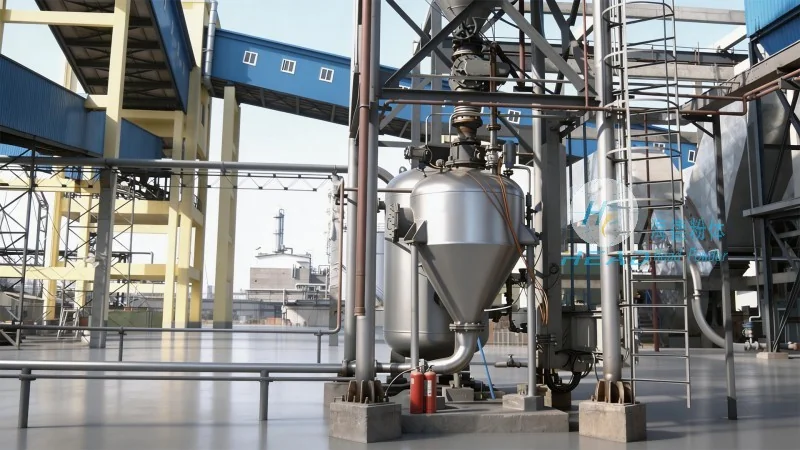
Introduction to Pearlescent Sand Powder Pneumatic Conveying Equipment
Pearlescent sand powders, characterized by their unique optical properties and fine particle size, require specialized handling equipment to ensure minimal loss, contamination, and degradation during transport. The pneumatic conveying system is a preferred method for such applications due to its ability to handle abrasive and sensitive materials while maintaining high efficiency. This equipment is engineered to meet the stringent demands of industries such as cosmetics, coatings, and plastics, where the quality and consistency of the final product are paramount.
Company Profile: Shandong HeadPowder Engineering Co., Ltd.
At the heart of this technology is Shandong HeadPowder Engineering Co., Ltd., a leading manufacturer specializing in the design and production of pneumatic conveying systems. With a strong presence in China, particularly in Shandong province, the company has established itself as a trusted partner for businesses seeking reliable and efficient material handling solutions. The company's commitment to quality, innovation, and customer satisfaction has positioned it as a key player in the industry, providing tailored solutions that address the specific needs of each client.
Working Principle of Pneumatic Conveying Systems
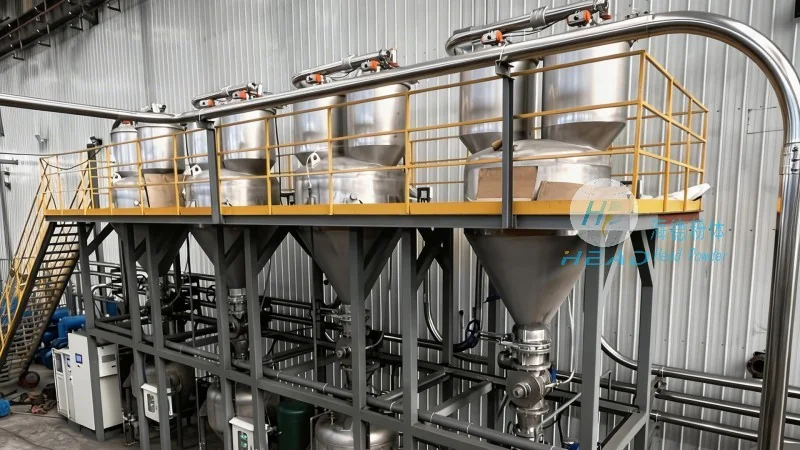
The core of the pneumatic conveying system lies in the principle of using air or gas to transport solid materials through a pipeline. In the case of pearlescent sand powders, the system operates by creating a pressure differential that propels the powder particles along the conveying line. The process typically involves several stages: material feeding, air induction, acceleration, and deceleration, followed by separation and discharge. The equipment is designed to handle both dilute and dense phase conveying, allowing for flexibility in application and material throughput.
Key Components and Their Functions
The pneumatic conveying equipment for pearlescent sand powders consists of several critical components, each playing a vital role in the overall operation. The primary components include the material feeder, which ensures a consistent and controlled feed of the powder; the air compressor or blower, which generates the necessary air pressure; the conveying pipeline, which transports the material; the separation unit, which separates the powder from the air stream; and the discharge device, which collects the material at the destination. Each component is carefully engineered to withstand the abrasive nature of the pearlescent sand and to maintain the integrity of the material during transport.
Advantages of Using Pneumatic Conveying for Pearlescent Sand Powders
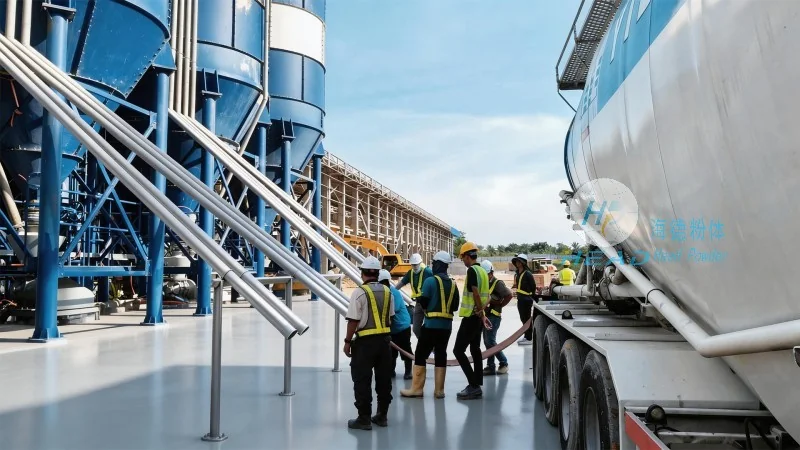
Employing pneumatic conveying systems for the transport of pearlescent sand powders offers numerous advantages over traditional methods such as bucket elevators or belt conveyors. One of the most significant benefits is the ability to handle fine and abrasive materials without causing excessive wear or degradation. The system also provides a dust-free and enclosed environment, reducing the risk of contamination and improving workplace safety. Additionally, pneumatic conveying allows for flexible routing and can be integrated with existing production lines, minimizing downtime and increasing overall operational efficiency. The technology also offers cost-effectiveness in the long run, as it reduces material loss and maintenance costs associated with traditional handling methods.
Application Scenarios
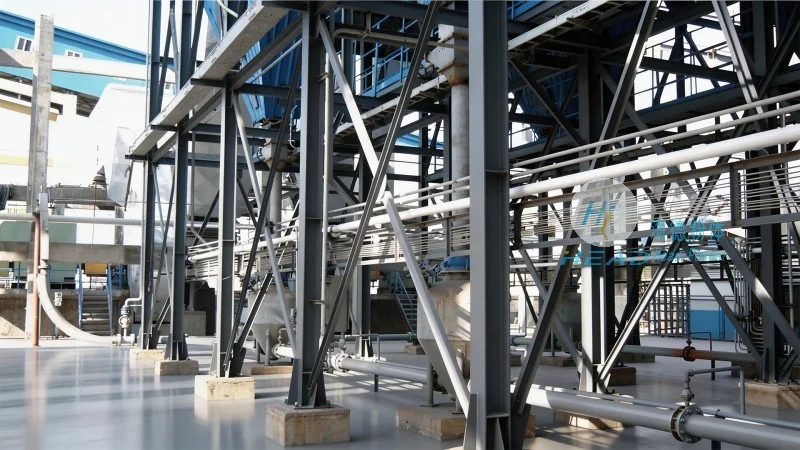
The versatility of the pearlescent sand powder pneumatic conveying equipment makes it suitable for a wide range of applications. In the cosmetics industry, it is used to transport pigments and powders for makeup products, ensuring consistent color and texture. In the coatings industry, the equipment is employed to handle pearlescent pigments for automotive and industrial coatings, enhancing the aesthetic appeal of the final products. The plastics industry also benefits from this technology, as it facilitates the transport of colorants and additives, improving the quality and uniformity of plastic products. Furthermore, the system is applicable in pharmaceutical and food processing sectors where the handling of fine powders requires strict hygiene and contamination control.
Maintenance and Operational Tips
To ensure the longevity and optimal performance of the pneumatic conveying equipment, regular maintenance and proper operational practices are essential. Regular inspection of the components, such as the air compressor, conveying pipeline, and separation unit, is crucial to identify and address any potential issues before they escalate. Cleaning the system periodically, especially the material feeder and separation unit, helps prevent the accumulation of abrasive particles that could cause wear and tear. Proper air filtration is also important to maintain the quality of the air stream and prevent contamination of the pearlescent sand powders. Additionally, training operators on the correct operation and maintenance procedures can significantly enhance the efficiency and reliability of the system.




