Glass microspheres pneumatic conveying equipment is a specialized system designed for the efficient transport of glass microspheres, a lightweight, insulating material widely used in construction and industrial applications. This equipment plays a crucial role in ensuring the smooth and reliable movement of these particles from storage to processing or packaging areas. The following sections provide an overview of the equipment's structure and operational principles, highlighting key components and their functions.
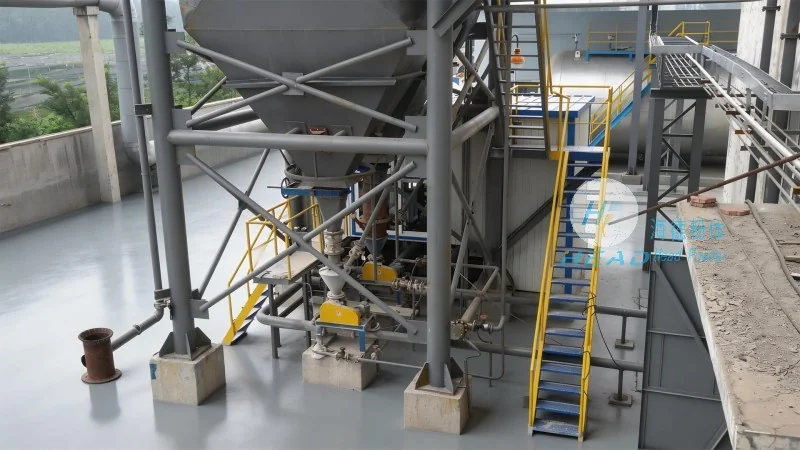
Overview of Glass Microspheres Pneumatic Conveying Equipment
Glass microspheres pneumatic conveying equipment typically consists of several interconnected components that work in tandem to achieve effective material transport. The system is engineered to handle the unique properties of glass microspheres, such as their low density and spherical shape, which can influence flow characteristics and system performance. A typical setup includes a hopper for material storage, a feeder to control the flow rate, a conveying line (often equipped with a pipeline and possibly a venturi or rotary valve), and a receiver for the deposited material. The equipment is designed to minimize material degradation and ensure consistent delivery, making it an essential tool for manufacturers relying on glass microspheres in their production processes.
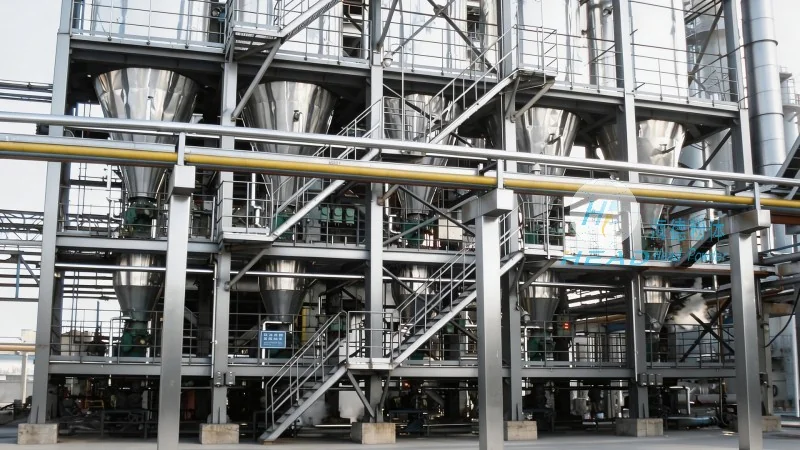
Key Structural Components and Their Functions
The structural design of glass microspheres pneumatic conveying equipment is tailored to optimize performance and durability. Each component serves a specific purpose in the overall conveying process. The hopper, usually made of stainless steel or other corrosion-resistant materials, stores the glass microspheres and provides a controlled feed point. It is equipped with a discharge valve that regulates the material flow into the feeder. The feeder, often a rotary valve or a screw feeder, ensures a steady and controlled supply of glass microspheres to the conveying line, preventing blockages and maintaining consistent pressure within the system. The conveying line itself is typically a flexible or rigid pipe, depending on the application, and may include additional components like a venturi or a rotary airlock to enhance material transport efficiency. The receiver, located at the end of the conveying line, collects the glass microspheres and may include a dust collection system to maintain air quality and prevent contamination. These components are carefully integrated to form a cohesive system that addresses the specific challenges of transporting glass microspheres, such as their tendency to settle or create air resistance.
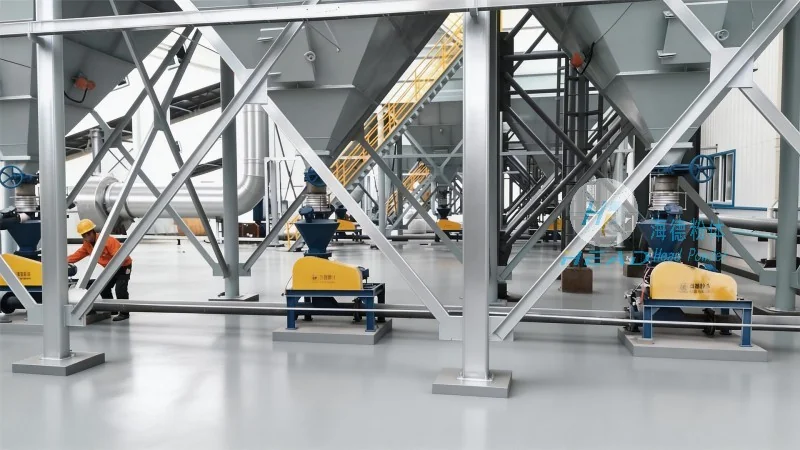
Working Principles of the Pneumatic Conveying System
The operational principle of glass microspheres pneumatic conveying equipment relies on the use of compressed air to move the material through the conveying line. The system operates by creating a pressure differential between the hopper and the receiver. When the feeder releases glass microspheres into the conveying line, the compressed air is introduced, creating a flow that lifts and propels the particles forward. The air velocity within the line is carefully controlled to ensure that the glass microspheres are carried without excessive wear or degradation. The venturi or other air-moving components help to maintain a consistent flow rate, preventing clogging and ensuring that the material reaches the receiver efficiently. The system may also include a filter or cyclone to separate any fine particles from the air stream, improving air quality and reducing the risk of contamination in downstream processes. The entire process is automated to minimize human intervention, ensuring consistent performance and reliability. The working principles of this equipment are based on fundamental fluid dynamics and material handling techniques, adapted to meet the specific demands of glass microspheres transportation.
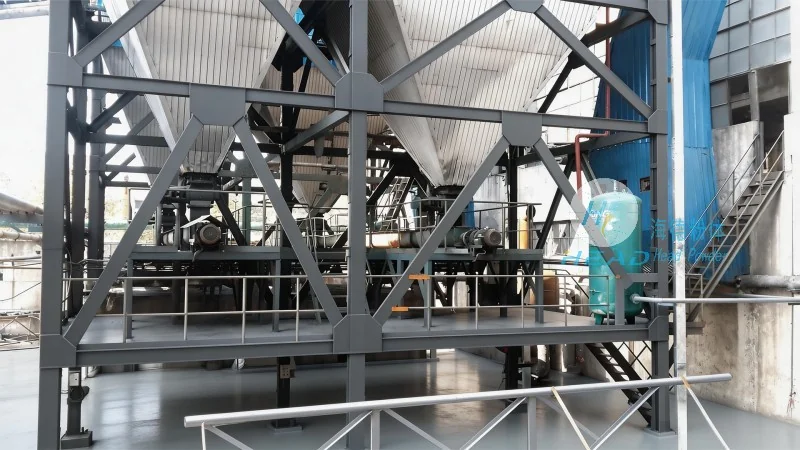
Company Information: Shandong HeadPowder Engineering Co., Ltd.
Headpowder, formally known as Shandong HeadPowder Engineering Co., Ltd., is a leading manufacturer of specialized equipment for the handling and processing of glass microspheres. With a focus on innovation and quality, the company has developed advanced pneumatic conveying systems tailored to the unique requirements of the glass microspheres industry. Headpowder's equipment is designed to enhance efficiency, reduce operational costs, and ensure the highest standards of material handling. The company's headquarters is located in Shandong, China, where it leverages local expertise and resources to provide comprehensive solutions for clients worldwide. By combining technical expertise with practical application, Headpowder has established itself as a trusted partner in the production and distribution of glass microspheres, offering reliable and efficient equipment that meets the evolving needs of the industry.




