

What is a Pearl Salt Granular Material Pneumatic Conveying Line? And What Are Its Design Principles?
For industries dealing with bulk materials like pearl salt, efficient and reliable material handling is crucial. A pneumatic conveying line, specifically designed for granular materials such as pearl salt, offers a solution that minimizes downtime, reduces labor costs, and ensures consistent product quality. This article explores the concept of a pearl salt granular material pneumatic conveying line and delves into its core design principles, highlighting the technical aspects and practical applications.
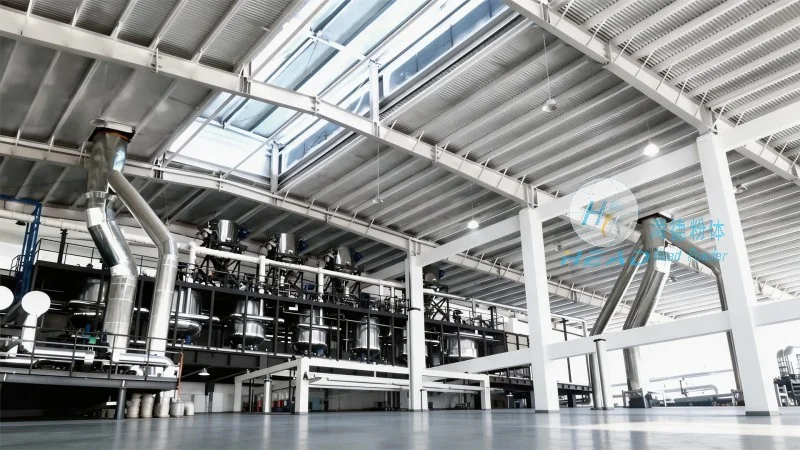
Pneumatic Conveying: An Overview
Pneumatic conveying is a method of transporting bulk materials through a pipeline using air or other gases as the conveying medium. Unlike mechanical systems that rely on belts, screws, or buckets, pneumatic systems utilize pressure differentials to move materials from one location to another. This technology is particularly advantageous for materials that are dusty, abrasive, or require a hygienic handling environment, making it ideal for the food and chemical industries where pearl salt is commonly used.
Components of a Pearl Salt Granular Material Pneumatic Conveying Line
The design of a pneumatic conveying system for pearl salt involves several key components, each playing a critical role in the overall operation. These components include:
1. Feed Hopper: The feed hopper is the initial storage and feeding unit where pearl salt is loaded. It ensures a steady flow of material into the conveying system, preventing blockages and maintaining consistent pressure. The hopper is typically designed with a sloped bottom to facilitate material discharge and may include a rotary valve or a star feeder to control the flow rate.
2. Conveying Pipeline: The pipeline is the main pathway for transporting pearl salt. It is usually made of stainless steel or other corrosion-resistant materials to withstand the abrasive nature of the granular material and the potential moisture content. The pipeline diameter and length are carefully selected based on the material's properties, such as particle size, density, and flowability, to ensure efficient and low-pressure drop transport.
3. Air Supply System: This system generates the necessary air pressure to move the material through the pipeline. It typically includes a blower or a compressor, along with a filter and a moisture separator to ensure clean air is used. The air supply is regulated to maintain the required pressure and flow rate, which directly impacts the conveying efficiency and energy consumption.
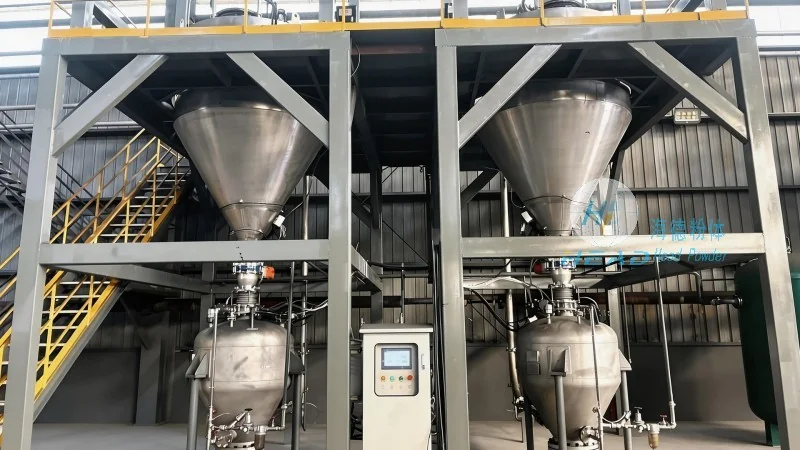
4. Control Valves and Regulators: These components are used to control the flow of both material and air within the system. They include check valves, flow control valves, and pressure regulators to prevent backflow, adjust the conveying rate, and maintain stable pressure levels. Proper control is essential for preventing material buildup and ensuring smooth operation.
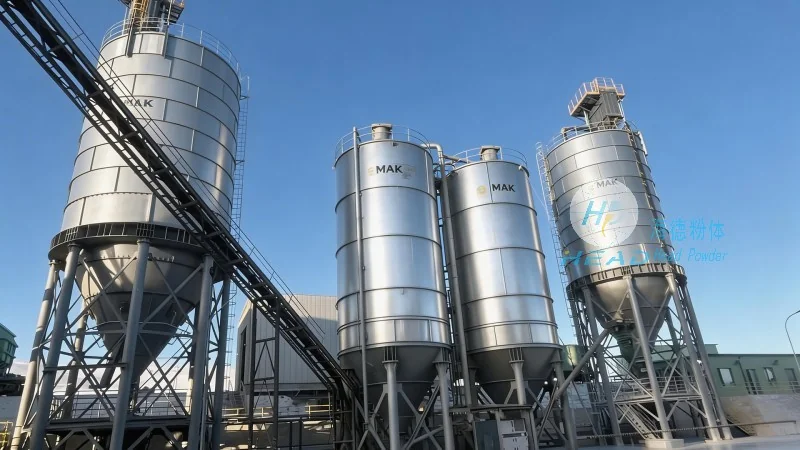
5. Receiving Hopper or Silo: The receiving hopper collects the conveyed pearl salt at the destination point. It is designed to store the material temporarily before it is further processed or packaged. The hopper may include a discharge valve or a rotary valve to control the outflow of the material, ensuring a controlled and efficient transfer.
Design Principles for Efficient Pearl Salt Conveying
The design of a pneumatic conveying line for pearl salt is based on several key principles that ensure optimal performance, reliability, and cost-effectiveness. These principles include:
1. Material Characteristics Analysis: Before designing the system, it is essential to analyze the physical and chemical properties of pearl salt. This includes particle size distribution, density, moisture content, and flowability. Understanding these characteristics helps in selecting the appropriate equipment, such as the pipeline diameter, blower capacity, and hopper design, to achieve efficient conveying without excessive pressure drop or material degradation.
2. Pressure Drop Considerations: The pressure drop in the pipeline is a critical factor in pneumatic conveying. It is influenced by the material's properties, pipeline length, diameter, and the type of conveying system (e.g., dilute phase vs. dense phase). Designers aim to minimize pressure drop to reduce energy consumption and ensure the system operates within the blower's capacity. This involves selecting the right pipeline diameter, using smooth pipe surfaces, and avoiding sharp bends or restrictions that could cause high pressure losses.
3. Flow Rate and Velocity Optimization: The flow rate of pearl salt through the pipeline is determined by the air velocity and the material's velocity. The design must ensure that the air velocity is sufficient to lift and transport the particles but not so high that it causes excessive wear on the pipeline or equipment. The material velocity is typically lower than the air velocity, and the ratio between the two is optimized to achieve efficient conveying with minimal energy use.
4. System Sizing and Capacity: The conveying system's capacity is determined by the required throughput of pearl salt. This involves calculating the material flow rate based on production requirements and ensuring that the blower and pipeline can handle the load. Proper sizing prevents overloading the system, which can lead to pressure surges, material blockages, or equipment failure. The system must be designed to handle peak loads and maintain consistent performance under varying operating conditions.
5. Hygienic and Maintenance Considerations: For industries dealing with food-grade materials like pearl salt, the conveying system must meet strict hygiene standards. The design includes features such as smooth, easy-to-clean surfaces, no dead zones where material can accumulate, and materials that are resistant to corrosion and bacterial growth. Additionally, the system is designed for easy maintenance, with accessible components that can be cleaned or replaced without disrupting the entire operation. Regular maintenance is crucial to ensure the system's longevity and performance.
Applications and Benefits of Pearl Salt Pneumatic Conveying Lines
Pneumatic conveying lines for pearl salt are widely used in various industries, including food processing, chemical manufacturing, and pharmaceuticals. The primary benefits of this technology include:
1. Reduced Labor and Downtime: Automated material handling reduces the need for manual labor, minimizing the risk of human error and injury. The system operates continuously, reducing downtime caused by material handling and ensuring a steady supply of pearl salt to the production line.
2. Improved Product Quality: Pneumatic systems minimize material contamination and degradation compared to mechanical systems. The enclosed pipeline prevents exposure to dust, moisture, or contaminants, maintaining the purity and quality of the pearl salt. This is particularly important for food-grade applications where product quality is paramount.
3. Energy Efficiency: Modern pneumatic conveying systems are designed to be energy-efficient. By optimizing the air velocity and pipeline design, the system minimizes energy consumption while maintaining high conveying efficiency. This reduces operational costs and has a positive environmental impact.
4. Space Efficiency: Pneumatic conveying systems can be installed in confined spaces, making them suitable for facilities with limited floor space. The flexible pipeline design allows for easy routing around obstacles, and the compact components require less installation area compared to traditional mechanical systems.
5. Scalability and Flexibility: The system can be easily scaled up or down to accommodate changes in production capacity. It can also be integrated with other processing equipment, such as mixers, dryers, or packaging machines, to form a complete production line. The flexibility of the pneumatic system allows for easy adaptation to changing production requirements.
Conclusion
A pearl salt granular material pneumatic conveying line is a sophisticated system designed to efficiently and reliably transport bulk materials. The design principles, including material analysis, pressure drop management, flow rate optimization, and system sizing, are critical to ensuring the system's performance and longevity. By leveraging the advantages of pneumatic conveying, industries can improve operational efficiency, product quality, and overall productivity. Companies like Shandong HeadPowder Engineering Co., Ltd., with their expertise in engineering and manufacturing, provide customized solutions tailored to the specific needs of their clients, ensuring that the pneumatic conveying line meets the highest standards of performance and reliability.