HeadPowder, a leading provider in the field, specializes in the design and implementation of pneumatic conveying systems tailored for talc powder. This article delves into the fundamental principles behind these systems and highlights the key characteristics of their operational environments.
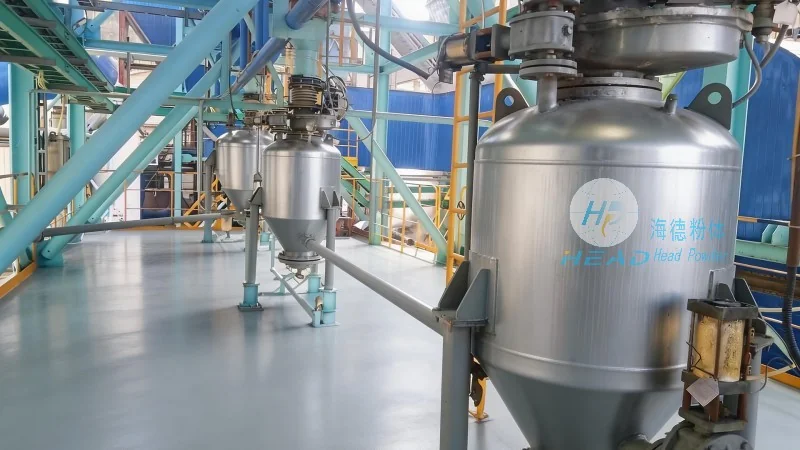
The Core Principle of Pneumatic Conveying
The pneumatic conveying line operates on the principle of transporting bulk materials, such as talc powder, through a pipeline using a stream of air or other gas. This method eliminates the need for mechanical components like conveyor belts or buckets, offering a more efficient and flexible solution for material handling. The system typically consists of a feeding unit, a conveying pipeline, a separation or collection unit, and a control system. The feeding unit introduces the talc powder into the pipeline, while the air stream propels the material forward. The separation unit then captures the powder from the air stream, ensuring a clean and efficient transfer process.
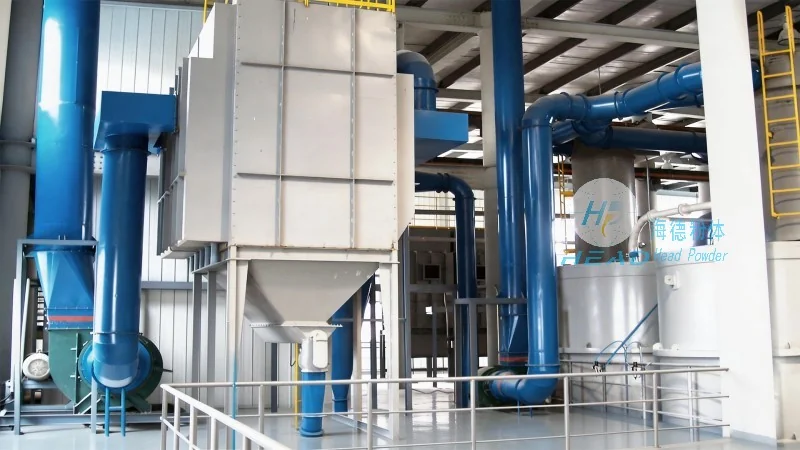
Key Working Scene Characteristics
The operational environment of talc powder pneumatic conveying systems is characterized by several distinct features that influence system design and performance. Firstly, talc powder is a fine, dry material with low bulk density, which requires careful consideration of air velocity and pipeline design to prevent material settling or blockages. Secondly, the material's non-abrasive nature allows for the use of standard metal or plastic pipelines without excessive wear, though specialized coatings may be employed for enhanced durability in high-traffic applications. Thirdly, the systems are often integrated into production lines where space is limited, necessitating compact and modular designs that can be easily installed and maintained. Additionally, the need for dust control and environmental compliance is critical, as talc powder is a fine particulate that can pose health and safety risks if not properly contained. The systems are equipped with filtration and exhaust systems to ensure that the air discharged is clean and meets regulatory standards.
Applications and Industry Integration
Talc powder pneumatic conveying systems are widely used in various industrial applications, including pharmaceuticals, cosmetics, and ceramics. In the pharmaceutical industry, the systems are employed to transport talc powder for use in drug formulations, where purity and contamination control are paramount. The cosmetics industry utilizes these systems for the production of talc-based powders, such as in facial powders and body powders, where consistent particle size and quality are essential. In the ceramics sector, talc is a key raw material for glazes and clay bodies, and the pneumatic conveying systems ensure a uniform and efficient supply of the material to production lines. The integration of these systems into existing production facilities is seamless, as they can be customized to fit specific space constraints and operational requirements.
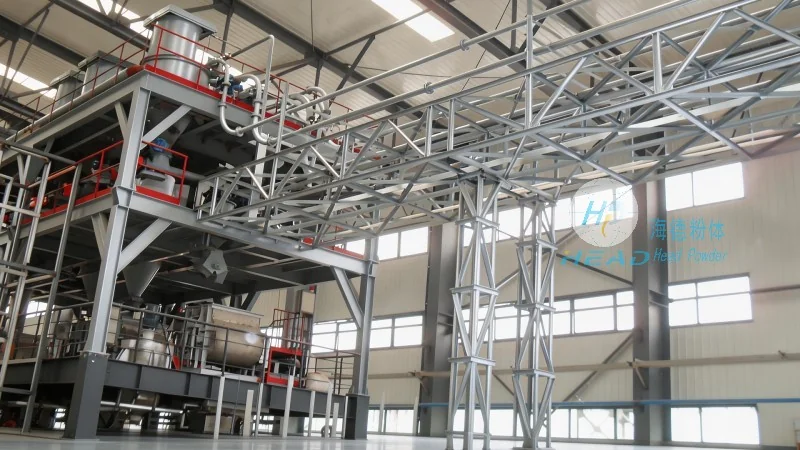
Advantages of Pneumatic Conveying for Talc Powder
Compared to traditional mechanical conveying methods, talc powder pneumatic conveying systems offer several advantages. The primary benefit is the elimination of mechanical wear and tear, as there are no moving parts in direct contact with the material. This reduces maintenance costs and extends the system's operational lifespan. Additionally, the systems provide a more hygienic and controlled environment, as the material is contained within the pipeline and handled in a dust-free manner. This is particularly important in industries where product purity and regulatory compliance are critical. The flexibility of pneumatic conveying also allows for the transportation of talc powder over long distances or through multiple processing stages without the need for intermediate storage or handling. Furthermore, the systems can be easily scaled up or down to accommodate changes in production volume, providing a cost-effective solution for businesses with fluctuating demand.




