HeadPowder, a renowned enterprise based in Shandong, China, specializes in the development and implementation of low-pressure pneumatic conveying systems. With a strong commitment to innovation and quality, HeadPowder has established itself as a leading provider of material handling solutions for various industrial sectors. The company's expertise lies in designing customized low-pressure pneumatic conveying lines that meet the specific requirements of clients, ensuring efficient and reliable material transport while minimizing operational costs.
Understanding Low-Pressure Pneumatic Conveying Systems
Low-pressure pneumatic conveying lines represent a sophisticated method for transporting bulk materials, particularly dry powders and granules, over short to medium distances. Unlike high-pressure systems that rely on high air velocities and pressures, low-pressure systems operate at lower air pressures, typically between 0.5 and 2 bar. This lower pressure regime offers several key advantages, including reduced energy consumption, lower equipment costs, and the ability to handle delicate materials without causing degradation or damage. The system's flexibility also allows for easy integration with existing production lines and the ability to adapt to varying material properties and conveying distances.
Core Components and Their Functions
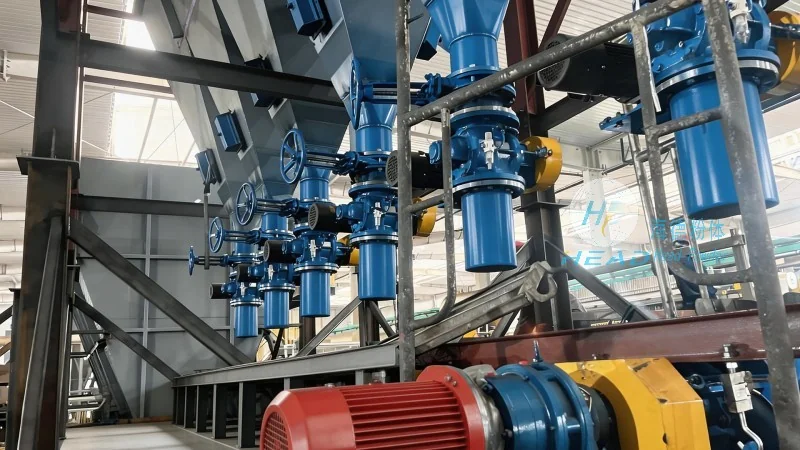
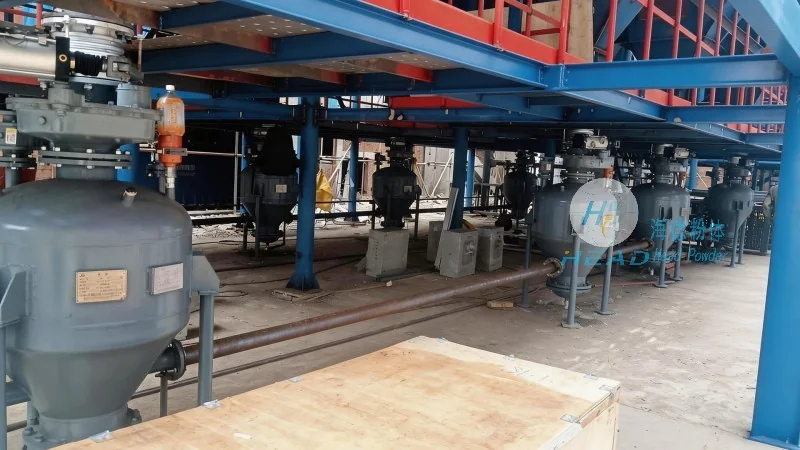
A low-pressure pneumatic conveying line comprises several critical components that work in unison to facilitate material transport. The primary components include a blower or fan, which generates the necessary airflow to create a low-pressure zone within the pipeline; a hopper or feeder, responsible for storing and metering the material at a controlled rate; a network of pipelines that guide the material from the source to the destination; and a receiver or discharge unit that collects the material at the end of the line. Additional components such as filters, silencers, and check valves may be incorporated to enhance system performance, ensure air quality, and prevent backflow or pressure surges.
The Working Principle Explained
The fundamental principle behind low-pressure pneumatic conveying is the creation of a pressure differential between the material source and the receiving point. When the blower is activated, it draws air through the system, creating a low-pressure environment within the pipeline. As material is released from the feeder into the air stream, it becomes entrained by the airflow and is carried through the pipeline to the receiving unit. The system maintains a stable conveying condition by balancing the air velocity with the material's density, ensuring that the material is transported without deposition or blockages. The low pressure also contributes to a quieter operation and reduced wear on components, making the system suitable for applications where noise and equipment longevity are important considerations.
Step-by-Step Operation Process
The operation of a low-pressure pneumatic conveying line follows a systematic sequence of steps to ensure efficient material transfer. Initially, the material is loaded into the hopper or feeder, where it is stored and prepared for transport. Simultaneously, the blower or fan is started, generating the required airflow and establishing the low-pressure zone. As the material is metered from the feeder, it is drawn into the air stream and conveyed through the pipeline to the receiving unit. The system continuously monitors airflow and material flow rates, with adjustments made as needed to maintain optimal performance. This process ensures consistent and reliable material transport, minimizing downtime and maximizing productivity.
Advantages and Common Applications
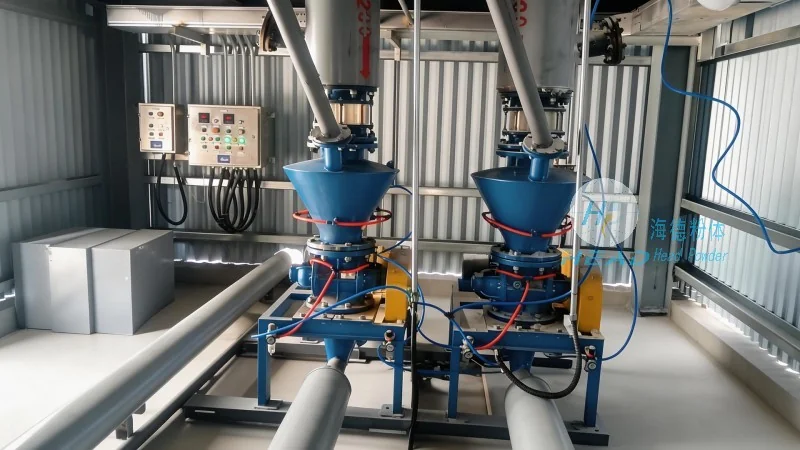
Low-pressure pneumatic conveying systems offer a range of benefits that make them ideal for diverse industrial applications. These advantages include the ability to handle a wide variety of materials, including fine powders, granules, and other dry substances, without causing segregation or degradation. The system's flexibility allows for easy integration with existing production lines and the ability to transport materials over varying distances and elevations. Additionally, low-pressure systems are energy-efficient, with lower operational costs compared to high-pressure alternatives. Common applications include the transport of food powders, pharmaceuticals, chemicals, and other sensitive materials in industries such as food processing, pharmaceutical manufacturing, and chemical processing. The system's ability to handle delicate materials makes it particularly suitable for applications where material quality and integrity are paramount.
Maintenance and Operational Best Practices
Proper maintenance and operational practices are crucial for ensuring the longevity and reliability of a low-pressure pneumatic conveying line. Regular maintenance tasks include checking the blower and fan for proper airflow, inspecting the pipeline for blockages or wear, and cleaning filters and silencers to maintain system efficiency. Proper material handling practices, such as avoiding overloading the feeder and ensuring consistent material flow, are also essential to prevent system failures and extend equipment life. HeadPowder provides comprehensive maintenance services and technical support to help clients optimize their low-pressure pneumatic conveying systems, minimize downtime, and maximize operational efficiency. By adhering to these best practices, clients can ensure the consistent performance and reliability of their material handling solutions.




