HeadPowder, a leading manufacturer based in Shandong, China, specializes in the design and production of advanced pneumatic conveying systems for handling polypropylene granules. This equipment is engineered to efficiently transport polypropylene particles from storage silos or hoppers to processing units, ensuring smooth and reliable material flow in industrial applications. The following sections will detail the operational process and underlying principles of such systems, highlighting key components and their functions.
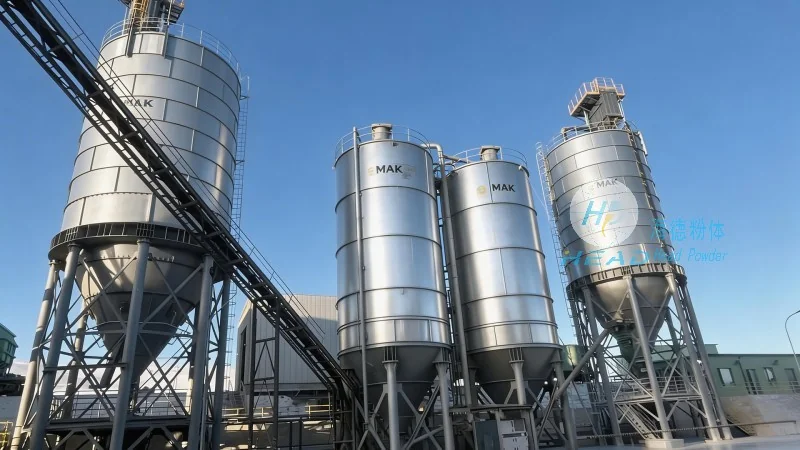
Key Components of the Pneumatic Conveying System
The polypropylene granule pneumatic conveying equipment typically consists of several critical components that work in tandem to achieve effective material transport. These include a hopper or silo for material storage, a rotary airlock valve to control the flow of granules into the system, a venturi or pipeline with a pressure differential, and a receiver or destination vessel where the material is deposited. Each component plays a vital role in maintaining the integrity and efficiency of the conveying process.
Working Principle of the Pneumatic Conveying Process
The core principle of pneumatic conveying for polypropylene granules involves using compressed air to create a flow that propels the material through the pipeline. As air is introduced into the system, it generates a pressure differential that draws the polypropylene granules into the air stream. The combination of air velocity and particle size allows for the efficient movement of the material without the need for mechanical conveyors, which can be prone to wear and maintenance issues. The venturi section, where the air velocity is highest, ensures that the granules are fully entrained and transported to the destination.
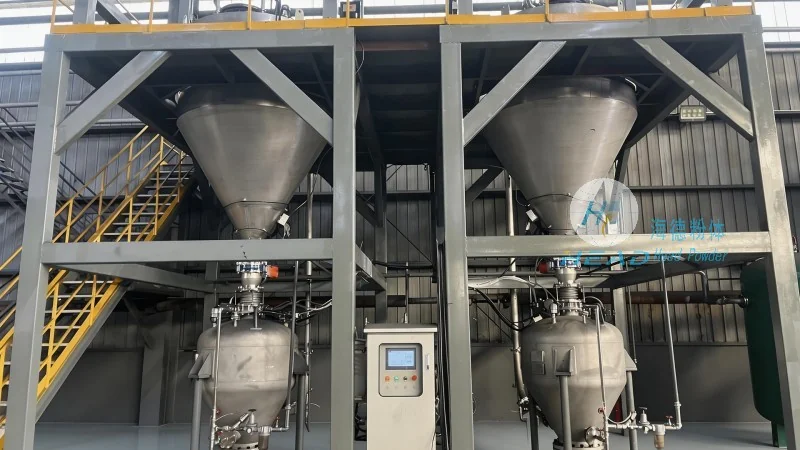
Step-by-Step Operation Process
The operation of the polypropylene granule pneumatic conveying system follows a systematic sequence to ensure consistent and reliable performance. The process begins with the filling of the storage hopper or silo with polypropylene granules. Once the hopper is filled, the rotary airlock valve is activated to allow a controlled flow of granules into the conveying line. Simultaneously, compressed air is introduced into the system, creating the necessary pressure differential to initiate the conveying process. As the granules enter the pipeline, they are entrained by the high-velocity air and transported to the receiver vessel. The receiver vessel is typically equipped with a discharge valve or rotary airlock to control the outflow of the material to the processing equipment. Throughout the operation, the system maintains a consistent air pressure and flow rate to ensure that the polypropylene granules are conveyed without segregation or degradation.
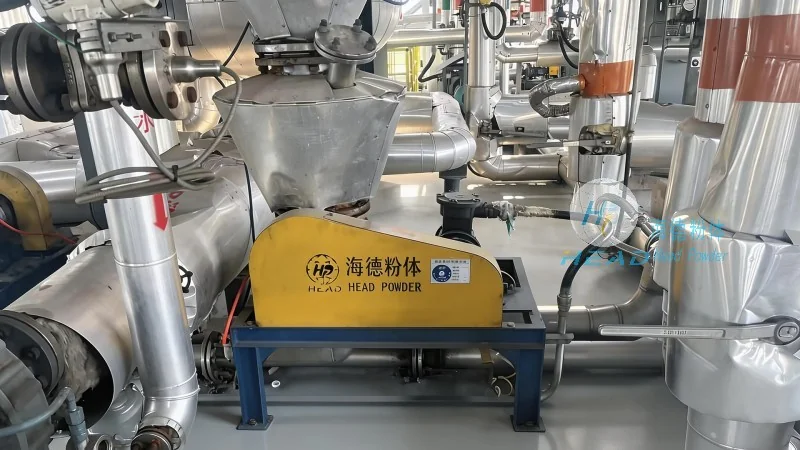
Advantages of Pneumatic Conveying for Polypropylene Granules
Utilizing pneumatic conveying systems for polypropylene granules offers several advantages over traditional mechanical conveying methods. These include reduced risk of material contamination due to enclosed systems, lower maintenance requirements as there are fewer moving parts, and the ability to transport materials over longer distances without the need for intermediate transfer points. Additionally, the system can be easily integrated with existing industrial processes, providing flexibility in plant layout and operation. The efficiency of the conveying process, combined with the reliability of the components, makes it an ideal solution for high-volume polypropylene handling applications.
Conclusion
HeadPowder's polypropylene granule pneumatic conveying equipment exemplifies advanced engineering and design, providing industrial users with a reliable and efficient solution for material transport. By understanding the operational process and working principles, users can optimize the system for their specific needs, ensuring consistent performance and minimal downtime. With its robust construction and adherence to industry standards, this equipment is a valuable asset for any facility handling polypropylene granules, contributing to improved productivity and operational efficiency.




