Organic salt, a vital raw material across multiple industrial sectors, demands efficient and reliable handling solutions to maintain seamless production workflows. The pneumatic conveying equipment engineered by Shandong HeadPowder Engineering Co., Ltd. delivers a robust system for transporting organic salts with precision, minimizing material loss and ensuring operational efficiency. This article explores the operating process and working principle of this specialized equipment, detailing its core components, operational steps, and technical advantages.
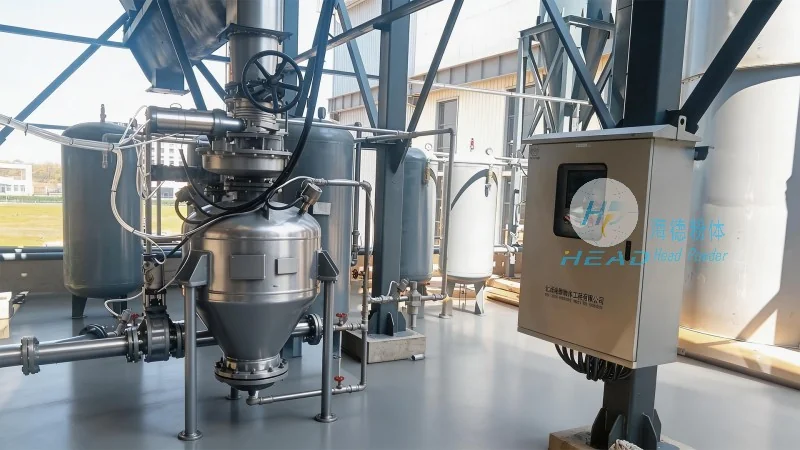
Overview of Organic Salt Pneumatic Conveying Equipment
Shandong HeadPowder Engineering Co., Ltd. specializes in designing and manufacturing advanced pneumatic conveying systems tailored for organic salt management. The equipment is built to accommodate the unique physical and chemical properties of organic salts—such as granular or powdery textures—ensuring safe and effective transport from storage to processing units. The system integrates several critical elements, including a hopper, feeder, air compressor, conveying line, and control system, forming a cohesive operation.
Key Components and Their Functions
The organic salt pneumatic conveying system operates through a combination of mechanical and pneumatic forces. Its primary components include:
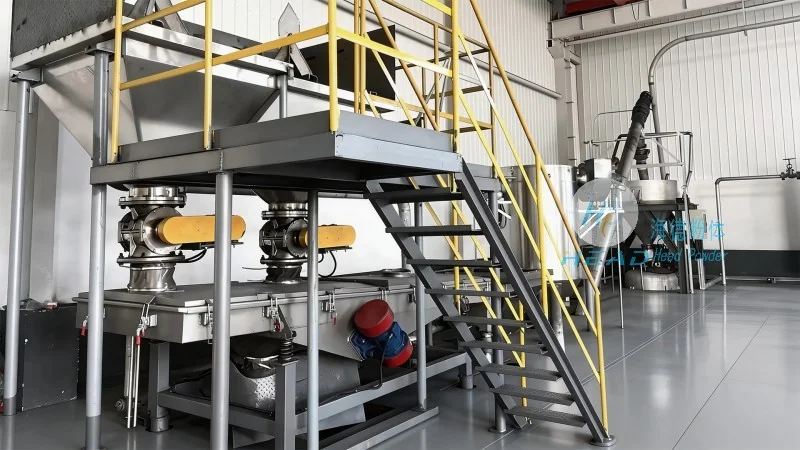
- Hopper: A storage vessel that holds the organic salt, enabling controlled feeding into the system. The hopper features a smooth interior to prevent material buildup and ensure consistent flow.
- Feeder: A device that regulates the flow rate of organic salt from the hopper into the conveying line. This component is essential for maintaining a steady material supply, avoiding disruptions from overfeeding or underfeeding.
- Air Compressor: The system's core, the air compressor generates the necessary pressure and airflow to move organic salt particles through the line. Selection depends on material characteristics and conveying distance, ensuring optimal performance.
- Conveying Line: A network of pipes or ducts that transport organic salt particles mixed with air. Constructed from corrosion- and abrasion-resistant materials, it is suitable for organic salt's chemical properties.
- Control System: An automated system monitoring and regulating operation. It includes sensors for pressure, flow rate, and material level, with control panels adjusting settings and responding to process deviations.
Operating Process of the Pneumatic Conveying System
The operation begins with organic salt loaded into the hopper. The feeder controls discharge rate, feeding material into the conveying line. Simultaneously, the air compressor produces high-pressure air, introduced at the hopper inlet. Air and organic salt particles mix, creating a slurry-like flow that propels the material through the line.
As the mixture travels, it encounters bends, valves, and filters to maintain flow and prevent blockages. The control system continuously monitors pressure and flow, adjusting air supply for optimal conditions. At the destination, organic salt is discharged into a receiving hopper or processing unit. The air, now separated from the material, is filtered and recycled to the compressor, minimizing energy waste.
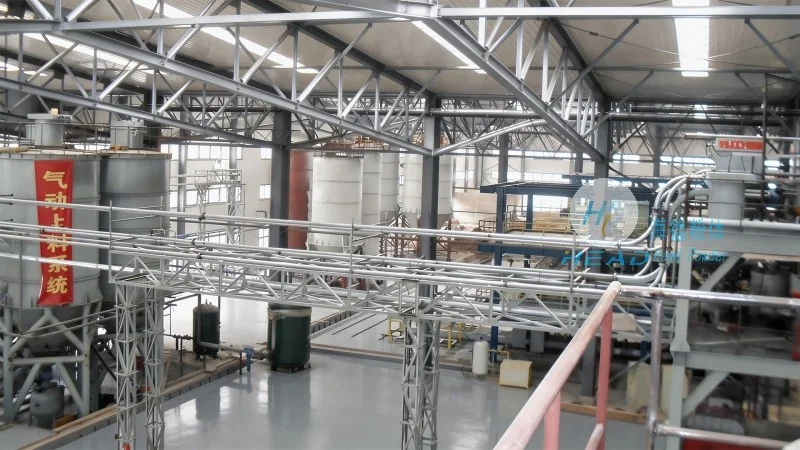
Working Principle: Pneumatic Conveying Mechanics
The system’s working principle relies on fluidization and drag force. When air is introduced at sufficient velocity, it lifts and transports organic salt particles. The air flow creates a low-pressure zone, drawing material from the hopper into the system. Particles are suspended in the air stream, moving along the line until deposition at the end.
This method excels for organic salts, handling fine powders and granules without mechanical components that could degrade or contaminate the material. The enclosed system reduces contamination risk and minimizes dust generation, enhancing workplace safety and environmental compliance.
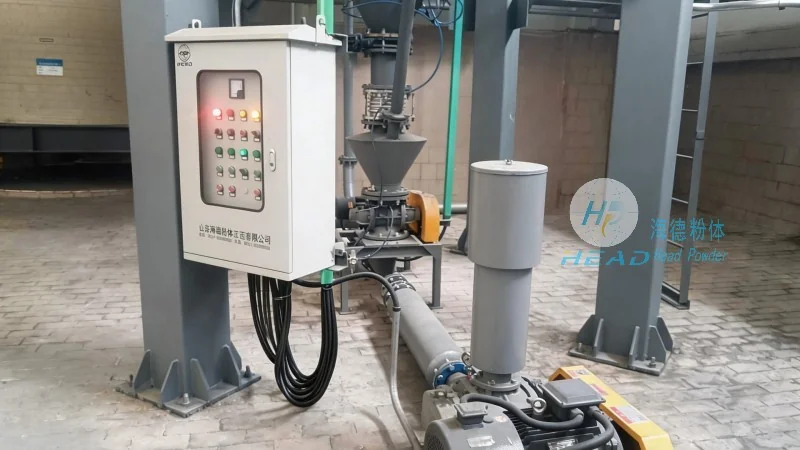
Advantages of the Organic Salt Pneumatic Conveying Equipment
The equipment offers several advantages over traditional mechanical conveyors:
- Efficiency and Speed: Rapid, continuous transport boosts production throughput and reduces downtime.
- Low Maintenance: Fewer moving parts lower operational costs and improve reliability.
- Flexibility: Easy reconfiguration to adapt to changing production requirements.
- Reduced Product Loss: Enclosed design minimizes spillage and material loss.
- Improved Safety: Lowers dust explosion and inhalation hazards by containing material.
Conclusion
Shandong HeadPowder Engineering Co., Ltd. provides advanced organic salt pneumatic conveying equipment that effectively addresses industrial handling challenges. By understanding the operating process and working principle, users appreciate its efficiency, reliability, and safety. The system’s design—with integrated hopper, feeder, air compressor, and control system—ensures smooth, consistent transport of organic salt, supporting productivity and quality. With robust construction and innovative technology, this equipment is a valuable asset for companies dealing with organic salts, offering a reliable solution for material handling needs.




