Automatic pneumatic conveying lines represent a sophisticated and efficient method for transporting bulk materials over long distances within industrial settings. Developed by Shandong HeadPowder Engineering Co., Ltd., a leading manufacturer based in China, these systems integrate advanced engineering principles to ensure reliable material handling with minimal human intervention. The design of such lines is tailored to meet the specific requirements of various industries, including food processing, pharmaceuticals, and chemical manufacturing, where maintaining product integrity and operational efficiency are paramount.
The Operation Process of Automatic Pneumatic Conveying Lines
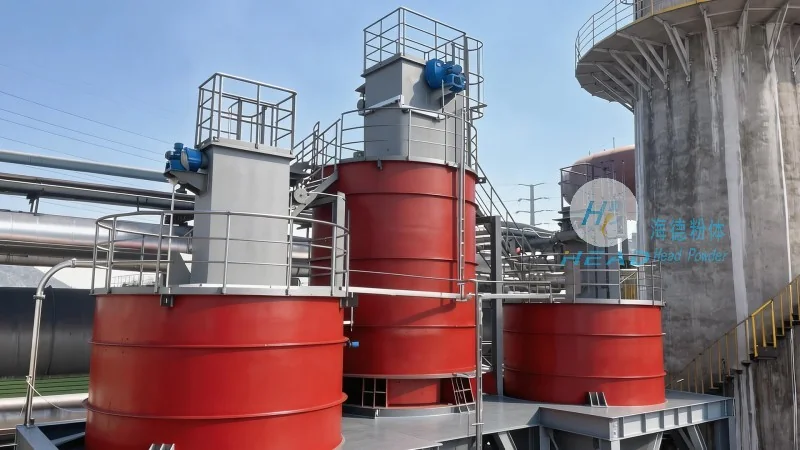
The operation of an automatic pneumatic conveying line involves a series of coordinated steps that ensure seamless material transfer from the source to the destination. Initially, bulk materials are loaded into the hopper or feeding hopper, where they are prepared for transport. The system then uses a combination of positive pressure or negative pressure (suction) to create a flow of air and material through the pipeline. As the material is drawn or pushed through the system, it is carried by the air stream, which is controlled by the system's pressure and flow rate settings. The conveying line typically includes components such as a blower or vacuum pump, a filter system to maintain air quality, and a discharge hopper at the receiving end. The entire process is automated, with sensors and control systems monitoring parameters like pressure, flow, and material level to ensure optimal performance. This automation minimizes downtime and reduces the risk of human error, making it a preferred solution for high-volume material handling applications.
Working Principle of Automatic Pneumatic Conveying Lines
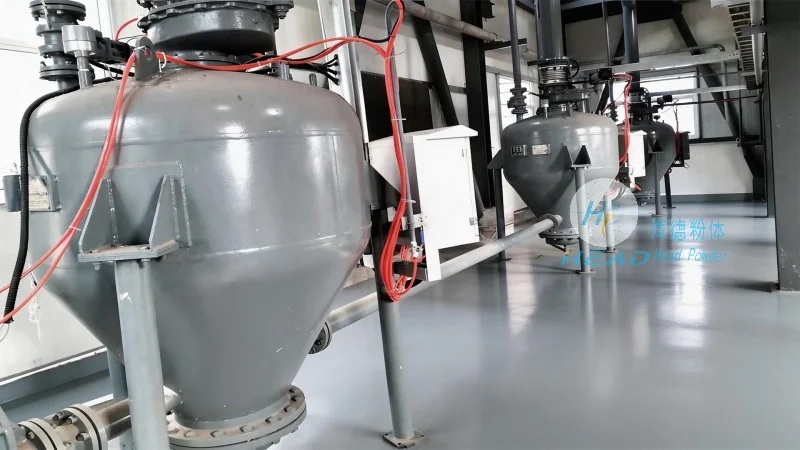
The working principle of automatic pneumatic conveying lines is based on the fundamental physics of fluid dynamics and material transport. In positive pressure systems, a blower generates a high-pressure air stream that propels the material through the pipeline. The air and material mixture travels through the conveying line, with the air providing the necessary force to move the material. The system is designed to maintain a consistent air velocity, which is critical for preventing material segregation and ensuring uniform transport. In contrast, negative pressure (suction) systems use a vacuum pump to create a low-pressure environment that draws the material and air into the pipeline. Both systems rely on the principle of air as a carrier medium, where the air's kinetic energy is used to transport the material efficiently. The design of the conveying line, including the pipe diameter, length, and bends, is optimized to minimize pressure loss and energy consumption. Additionally, the system incorporates filtration and separation mechanisms to remove any fine particles or contaminants from the air stream, ensuring that the conveyed material remains clean and free from impurities. This combination of engineering principles and automation results in a highly effective and reliable material handling solution.
Key Components and Their Functions
Automatic pneumatic conveying lines consist of several key components that work in harmony to achieve efficient material transport. The primary components include the hopper or feeding device, which stores and prepares the bulk material for transport. The blower or vacuum pump provides the necessary air pressure or suction to move the material through the pipeline. The conveying pipeline, typically made of stainless steel or other corrosion-resistant materials, is designed to withstand the pressures and temperatures associated with the material being conveyed. The filter system, often located at the discharge end, removes any fine particles or dust from the air stream, preventing contamination and maintaining air quality. The control system, which may include sensors for pressure, flow, and material level, monitors the operation of the entire line and adjusts parameters as needed to maintain optimal performance. The discharge hopper or receiver collects the material at the end of the conveying line, ensuring that it is delivered to the intended destination. Each component is carefully selected and integrated to ensure that the system operates efficiently and reliably, with minimal maintenance requirements.
Benefits of Using Automatic Pneumatic Conveying Lines
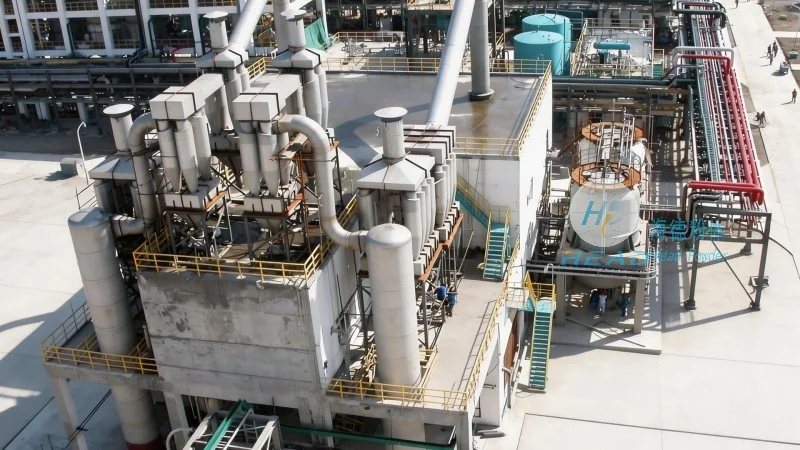
Implementing automatic pneumatic conveying lines offers numerous benefits for industrial operations. One of the primary advantages is the significant reduction in labor costs, as the system operates with minimal human intervention. This automation also minimizes the risk of human error, ensuring consistent and reliable material handling. The systems are designed to maintain product integrity, which is crucial for industries such as food and pharmaceuticals, where contamination or degradation of the material can have serious consequences. Additionally, automatic pneumatic conveying lines are highly flexible and can be easily integrated into existing production lines, allowing for seamless expansion or modification of the system as needed. The energy efficiency of these systems is another key benefit, as they are designed to minimize energy consumption while maximizing material throughput. Finally, the compact design of the conveying lines allows for installation in limited spaces, making them suitable for facilities with restricted floor space. Overall, the use of automatic pneumatic conveying lines enhances operational efficiency, reduces costs, and improves product quality, making them an essential component of modern industrial material handling.




