HeadPowder, a leading manufacturer based in Shandong, China, specializes in the design, production, and supply of advanced dry mix mortar pneumatic conveying equipment. This article provides a comprehensive overview of the operation process and working principle of such equipment, highlighting its key components, operational flow, and technical advantages.
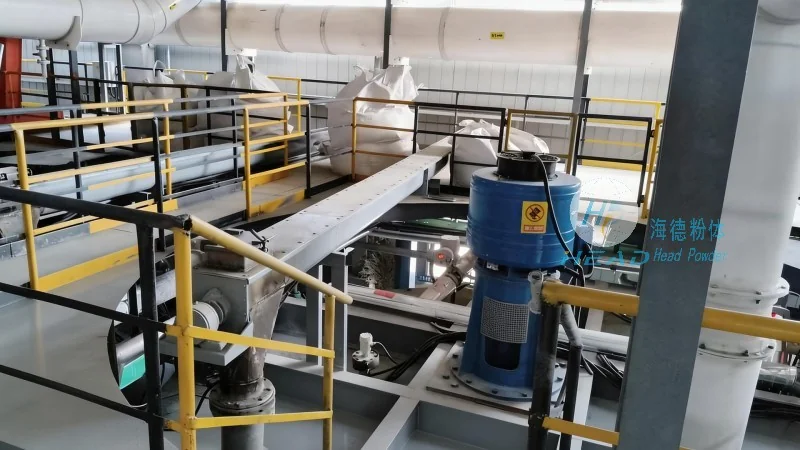
Overview of Dry Mix Mortar Pneumatic Conveying Equipment
Dry mix mortar pneumatic conveying systems are engineered to efficiently transport dry powder materials, such as cement, sand, and additives, from storage silos or production lines to mixing stations or construction sites. These systems utilize air as the primary medium to move materials through a network of pipes and components, ensuring a dust-free, continuous, and reliable transfer process. The equipment is widely adopted in the construction industry due to its ability to handle bulk materials with minimal human intervention and reduced environmental impact.
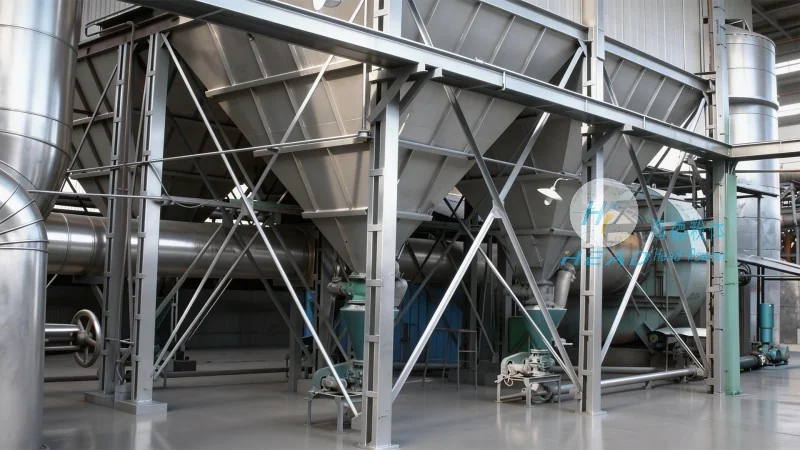
Key Components of the Pneumatic Conveying System
The dry mix mortar pneumatic conveying system consists of several critical components that work in tandem to achieve effective material transport. These include: (1) Material Hopper: A storage container that holds the dry mix mortar before it is fed into the system. It is equipped with a feeding mechanism to control the flow rate of the material. (2) Air Blower: A high-pressure or low-pressure fan that generates the necessary airflow to move the material through the pipeline. The air blower is responsible for creating the pressure differential required for conveying. (3) Conveying Pipe: A network of pipes that forms the main pathway for the material and air mixture. The pipe diameter and length are carefully designed to optimize the conveying efficiency and minimize pressure loss. (4) Solenoid Valve: A control device that regulates the airflow and material flow by opening and closing the pipeline at specific intervals. It ensures the smooth operation of the system and prevents backflow. (5) Filter and Dust Collector: A system that captures and separates the fine particles from the air stream, ensuring compliance with environmental regulations and maintaining air quality. (6) Discharge Valve: A valve at the end of the pipeline that controls the release of the material into the target container or mixing station. It allows for precise control over the discharge rate.
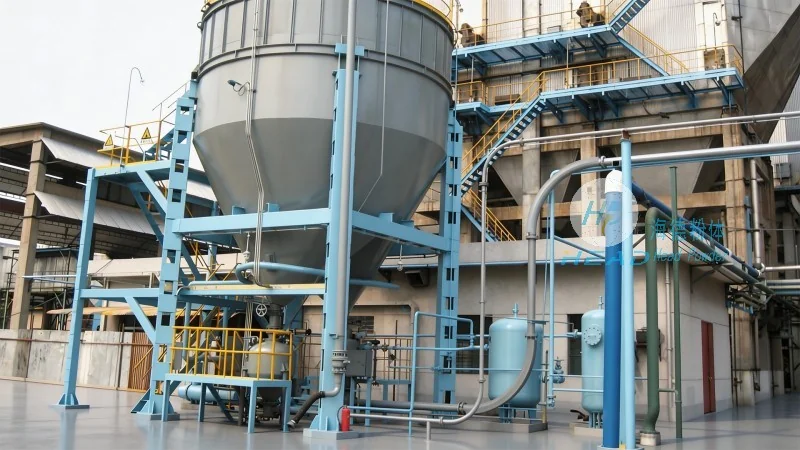
Operation Process of the Pneumatic Conveying Equipment
The operation of the dry mix mortar pneumatic conveying equipment follows a systematic sequence to ensure efficient material transfer. The process begins with the loading of the dry mix mortar into the material hopper. The feeding mechanism then controls the flow of the material into the conveying pipe. Simultaneously, the air blower starts operating, generating the required airflow. The solenoid valve opens to allow the air and material mixture to enter the pipe. As the mixture travels through the conveying pipe, the air pressure propels the material forward. The filter and dust collector continuously remove dust particles from the air stream, ensuring clean air is discharged. Upon reaching the discharge point, the solenoid valve closes, and the discharge valve opens to release the material into the target container. The cycle repeats as needed, maintaining a continuous and stable conveying operation.
Working Principle of the Pneumatic Conveying System
The working principle of the dry mix mortar pneumatic conveying system is based on the fundamental concept of fluidization and air pressure. When the air blower supplies compressed air into the conveying pipe, it creates a pressure difference between the hopper and the discharge point. This pressure differential causes the dry mix mortar particles to become suspended in the air stream, forming a dense phase flow. The air velocity within the pipe is maintained at a level sufficient to keep the particles in suspension without causing excessive wear on the pipe or components. The system operates in either positive pressure or negative pressure mode, depending on the application and system design. In positive pressure systems, the air is forced into the pipe, pushing the material forward. In negative pressure systems, the air is drawn out of the pipe, pulling the material along. The choice of mode depends on factors such as material characteristics, pipeline length, and the need to prevent dust leakage.
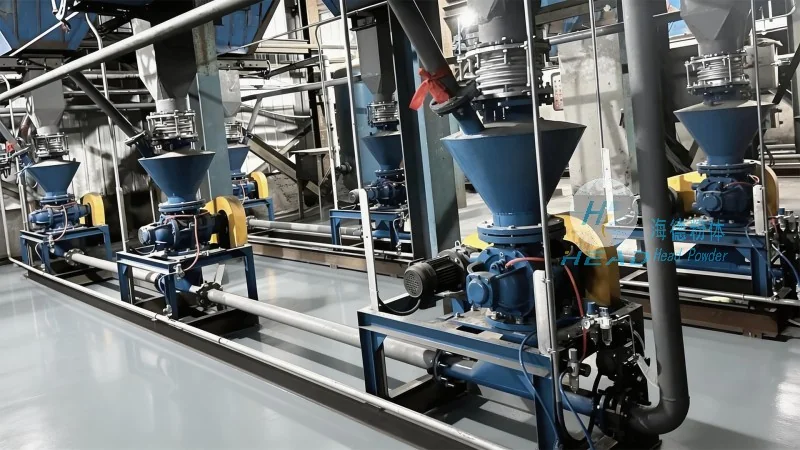
Technical Advantages and Applications
Dry mix mortar pneumatic conveying equipment offers several technical advantages that make it an ideal solution for bulk material transport in the construction industry. These advantages include: (1) High Efficiency: The system can transport large volumes of material at a consistent rate, reducing the time and labor required for material handling. (2) Dust-Free Operation: The enclosed system and filtration process minimize dust emissions, improving workplace safety and environmental compliance. (3) Versatility: The equipment can handle a wide range of dry materials, including cement, sand, and additives, with minimal adjustments to the system parameters. (4) Reduced Maintenance: The design of the components, such as the air blower and conveying pipe, is optimized to withstand the abrasive nature of the materials, reducing the frequency of maintenance and replacement. (5) Scalability: The system can be easily scaled up or down to meet the varying demands of different construction projects, from small-scale residential applications to large-scale commercial developments.




