Graphite powder pneumatic conveying lines represent a sophisticated solution for the efficient handling and transportation of graphite powder in industrial settings. As a key component in various manufacturing processes, these systems leverage pneumatic technology to move graphite powder from one location to another with precision and reliability. This article explores the underlying principles of such systems and highlights the distinct characteristics of their working environments.
Understanding the Core Principles of Pneumatic Conveying for Graphite Powder
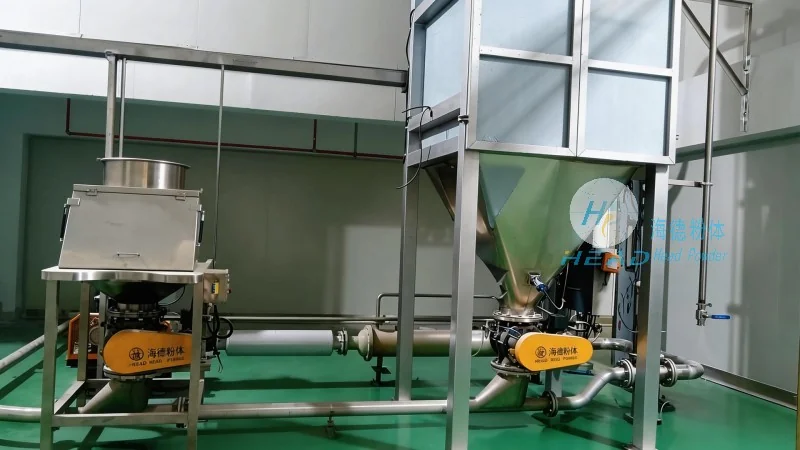
The fundamental principle of pneumatic conveying involves the use of compressed air or gas to transport solid particles, such as graphite powder, through a pipeline. In a typical system, the graphite powder is introduced into a hopper or feeder, where it is then drawn into a pipeline by the force of the moving air. The air flow creates a negative pressure or positive pressure environment, depending on the system design, which propels the powder along the pipeline. This method eliminates the need for mechanical components like belts or screws, reducing maintenance requirements and enhancing operational efficiency. The choice between positive and negative pressure systems depends on factors like the distance to be covered, the volume of material, and the desired flow rate. For graphite powder, which is often fine and can be prone to dusting, a well-designed pneumatic system ensures minimal product degradation and consistent performance.
Key Working Scene Characteristics of Graphite Powder Pneumatic Conveying Lines
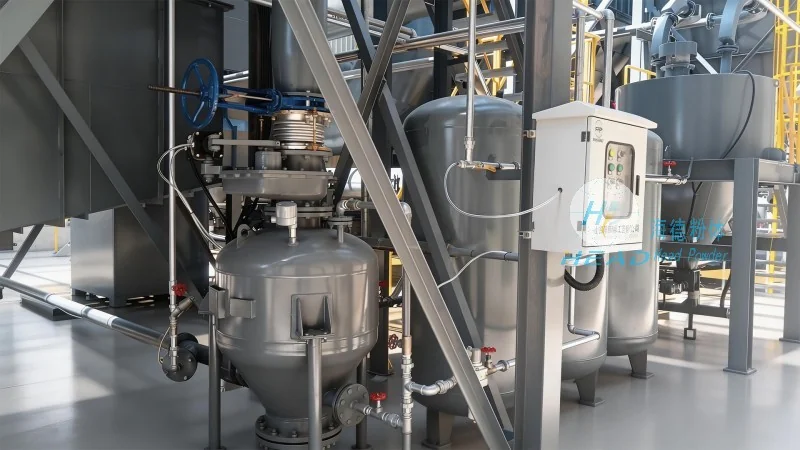
The working environment of graphite powder pneumatic conveying lines is characterized by several critical factors that influence system performance and application suitability. Firstly, the material's physical properties, including its particle size, density, and flowability, play a significant role. Graphite powder, being a fine, dry material, requires systems with precise air flow control to prevent blockages and ensure smooth transport. Secondly, the system's design must accommodate the potential for dust generation and the need for dust control measures, such as filtration and containment, to maintain air quality and comply with safety regulations. In industrial settings, these conveying lines are often integrated into larger production workflows, connecting raw material storage, processing units, and packaging or end-use applications. The working scene may vary from high-volume manufacturing plants, where continuous operation is essential, to smaller-scale production facilities that require flexibility and adaptability. Additionally, the environmental conditions, such as temperature and humidity, can impact the performance of the conveying system, necessitating appropriate material selection for components like pipelines, valves, and filters. The integration of advanced control systems, such as variable frequency drives and real-time monitoring, further enhances the operational efficiency and reliability of these systems in diverse working environments.
Applications and Industry-Specific Use Cases
Graphite powder pneumatic conveying lines find extensive applications across multiple industries, leveraging the unique properties of graphite powder. In the battery manufacturing sector, for instance, these systems are crucial for transporting graphite powder to electrode production lines, where it is used as a key component in lithium-ion batteries. The precision and cleanliness of pneumatic conveying are vital in ensuring the quality of the final battery products. Similarly, in the lubricant and coating industries, graphite powder is used to enhance the performance of lubricants and protective coatings, and pneumatic conveying lines facilitate the efficient transfer of this material to production equipment. Other applications include the production of graphite-based composites, where the uniform distribution of graphite powder is essential for achieving desired mechanical properties. The working scene in these industries often involves high-speed, continuous production lines, requiring conveying systems that can handle high volumes and maintain consistent material quality. The adaptability of pneumatic conveying lines to different production scales and material characteristics makes them a preferred choice for manufacturers seeking reliable and efficient material handling solutions.
Advantages and Considerations for Implementing Graphite Powder Pneumatic Conveying Systems
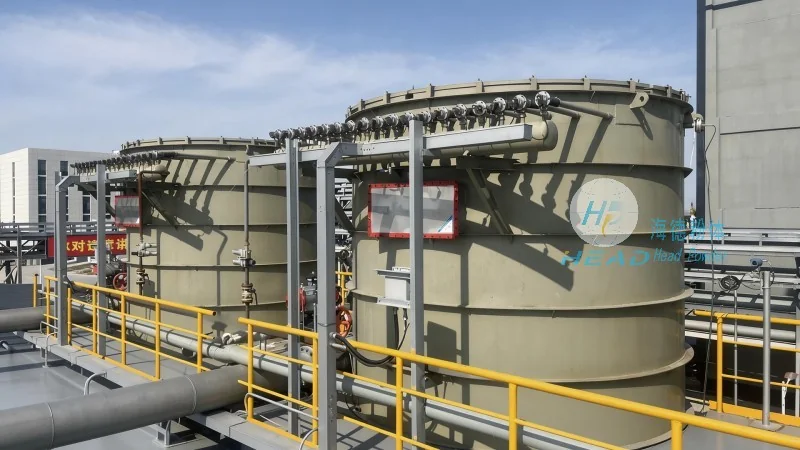
Implementing a graphite powder pneumatic conveying system offers several advantages that make it an attractive option for industrial applications. One of the primary benefits is the elimination of mechanical wear and tear, as there are no moving parts in direct contact with the powder. This reduces maintenance costs and extends the lifespan of the system. Additionally, pneumatic conveying allows for the transportation of graphite powder over long distances without the need for intermediate storage or handling, streamlining production processes. The system's ability to handle fine powders and prevent product contamination is another significant advantage, especially in industries where product purity is critical. Shandong HeadPowder Engineering Co., Ltd., a leading provider of material handling solutions, emphasizes the importance of proper system design and maintenance for optimal performance. The company’s expertise in pneumatic conveying technology ensures that systems are tailored to meet the specific needs of clients, whether in battery manufacturing, lubricant production, or other graphite-based applications. However, there are considerations to keep in mind when selecting or operating such systems. The initial investment cost can be higher compared to traditional mechanical conveying systems, and the energy consumption due to compressed air usage must be managed effectively. Furthermore, the system's performance is highly dependent on proper air flow control and system design, requiring expertise in material handling engineering. Proper maintenance, including regular cleaning of filters and checking for air leaks, is essential to ensure optimal performance and prevent system failures.
Conclusion: The Role of Graphite Powder Pneumatic Conveying Lines in Modern Manufacturing
In conclusion, graphite powder pneumatic conveying lines are a vital technology in modern industrial applications, providing efficient and reliable transportation of graphite powder. By understanding the core principles of pneumatic conveying and the specific characteristics of working environments, manufacturers can optimize their material handling processes. The integration of advanced control systems and adherence to safety and quality standards further enhances the effectiveness of these systems. As the demand for high-quality graphite products continues to grow, the importance of efficient material handling solutions like pneumatic conveying lines will only increase. For businesses operating in industries that rely on graphite powder, investing in a well-designed and properly maintained pneumatic conveying system is a strategic decision that can improve operational efficiency, reduce costs, and ensure product quality.




