Operation Process and Working Principle of Fine Chemical Pneumatic Conveying Lines
Release time:2026-09-20 08:01:34
name of the company:Shandong Headpowder Engineering Co., Ltd.
telephone:156-6277-7102
contacts:Zhang manager
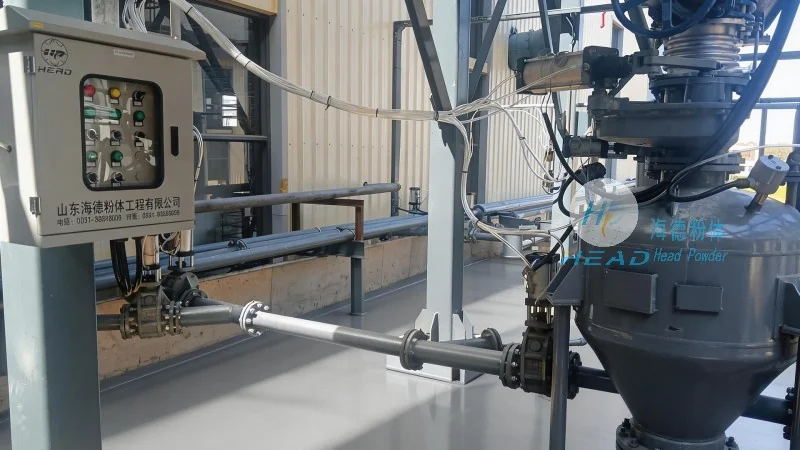
Shandong HeadPowder Engineering Co., Ltd. (headpowder), a professional manufacturer based in Shandong, China, specializes in the design, production, and installation of pneumatic conveying systems for fine chemicals. These systems are crucial for efficiently transporting powders and granules in industries such as pharmaceuticals, food processing, and chemical manufacturing. This article provides a detailed overview of the operation process and working principles of fine chemical pneumatic conveying lines, highlighting key components and operational steps.
Introduction to Fine Chemical Pneumatic Conveying Systems
Pneumatic conveying lines for fine chemicals utilize air or other gases to transport material particles through a pipeline network. The primary objective is to move powders and granules from a source to a destination while preserving product integrity, minimizing contamination, and ensuring efficient operation. The systems are engineered to handle materials with diverse properties, including low bulk density, high moisture content, or sensitive chemical compositions.
Key Components of a Fine Chemical Pneumatic Conveying Line
The effective operation of a fine chemical pneumatic conveying line relies on several critical components working in unison. These include:
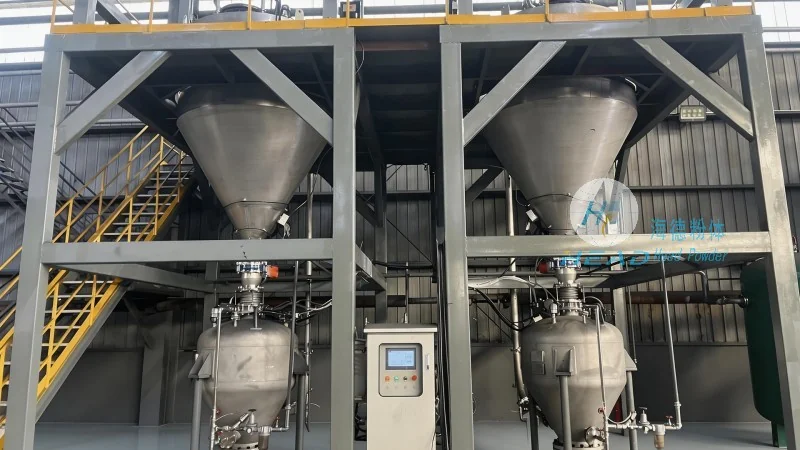
- Feeding System: This component, typically a hopper or feeder, ensures a consistent and controlled flow of material into the conveying pipeline. The design of the feeder is essential to prevent material bridging or clogging, which can disrupt the entire system.
- Conveying Pipeline: The pipeline is usually constructed from stainless steel or corrosion-resistant plastic to withstand the chemical properties of fine chemicals and ensure durability. The pipeline diameter and length are carefully selected based on the material's characteristics and the required conveying distance.
- Air Supply System: This system generates the necessary air pressure and flow rate to move the material. It typically includes a blower or compressor, air filters, and pressure regulators to maintain optimal conditions.
- Separation System: After the material is transported, a separation system, such as a cyclone or bag filter, removes the material from the air stream. This step is vital for maintaining product purity and preventing dust emissions.
- Control System: The control system monitors and regulates the operation of all components, ensuring that the conveying process runs smoothly and efficiently. It may include sensors for pressure, flow, and material level, as well as automated controls to adjust parameters as needed.
Working Principle of Pneumatic Conveying
The working principle of a fine chemical pneumatic conveying line is based on the creation of a pressure differential between the inlet and outlet of the pipeline. The air supply system introduces air into the pipeline at a high velocity, creating a suction effect at the inlet where the material is fed. This suction pulls the material particles into the air stream, allowing them to be suspended and transported through the pipeline. The air velocity is carefully controlled to ensure that the material particles are fully suspended without causing excessive wear on the pipeline or equipment.
Operation Process of a Fine Chemical Pneumatic Conveying Line
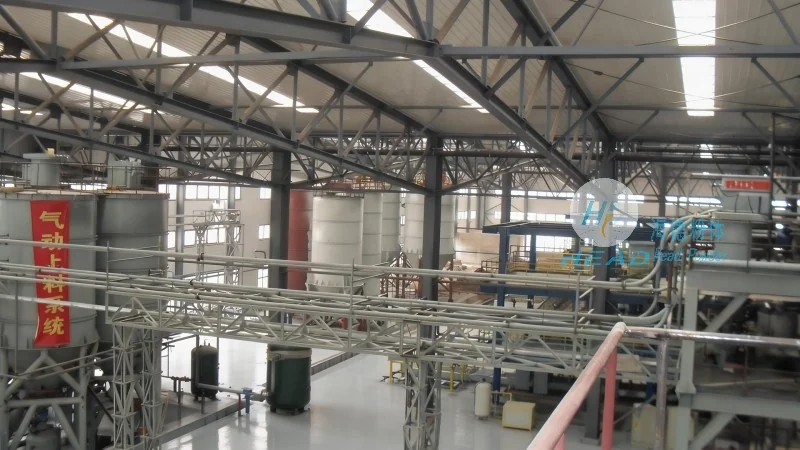
The operation process of a fine chemical pneumatic conveying line can be broken down into sequential steps:
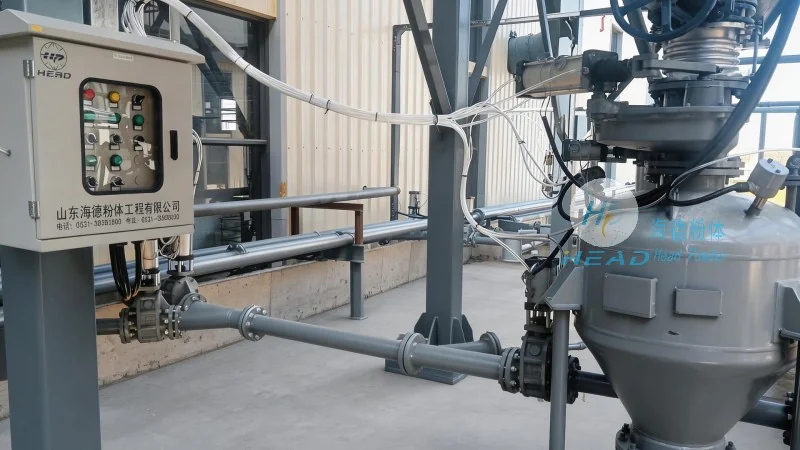
- Material Feeding: The material is introduced into the hopper or feeder. The feeder ensures a consistent flow rate, which is critical for maintaining the stability of the conveying process. The material is then discharged into the conveying pipeline.
- Air Intake and Material Suspension: The air supply system generates the required air pressure and flow rate. The air is introduced into the pipeline, creating a high-velocity stream that suspends the material particles. The material is carried along the pipeline by the moving air.
- Transportation: The material is transported through the pipeline to the destination point. The pipeline design, including bends and fittings, is optimized to minimize pressure loss and prevent material deposition.
- Separation and Discharge: At the destination, the separation system removes the material from the air stream. The separated material is then discharged into a storage tank or processing equipment. The air, now free of material particles, is either recirculated or vented to the atmosphere.
Ensuring Efficiency and Safety
Efficiency and safety are paramount in the operation of fine chemical pneumatic conveying systems. The systems are designed with features such as explosion-proof motors and pressure relief valves to prevent accidents. Regular maintenance and inspections are essential to ensure the longevity and reliability of the equipment. Additionally, the use of proper filtration and cleaning procedures maintains the purity of the material and prevents contamination.
Conclusion
Shandong HeadPowder Engineering Co., Ltd. specializes in providing high-quality fine chemical pneumatic conveying lines that meet the specific needs of various industries. The company's expertise in design and manufacturing ensures that the systems are efficient, reliable, and safe for handling fine chemicals. By understanding the operation process and working principles of these systems, users can optimize their material handling processes and enhance overall productivity.




