For industrial applications involving the transport of sand particles, pneumatic conveying systems offer an efficient and reliable solution. This article delves into the operation process and working principle of such equipment, providing a comprehensive understanding of how it functions to move sand particles from one location to another. The discussion will cover key components, the step-by-step operation, and the underlying principles that ensure effective and safe material handling.
Introduction to Sand Particle Pneumatic Conveying
Sand particle pneumatic conveying equipment is a critical piece of machinery used in various industries, including construction, mining, and manufacturing. It enables the transport of sand particles through a pipeline using air or other gases as the conveying medium. This method is preferred over traditional methods like belt conveyors or bucket elevators due to its ability to handle abrasive materials like sand without causing wear and tear on the equipment. The system is designed to maintain the integrity of the sand particles while ensuring minimal loss and contamination.
Key Components of the Pneumatic Conveying System
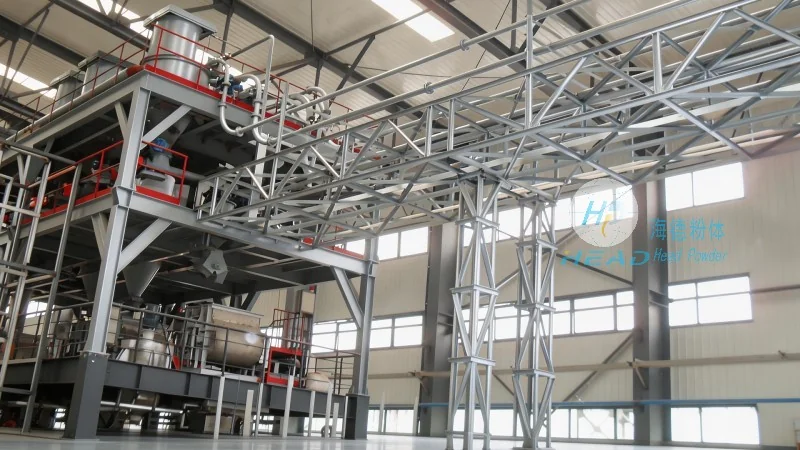
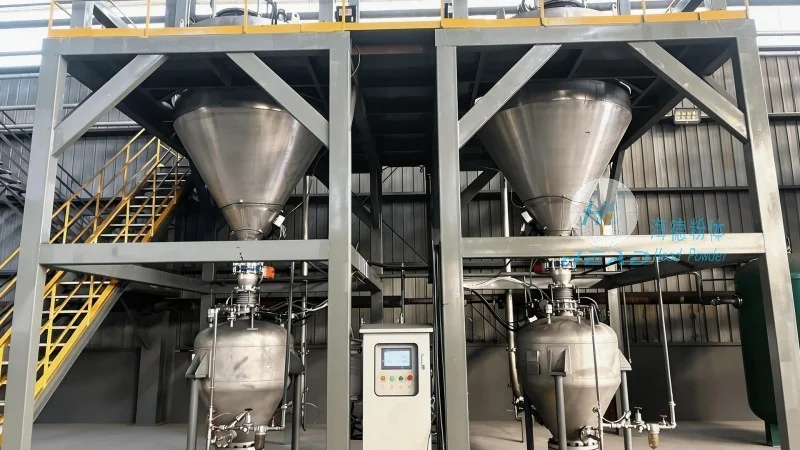
The pneumatic conveying system for sand particles consists of several essential components that work in tandem to achieve the desired transport. These components include the hopper, feeder, air compressor, conveying pipeline, and receiver. Each component plays a crucial role in the overall operation. The hopper serves as the storage container for the sand, providing a consistent feed to the feeder. The feeder regulates the flow of sand into the pipeline, ensuring a controlled and steady supply. The air compressor generates the necessary pressure and airflow to move the sand particles through the pipeline. The conveying pipeline is where the actual transport occurs, with the sand particles suspended in the air stream. The receiver at the end of the pipeline collects the sand at the destination point, completing the process.
Operation Process of the Sand Particle Pneumatic Conveying Equipment
The operation of the sand particle pneumatic conveying equipment follows a systematic process that ensures efficient material transport. The process begins with the sand being loaded into the hopper. The feeder then starts to discharge the sand into the conveying pipeline at a controlled rate. Simultaneously, the air compressor activates and generates a high-pressure air stream. This air stream travels through the pipeline, creating a vacuum or pressure differential that propels the sand particles forward. As the sand particles enter the pipeline, they are suspended in the air stream, moving along with the airflow. The receiver at the end of the pipeline collects the sand as it is discharged from the air stream. The system maintains a consistent flow by adjusting the feeder speed and air pressure as needed to handle variations in sand volume or pipeline length.
Working Principle of the Pneumatic Conveying System
The working principle of the sand particle pneumatic conveying system is based on the principle of fluidization and suspension. When air is introduced into the conveying pipeline at a sufficient velocity, it creates a fluidized state where the sand particles are suspended in the air stream. This suspension allows the particles to move freely along the pipeline without settling or causing blockages. The key to effective conveying is achieving the correct air velocity and pressure. If the air velocity is too low, the sand particles may settle and cause clogging. If it is too high, excessive energy consumption occurs and may lead to particle degradation. The system is designed to optimize these parameters to ensure efficient and safe transport of sand particles.
Advantages of Using Pneumatic Conveying for Sand Particles
Employing pneumatic conveying equipment for sand particles offers several advantages over traditional transport methods. Firstly, it provides a dust-free and clean transport process, which is crucial for maintaining the quality of the sand and preventing contamination. Secondly, the system is capable of handling abrasive materials like sand without causing significant wear on the equipment components. This reduces maintenance costs and extends the lifespan of the machinery. Thirdly, pneumatic conveying allows for the transport of sand over long distances with minimal loss, making it suitable for large-scale industrial applications. Additionally, the system can be easily integrated into existing production lines, providing flexibility and adaptability to various operational needs.
Applications and Industries Using Sand Particle Pneumatic Conveying
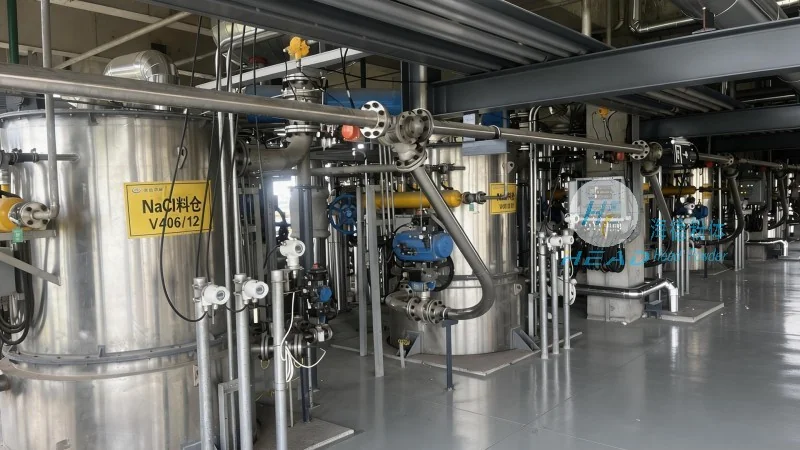
The sand particle pneumatic conveying equipment is widely used in various industries where the transport of sand is required. In the construction industry, it is used to transport sand from storage facilities to construction sites for concrete mixing and other applications. In the mining industry, it is employed to move sand from mining sites to processing plants for further treatment. The manufacturing industry also utilizes this equipment to transport sand for the production of various products, such as glass, ceramics, and refractory materials. The versatility of the system makes it suitable for a wide range of applications, catering to the diverse needs of different industries.
Maintenance and Safety Considerations
Proper maintenance and safety measures are essential to ensure the reliable and safe operation of the sand particle pneumatic conveying equipment. Regular maintenance includes checking the air compressor for proper performance, inspecting the conveying pipeline for any signs of wear or blockages, and cleaning the hopper and receiver to prevent clogging. Safety considerations include ensuring that the system is properly grounded to prevent electrical hazards, using appropriate personal protective equipment (PPE) when operating the equipment, and implementing safety interlocks to prevent accidental activation. Following these maintenance and safety guidelines helps to minimize downtime, reduce repair costs, and ensure the safety of personnel operating the equipment.
Conclusion
In conclusion, the operation process and working principle of sand particle pneumatic conveying equipment are designed to provide an efficient and reliable method for transporting sand particles in industrial applications. The system's components work together to achieve a consistent and controlled transport process, while the underlying principles ensure the integrity of the sand particles. The advantages of using this equipment, such as dust-free transport and handling of abrasive materials, make it a preferred choice for various industries. With proper maintenance and safety measures, the pneumatic conveying system can provide long-term performance and reliability, contributing to the overall efficiency of industrial operations.




