Graphite, a versatile material widely used in various industries, often requires processing into fine crushed powder for applications such as lubricants, electrodes, and composite materials. The efficient and reliable transport of this fine powder is crucial for maintaining product quality and operational efficiency. This article explores the concept of a graphite crushed powder conveying system and delves into its underlying design principles.
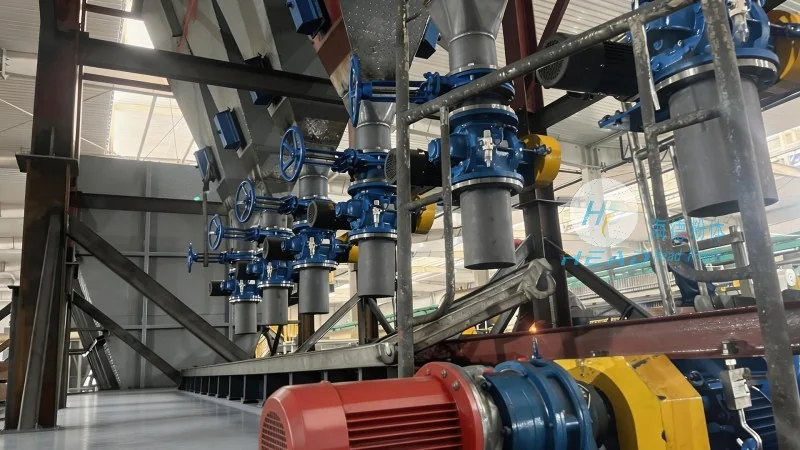
Introduction to Graphite Crushed Powder Conveying Systems
Graphite crushed powder conveying systems are specialized equipment designed to handle the transportation of fine graphite particles from one location to another within industrial processes. These systems are essential in industries like battery manufacturing, refractory production, and chemical processing, where the consistent and controlled movement of graphite powder is vital for downstream operations. The primary goal of such systems is to ensure that the powder is conveyed without degradation, segregation, or loss, maintaining its physical and chemical properties throughout the process.
About HeadPowder: A Leading Provider of Powder Handling Solutions
HeadPowder, a division of Shandong HeadPowder Engineering Co., Ltd., is a professional manufacturer and supplier specializing in advanced powder handling equipment. With a strong presence in China, particularly in Shandong, the company has established itself as a trusted partner for businesses seeking reliable solutions for material transport and processing. HeadPowder's expertise lies in designing and manufacturing systems tailored to the unique requirements of different industries, ensuring optimal performance and durability.
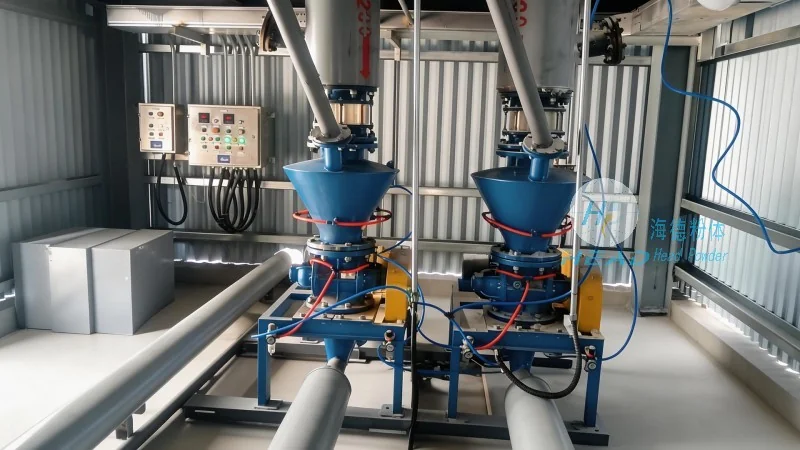
Key Components of a Graphite Crushed Powder Conveying System
The core components of a graphite crushed powder conveying system typically include feeders, conveyors, and control systems. Feeders are responsible for uniformly feeding the graphite powder into the conveying line, preventing blockages and ensuring a steady flow. Conveyors, which may be pneumatic or mechanical, transport the powder through the system. Pneumatic systems use air pressure to move the powder, while mechanical systems rely on belts, screws, or buckets. The choice of conveyor type depends on factors such as the powder's characteristics, the required conveying distance, and the desired level of control.
Design Principles for Efficient Graphite Powder Transport
The design of a graphite crushed powder conveying system is guided by several key principles aimed at maximizing efficiency and minimizing issues like dust generation, particle segregation, and equipment wear. One critical principle is the use of appropriate materials for construction to prevent corrosion or contamination from the graphite powder. Stainless steel or specialized coatings are often used for components that come into direct contact with the powder. Another principle is the incorporation of features that minimize friction and abrasion, as graphite is a relatively soft material that can wear down equipment over time. This includes using smooth surfaces and appropriate sealing mechanisms to reduce wear and extend the system's lifespan.
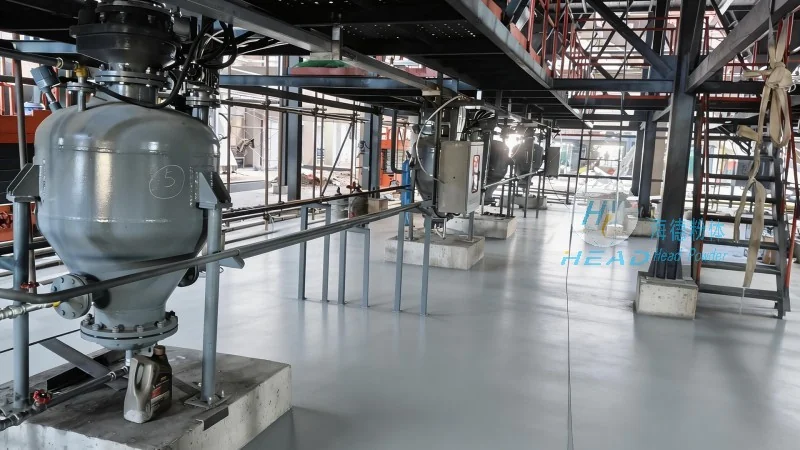
Control and Automation in Graphite Powder Conveying Systems
Modern graphite crushed powder conveying systems often incorporate advanced control and automation features to enhance operational efficiency and safety. These systems may include sensors to monitor powder levels, flow rates, and pressure, providing real-time data for process optimization. Automated controls can adjust the speed of feeders and conveyors based on demand, ensuring that the system operates at peak efficiency without overloading or underutilizing resources. Additionally, safety features such as dust suppression systems and emergency shut-off mechanisms are integrated to protect both personnel and the environment from potential hazards associated with fine powder handling.
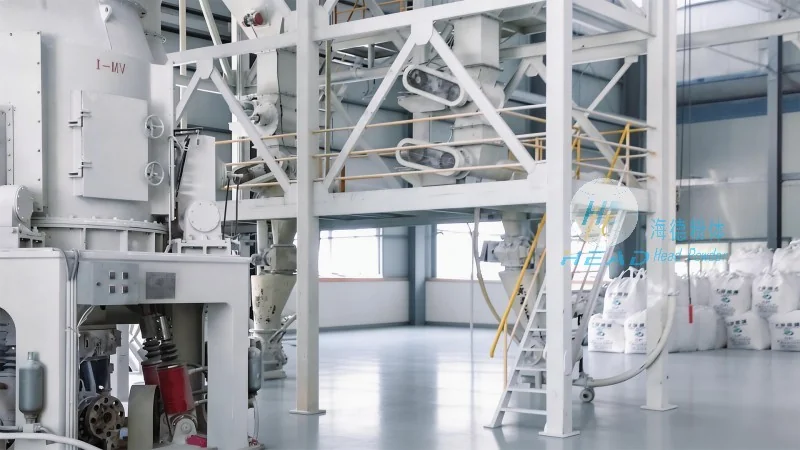
Applications and Benefits of Graphite Crushed Powder Conveying Systems
Graphite crushed powder conveying systems find applications in a wide range of industries where fine graphite powder is a key component. In battery manufacturing, for example, these systems are used to transport graphite powder to mixing and coating processes, ensuring consistent electrode production. In refractory production, the systems help deliver graphite powder to mixing and molding operations, contributing to the quality of refractory materials. The benefits of using such systems include improved process control, reduced material loss, and enhanced safety through minimized dust exposure. By maintaining the integrity of the graphite powder, these systems also help preserve its valuable properties, leading to higher-quality end products.
Conclusion and Future Outlook
Graphite crushed powder conveying systems are essential equipment for industries relying on fine graphite powder. The design principles and components of these systems are carefully engineered to ensure efficient, reliable, and safe transport of the material. With advancements in technology, future systems may incorporate even more sophisticated automation and control features, further improving performance and reducing operational costs. As the demand for high-quality graphite products continues to grow, the importance of reliable conveying systems will remain paramount, making them a critical investment for businesses in the graphite processing industry.




