What is a Polyvinyl Butyral Powder Handling System Equipment? And What Are Its Design Principles?
Release time:2026-09-14 21:09:16
name of the company:Shandong Headpowder Engineering Co., Ltd.
telephone:156-6277-7102
contacts:Zhang manager
Polyvinyl butyral (PVB) is a widely used polymer in various industries, including automotive glass, adhesives, and coatings. The efficient handling and transportation of PVB powder are crucial for maintaining product quality and operational efficiency. This article explores the polyvinyl butyral powder handling system equipment, detailing its components, operational mechanisms, and the underlying design principles that ensure reliable performance.
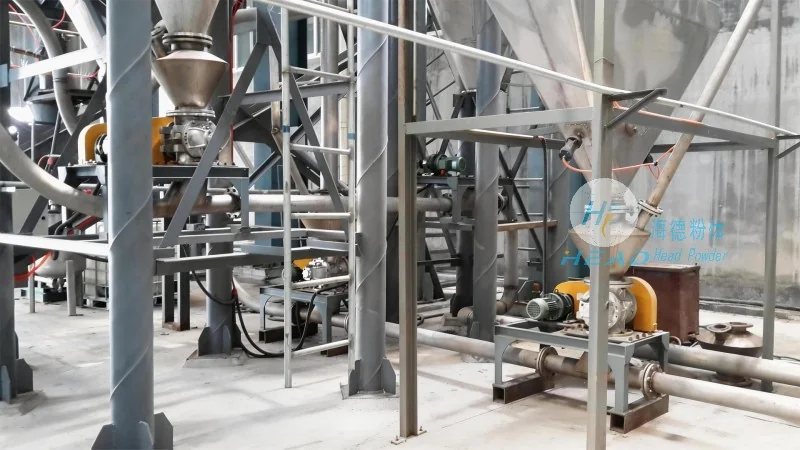
PVB Powder Handling System Equipment: An Overview
PVB powder handling systems are specialized equipment designed to transport, store, and manage PVB powder in industrial settings. These systems are engineered to address the unique challenges associated with PVB, such as its hygroscopic nature and the need for precise control during processing. The equipment typically includes components like hoppers, conveyors, pneumatic or mechanical feeders, and control systems to ensure safe and efficient material flow.
Key Components of the PVB Powder Handling System
The polyvinyl butyral powder handling system consists of several critical components that work in tandem to achieve optimal performance. The primary components include:
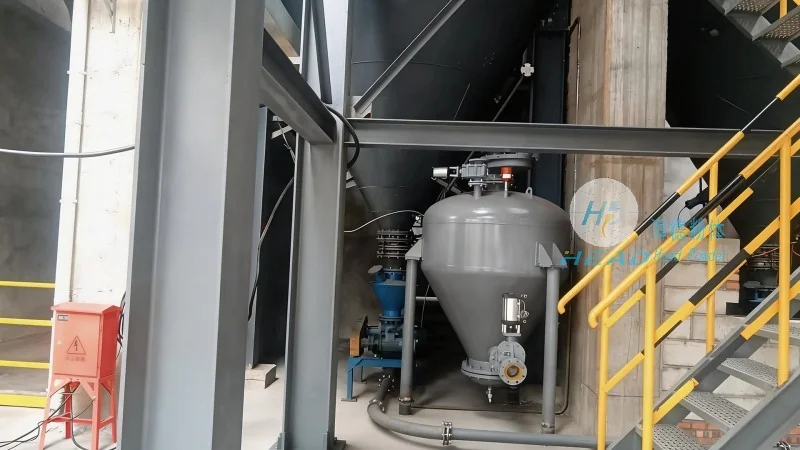
- Feed Hopper: A storage container that holds the PVB powder, providing a consistent supply to the system. The hopper is often designed with a conical or rectangular shape to facilitate smooth material discharge.
- Feeder: This component regulates the flow rate of PVB powder from the hopper to the conveyor or processing equipment. Common types include screw feeders, vibratory feeders, and pneumatic feeders, each suited to different material characteristics and system requirements.
- Conveyor System: The conveyor transports the PVB powder from the feeder to the processing unit or storage area. Options include belt conveyors, screw conveyors, or pneumatic conveying lines, depending on the system's scale and the need for dust control.
- Valves and Controls: Control valves and automation systems manage the flow of PVB powder, ensuring precise dosing and preventing material buildup or clogging. These components are often integrated with sensors to monitor flow rates and material levels.
- Dust Collection and Filtration: Given PVB's fine particle size, dust collection systems are essential to maintain air quality and prevent material loss. These systems typically include cyclones, bag filters, or cartridge filters to capture and remove airborne particles.
Design Principles for PVB Powder Handling Systems
The design of a PVB powder handling system is guided by several key principles to ensure reliability, efficiency, and safety. These principles include:
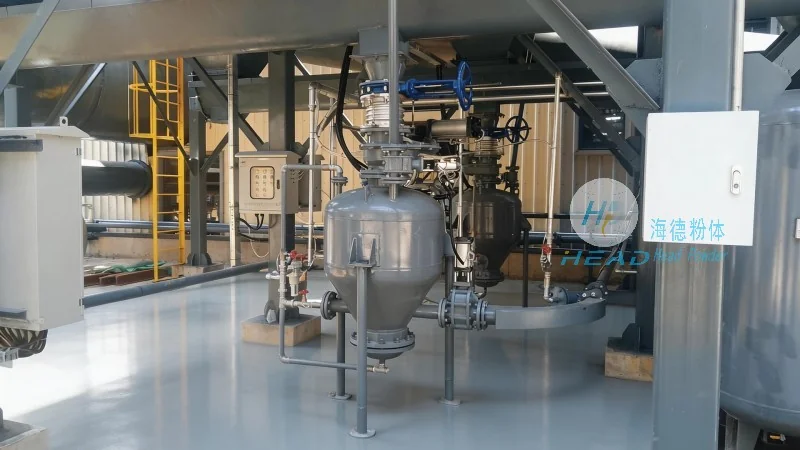
- Material Compatibility: The equipment is constructed from materials that are compatible with PVB, such as stainless steel or food-grade plastics, to prevent contamination and ensure durability. The design also considers the hygroscopic nature of PVB, incorporating features like moisture barriers or desiccant systems to maintain material quality.
- Prevention of Clogging and Agglomeration: PVB powder can agglomerate or clog in the system, leading to operational issues. The design incorporates features like anti-static coatings, smooth internal surfaces, and regular cleaning mechanisms to minimize these risks.
- Control of Airflow and Pressure: Pneumatic conveying systems rely on precise control of airflow and pressure to ensure consistent material transport. The design includes pressure sensors, flow meters, and adjustable valves to maintain optimal conditions and prevent system overloading.
- Safety and Environmental Considerations: The system is designed with safety features, such as explosion-proof components and emergency shut-off valves, to protect operators and the environment. Additionally, dust collection systems comply with industrial regulations to minimize environmental impact.
Operational Efficiency and Maintenance
Efficient operation of the PVB powder handling system requires regular maintenance and monitoring. Key maintenance tasks include cleaning the hopper and conveyor to prevent material buildup, checking the feeder for wear and tear, and inspecting the dust collection system for performance. The system's control panel allows operators to monitor flow rates, material levels, and system pressures in real-time, enabling quick adjustments to maintain optimal performance.
Conclusion
Polyvinyl butyral powder handling system equipment is a critical component in industries that rely on PVB. By understanding the design principles and key components, manufacturers can ensure reliable and efficient processing of PVB powder. The expertise of companies like Shandong HeadPowder Engineering Co., Ltd. in designing and manufacturing such systems plays a vital role in meeting the demands of modern industrial applications.




