Automatic weighing and material feeding systems are critical components in modern industrial processes, particularly in sectors like pharmaceuticals, food and beverage, and chemical manufacturing. These systems are designed to ensure precise measurement and controlled delivery of raw materials, which is essential for maintaining product quality, consistency, and regulatory compliance. The core function of such systems involves integrating weighing technology with material handling mechanisms to achieve accurate and efficient ingredient management.
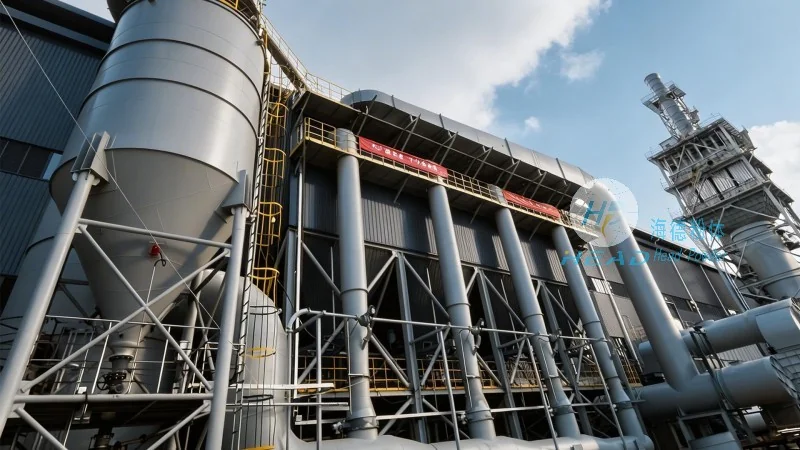
HeadPowder: A Leader in Automatic Weighing Solutions
HeadPowder, a leading manufacturer based in Shandong, China, specializes in the design, development, and implementation of advanced automatic weighing and material feeding solutions. With years of experience in the industry, HeadPowder has established itself as a trusted partner for businesses seeking reliable and high-performance equipment for their production lines. The company's commitment to innovation and quality has enabled it to cater to diverse applications, from small-scale laboratory setups to large-scale industrial production facilities.
Design Principles of Automatic Weighing and Material Feeding Systems
The design of automatic weighing and material feeding systems is guided by several key principles that ensure optimal performance and reliability. One of the fundamental principles is precision, which is achieved through the integration of high-accuracy load cells and advanced control systems. These components work together to measure the weight of materials with minimal error, even under varying operating conditions. Another critical principle is efficiency, as the systems are engineered to minimize downtime and maximize throughput. This is accomplished through features like automatic calibration, quick material changeovers, and integrated monitoring capabilities.
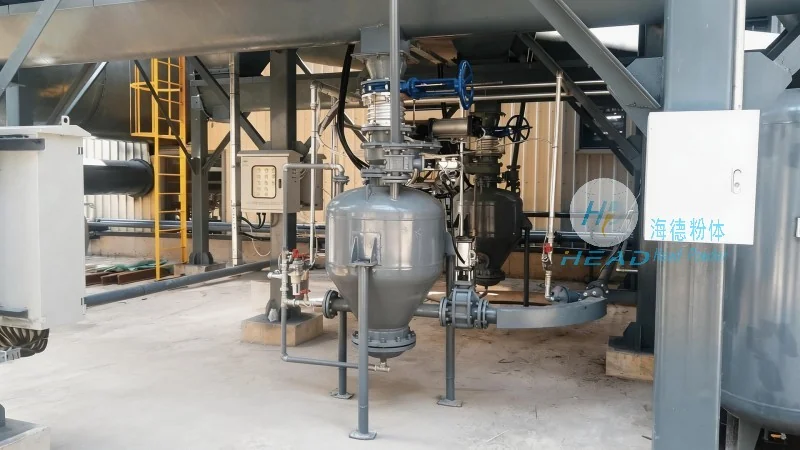
Control logic is a central aspect of the design, often utilizing programmable logic controllers (PLCs) or industrial computers to manage the feeding process. The control system processes input from the weighing sensors and adjusts the material flow accordingly, ensuring that the target weight is achieved within tight tolerances. Additionally, the design incorporates safety features to prevent overfilling or underfilling, which can lead to product defects or waste. These safety mechanisms may include limit switches, emergency stop buttons, and real-time monitoring of system parameters.
Key Components and Functional Aspects
Automatic weighing and material feeding systems typically consist of several interconnected components that work in harmony to deliver the desired results. The primary components include a weighing hopper or bin, load cells for weight measurement, a feeder (such as a screw feeder, belt feeder, or vibratory feeder), and a control unit. The weighing hopper is where the material is stored and measured, while the load cells convert the weight into an electrical signal that is transmitted to the control system. The feeder then dispenses the material at a controlled rate, based on the weight feedback from the load cells.
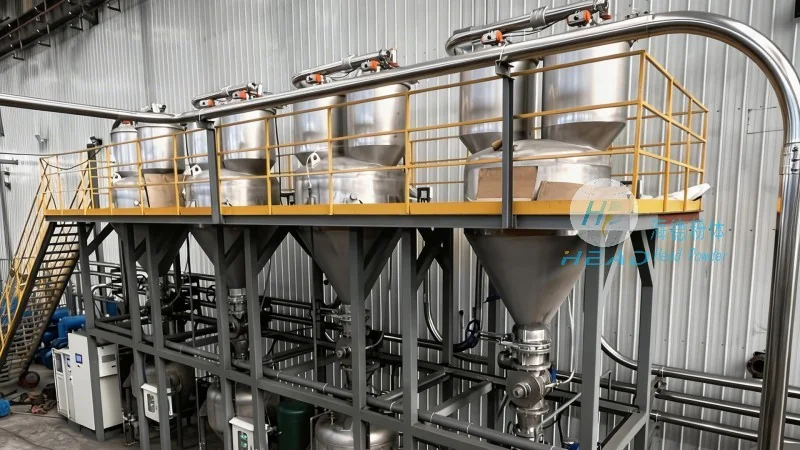
The control unit, often a PLC or a dedicated control panel, processes the weight data and adjusts the feeder speed or position to achieve the target weight. Modern systems may also incorporate features like automatic batching, where the system can dispense multiple batches of different materials with minimal human intervention. This automation reduces labor costs and improves consistency, as each batch is produced under identical conditions. Furthermore, the systems may include data logging capabilities, allowing operators to track production data and identify trends or issues over time.
Applications and Advantages in Industrial Settings
Automatic weighing and material feeding systems are widely used across various industries due to their ability to enhance productivity and product quality. In the pharmaceutical industry, for example, these systems are crucial for ensuring the accurate dosing of active ingredients, which directly impacts patient safety and treatment efficacy. The food and beverage sector benefits from consistent ingredient mixing, leading to uniform product taste and texture. Similarly, in chemical manufacturing, precise material control helps maintain product specifications and reduces waste.
The advantages of these systems extend beyond accuracy and efficiency. They also contribute to cost savings by minimizing material waste and reducing the need for manual adjustments. Additionally, the automation reduces the risk of human error, which is particularly important in industries where precision is paramount. The systems are also designed for easy integration into existing production lines, allowing businesses to upgrade their operations without major disruptions.
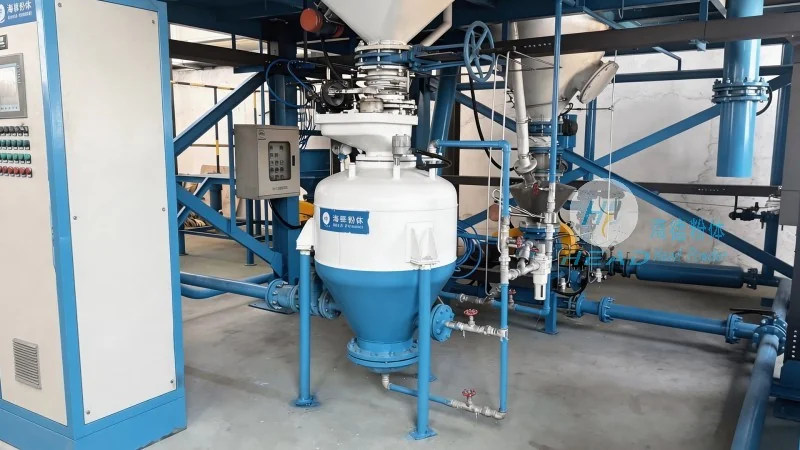
HeadPowder's Commitment to Customer Success
As a leading provider of automatic weighing and material feeding solutions, HeadPowder offers comprehensive support to ensure customer satisfaction and operational excellence. The company provides tailored solutions that are customized to meet the specific needs of each client, whether it's a new installation or an upgrade to an existing system. HeadPowder's team of engineers and technicians works closely with clients to understand their production requirements and design systems that deliver optimal performance.
The company also offers after-sales support, including maintenance, calibration, and technical assistance. Regular maintenance ensures that the systems operate at peak efficiency, while calibration services help maintain accuracy over time. HeadPowder's commitment to quality and customer service has earned it a reputation as a reliable partner in the industry, helping businesses achieve their production goals with confidence.




