Continuous weighing and metering feeding is a critical process in industrial material handling, designed to ensure precise and consistent delivery of bulk materials. This technology plays a vital role in various sectors, including manufacturing, mining, and chemical processing, where accurate material flow control is essential for operational efficiency and product quality. The core of this system lies in its ability to measure and regulate the flow rate of materials in real-time, enabling seamless integration into production lines and automated processes. Such systems are often engineered and manufactured by companies like Shandong HeadPowder Engineering Co., Ltd., a leading provider of industrial material handling solutions based in China.
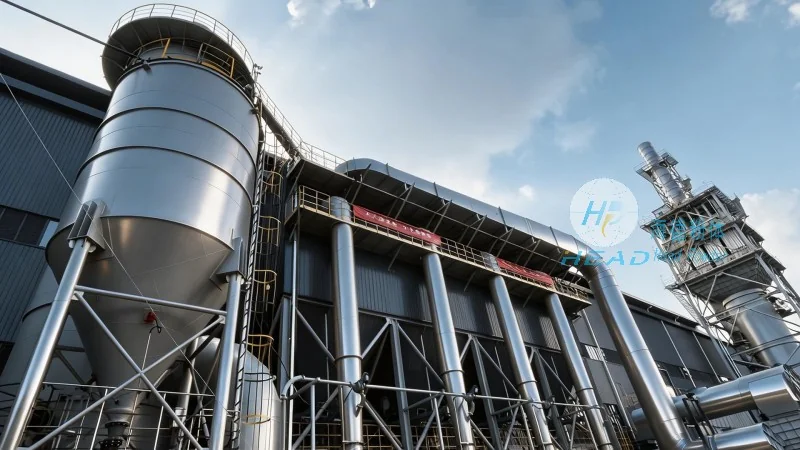
Understanding Continuous Weighing and Metering Feeding
At its essence, continuous weighing and metering feeding involves the use of specialized equipment to continuously monitor and control the flow of bulk materials. Unlike batch feeding systems, which deliver material in discrete quantities, continuous systems maintain a steady, unbroken flow, allowing for precise control over the amount of material being processed. This approach is particularly advantageous in applications where uniform material distribution is crucial, such as in mixing, blending, or conveying operations. The system typically includes sensors to measure weight and a metering device to regulate flow, creating a closed-loop control mechanism that adjusts in real-time to maintain target output.
The Design Principles Behind Continuous Weighing and Metering Systems
The design of continuous weighing and metering feeding systems is built upon several key principles that ensure accuracy, reliability, and efficiency. One of the fundamental aspects is the integration of load cells or sensors that provide real-time weight measurements. These sensors are typically installed in the material flow path, such as within a conveyor or hopper, to capture the weight of the material as it moves. The data from these sensors is then processed by a control system, which adjusts the feeding rate to maintain the desired flow rate or weight output. The system operates on a feedback loop: sensors detect weight changes, the controller calculates the necessary adjustments, and the metering device executes the changes to keep the system stable.
A critical component in many continuous systems is the metering device, which can include screw conveyors, belt scales, or gravimetric feeders. These devices are engineered to deliver material at a consistent rate, often with the ability to adjust speed or torque to match production demands. The combination of weighing sensors and metering mechanisms creates a closed-loop control system that continuously optimizes material flow, minimizing variations and ensuring that the output meets specified targets. For example, a gravimetric feeder uses a weight measurement to calculate the exact amount of material needed per unit time, then adjusts the feeder speed to achieve that rate.
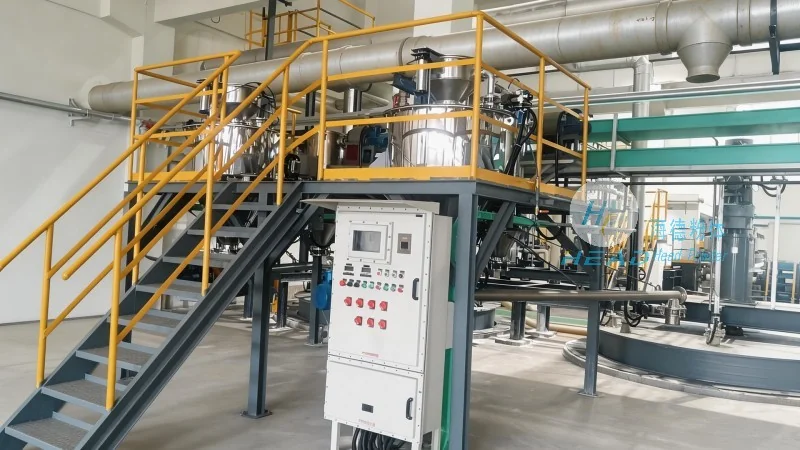
Key Components and Their Functions in Continuous Weighing and Metering Systems
Several key components work in tandem to achieve the precise control required in continuous weighing and metering applications. Load cells or strain gauges are the primary sensors that convert the weight of the material into an electrical signal. These sensors are typically mounted on the support structure of the conveyor or hopper, ensuring accurate measurement by eliminating external forces that could affect readings. The control system, often a programmable logic controller (PLC) or a dedicated weighing controller, processes the sensor data and sends commands to the metering device to adjust its operation. Belt scales, for instance, use a series of load cells placed along the length of the conveyor belt to measure the weight of material on the belt. By integrating the weight measurement with the conveyor speed, the system calculates the volumetric flow rate, which is then converted to a mass flow rate based on the material's density.
Applications and Benefits of Continuous Weighing and Metering Feeding
Continuous weighing and metering feeding systems are widely used across various industries due to their ability to deliver consistent material flow. In the mining industry, these systems are employed to feed raw ore into processing plants, ensuring that the correct amount of material is processed at each stage. In the chemical industry, precise feeding is crucial for maintaining the correct ratios of ingredients in formulations, which directly impacts product quality and safety. Similarly, in the food and beverage sector, continuous systems help maintain consistent ingredient levels in production lines, ensuring uniform product characteristics.
The benefits of using continuous weighing and metering systems extend beyond just accuracy. These systems enhance operational efficiency by reducing downtime and waste. By maintaining a steady flow of material, they minimize the need for manual adjustments and prevent overfeeding or underfeeding, which can lead to process inefficiencies or product defects. Additionally, the real-time monitoring capabilities allow operators to quickly identify and address any deviations in the system, ensuring that production remains on track. For example, in a pharmaceutical manufacturing line, precise feeding ensures that active ingredients are mixed in exact proportions, meeting regulatory standards and product specifications.
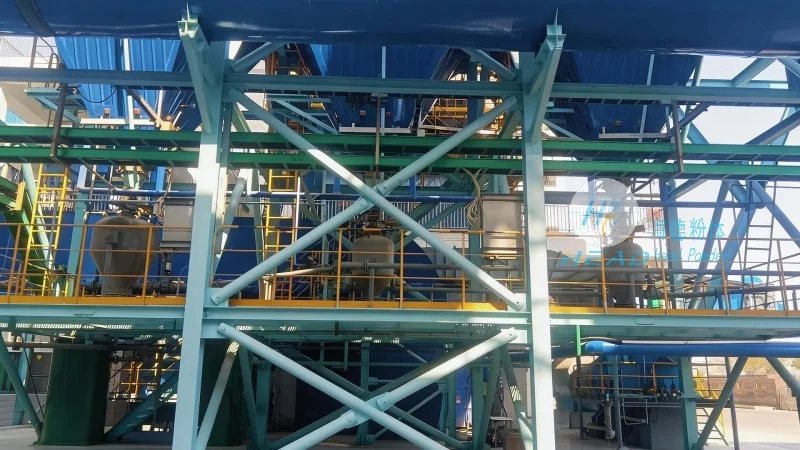
Customization and Integration with Existing Systems
Continuous weighing and metering feeding systems are highly customizable to meet the specific needs of different applications. Manufacturers often offer a range of options, including different sensor types, metering devices, and control interfaces, allowing for seamless integration with existing production lines. For instance, a system can be designed to interface with a PLC in a manufacturing plant, enabling centralized control and monitoring of all feeding operations. This integration ensures that the weighing and metering system works in harmony with other equipment, such as conveyors, mixers, or processing units, creating a cohesive and efficient production environment.
Customization also extends to the material handling requirements. Systems can be tailored to handle a variety of bulk materials, from powders and granules to liquids and slurries. This adaptability makes continuous weighing and metering feeding suitable for diverse industrial applications, from pharmaceutical manufacturing to agricultural processing. The ability to adjust the system's parameters, such as flow rate or sensor sensitivity, allows for optimal performance across different material types and production conditions. Shandong HeadPowder Engineering Co., Ltd. specializes in designing systems that can be adapted to handle materials with varying densities and flow characteristics, ensuring consistent performance in challenging environments.
Maintenance and Reliability in Continuous Weighing and Metering Systems
Maintaining the reliability and accuracy of continuous weighing and metering systems is essential for long-term operational success. Regular maintenance, including calibration of sensors and inspection of mechanical components, is crucial to ensure that the system continues to perform within specified tolerances. Calibration involves comparing the system's output with known weight standards to verify its accuracy, which is typically performed at regular intervals or when significant changes occur in the system's operation. Mechanical components, such as conveyor belts, screw conveyors, or hopper liners, also require periodic inspection to prevent wear and tear that could affect performance. For example, a worn conveyor belt may lead to uneven material distribution, causing variations in the weighing readings. By addressing these issues promptly, operators can maintain the system's efficiency and prevent costly downtime. The use of high-quality materials and components in the construction of the system contributes to its overall reliability, reducing the likelihood of failures and extending its service life.
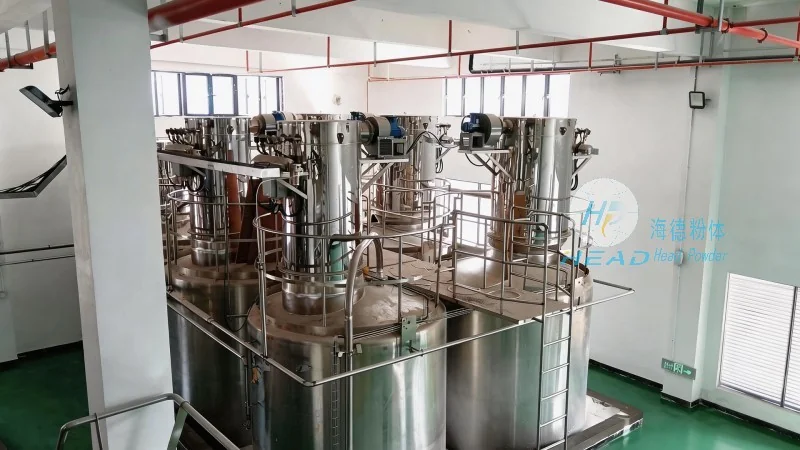
Future Trends and Innovations in Continuous Weighing and Metering Technology
As technology advances, continuous weighing and metering feeding systems are evolving to incorporate new features and capabilities. One of the notable trends is the integration of digital and smart technologies, such as IoT (Internet of Things) sensors and data analytics. These innovations enable real-time monitoring and remote access to system data, allowing operators to monitor performance from anywhere and make data-driven decisions to optimize operations. Additionally, advancements in sensor technology, such as high-precision load cells and advanced signal processing, are improving the accuracy and responsiveness of weighing systems.
Another area of innovation is the development of more flexible and modular systems. Manufacturers are offering systems that can be easily reconfigured or expanded to accommodate changing production needs. This modularity allows companies to adapt their material handling processes without significant capital investment, making continuous weighing and metering feeding more accessible to a wider range of industries. Furthermore, the integration of artificial intelligence (AI) and machine learning algorithms is being explored to enhance predictive maintenance and optimize system performance based on historical data. For example, AI can analyze past performance data to predict when maintenance is needed, reducing unexpected failures and improving system uptime.
Conclusion: The Importance of Continuous Weighing and Metering Feeding in Modern Industry
Continuous weighing and metering feeding represents a cornerstone technology in modern industrial material handling, providing the precision and control necessary for efficient and reliable production. By understanding the design principles and components of these systems, industries can leverage their capabilities to enhance operational efficiency, improve product quality, and reduce waste. As technology continues to advance, these systems will likely become even more sophisticated, offering greater flexibility and integration with other industrial processes. For companies operating in sectors where material flow control is critical, investing in continuous weighing and metering feeding systems is a strategic decision that can yield significant long-term benefits. The systems not only meet current production demands but also support future growth by providing scalable and adaptable solutions that can evolve with changing industry requirements.




