Bulk bag breakage material handling is a specialized process used in industrial settings to manage materials that have been damaged or broken within their bulk bags. This process is crucial for ensuring the efficient and safe transfer of goods from the damaged packaging to the next stage of production or distribution. Understanding the mechanisms and design principles behind this technology is essential for optimizing material handling operations in various industries, including manufacturing, logistics, and chemical processing.
Understanding Bulk Bag Breakage Material Handling
Bulk bags, also known as flexible intermediate bulk containers (FIBCs), are widely used for transporting bulk materials due to their cost-effectiveness and ease of handling. However, during handling, storage, or transportation, these bags can experience damage, leading to the breakage of the material inside. The breakage can result from various factors such as overloading, impact, or improper handling. When this occurs, the material needs to be recovered and processed without causing further contamination or loss. Bulk bag breakage material handling systems are specifically designed to address these challenges by providing a controlled environment for material recovery.
The Core Components and Design Principles
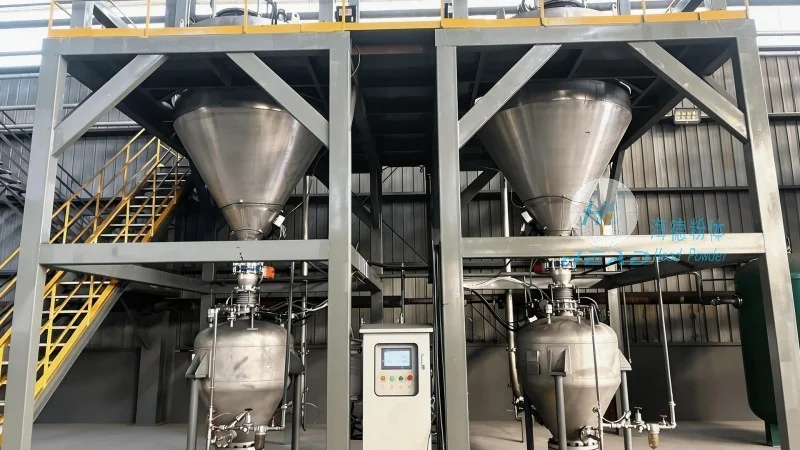
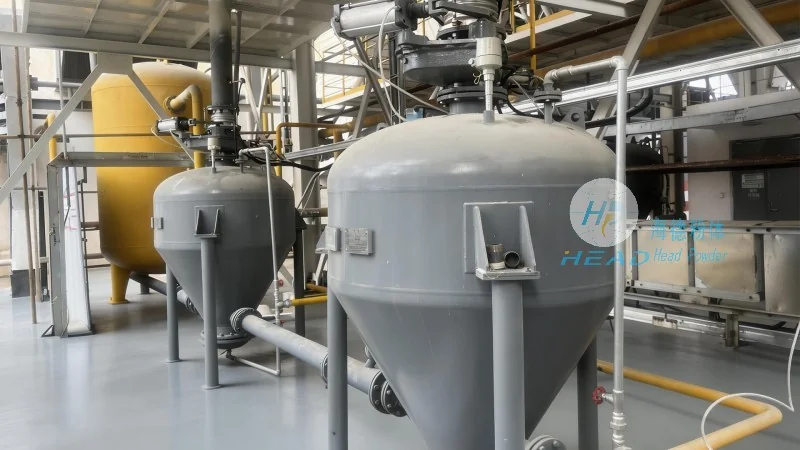
The design of bulk bag breakage material handling systems is centered around several key components that work in tandem to ensure efficient material recovery. These components typically include a hopper or receiving chamber, a conveyor system, a separation mechanism, and a collection or processing unit. The receiving chamber is designed to safely open the damaged bulk bag and allow the material to flow into the system. The conveyor system then transports the material to the separation unit, which may use screens, magnets, or other devices to remove any foreign objects or contaminants. The final collection unit gathers the processed material, ready for further use or disposal.
Key Design Considerations for Efficient Material Handling
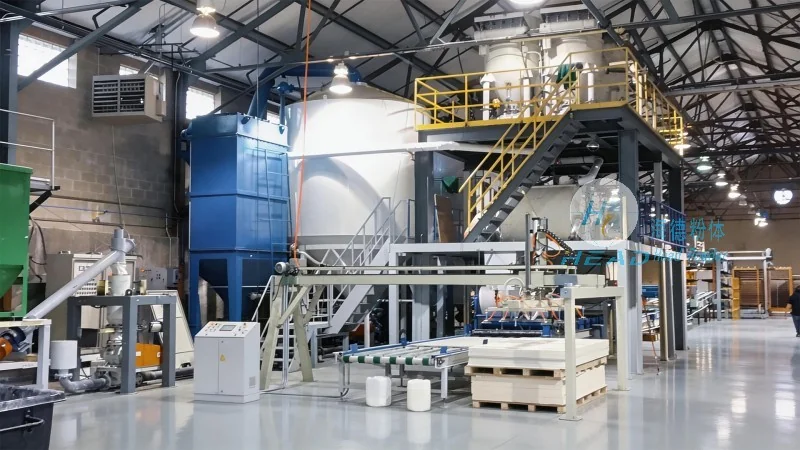
Several design considerations are critical for the effective operation of bulk bag breakage material handling systems. First, the system must be designed to handle a wide range of material types and sizes, ensuring compatibility with different bulk bag dimensions and material characteristics. Second, the system should minimize material loss and contamination by using efficient separation and filtration mechanisms. Third, the design must prioritize safety and ergonomics, ensuring that operators can handle the equipment without risk of injury. Additionally, the system should be scalable and adaptable to accommodate changes in production volume or material specifications.
Applications and Industry Impact
Bulk bag breakage material handling systems are widely used across various industries, including food processing, pharmaceuticals, chemicals, and mining. In these industries, the recovery of material from damaged packaging is essential for maintaining production efficiency and reducing waste. For example, in the food industry, broken bags containing ingredients like flour or sugar need to be processed to remove any foreign particles or contaminants before the material is used in production. Similarly, in the chemical industry, damaged bags containing hazardous materials must be handled with care to prevent environmental contamination and ensure worker safety.
About HeadPowder: A Leading Provider of Material Handling Solutions
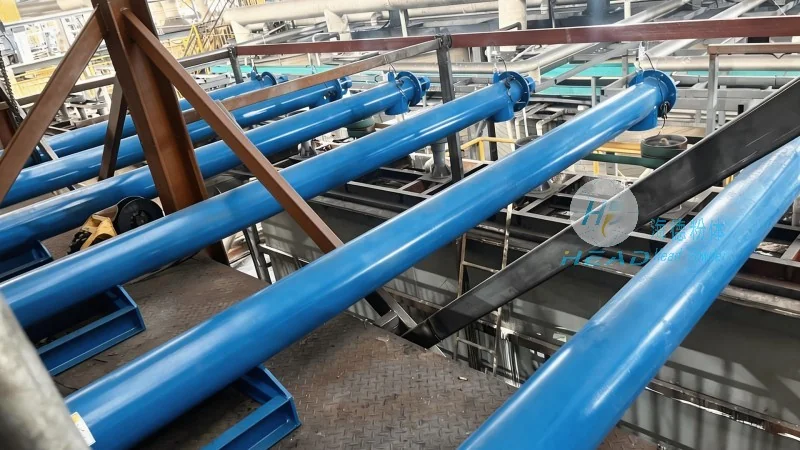
HeadPowder, or Shandong HeadPowder Engineering Co., Ltd., is a professional manufacturer specializing in the design and production of bulk bag breakage material handling systems. With a focus on innovation and quality, HeadPowder has established itself as a trusted partner for industries seeking reliable and efficient material handling solutions. The company's headquarters is located in Shandong, China, where it leverages advanced technology and engineering expertise to develop customized solutions tailored to the specific needs of its clients. HeadPowder's commitment to customer satisfaction and product excellence has made it a leading name in the material handling industry.




