Dust-free material handling is a critical process in industries where maintaining a clean environment is paramount. This involves the movement of materials through systems designed to minimize or eliminate the generation of dust particles. The primary goal is to ensure that the handling process does not introduce contaminants into the workspace or the materials being transported. Such systems are widely used in pharmaceutical, semiconductor, food processing, and other high-purity industries where product quality and safety are non-negotiable. Companies like Shandong HeadPowder Engineering Co., Ltd., based in China, specialize in designing and manufacturing these advanced systems to meet the stringent requirements of modern industries.
Key Components of Dust-Free Material Handling
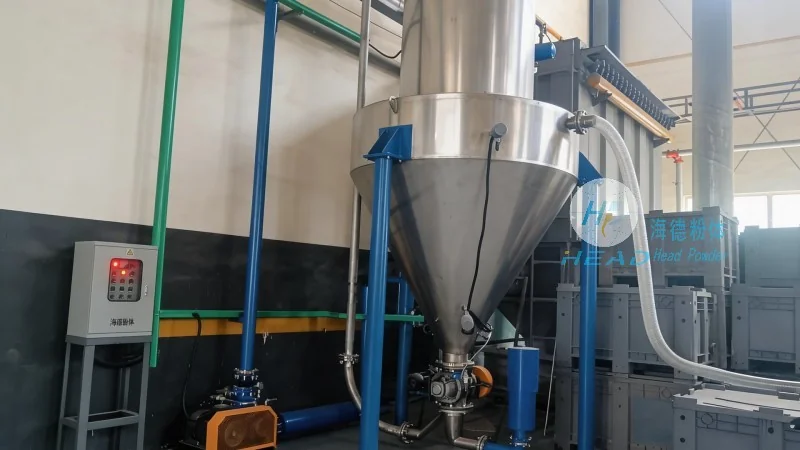
The design of dust-free material handling systems relies on several key components that work in tandem to achieve a clean and efficient operation. These components include dust collection systems, sealed conveyor belts, and specialized equipment that prevents particle release. For instance, sealed conveyor systems use enclosed structures to contain material movement, while high-efficiency particulate air (HEPA) filters in dust collection units capture fine particles before they are released into the environment. The integration of these components ensures that the entire handling process remains dust-free from start to finish.
Design Principles for Optimal Performance
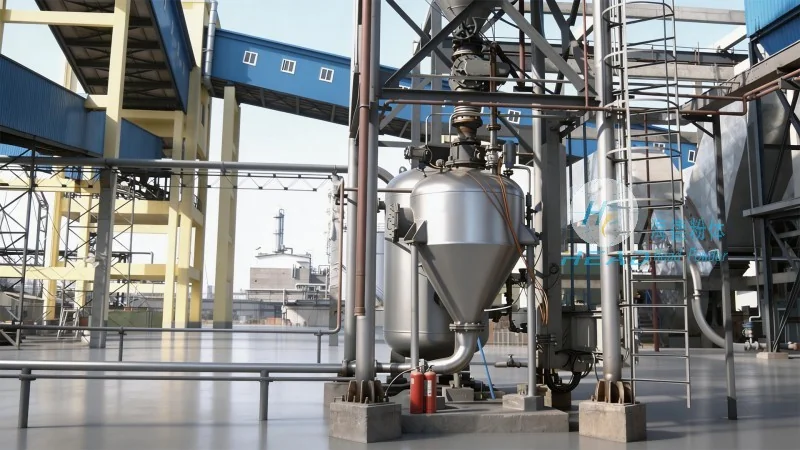
The design principles of dust-free material handling systems are centered on minimizing friction, controlling airflow, and ensuring proper sealing. Friction is reduced by using smooth surfaces and lubricated components to prevent the generation of dust from material abrasion. Airflow is managed through the use of negative pressure zones and controlled ventilation to direct air away from the handling area, preventing dust from spreading. Sealing is achieved through the use of gaskets, O-rings, and other sealing mechanisms on equipment to create airtight connections. These principles are applied across various equipment types, including belt conveyors, screw conveyors, and pneumatic conveyors, each tailored to the specific material and industry requirements.
Applications in Different Industries
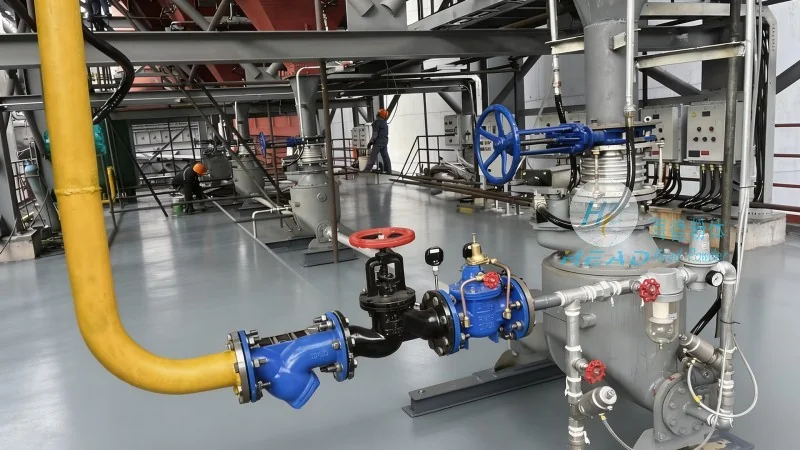
Dust-free material handling systems find applications across a wide range of industries, each with unique requirements. In the pharmaceutical industry, these systems are essential for maintaining sterile conditions during the handling of active pharmaceutical ingredients (APIs) and finished products. The semiconductor industry relies on dust-free handling to prevent contamination of sensitive electronic components, which can affect device performance and reliability. Food processing industries use these systems to ensure that food products remain free from contaminants, meeting stringent food safety regulations. Each application requires a customized approach to system design, considering factors such as material type, processing speed, and environmental controls.
Benefits of Implementing Dust-Free Material Handling
The implementation of dust-free material handling systems offers numerous benefits for businesses. Firstly, it enhances product quality by preventing contamination, which is crucial in industries where product purity directly impacts customer satisfaction and regulatory compliance. Secondly, it improves workplace safety by reducing the risk of respiratory issues and other health problems associated with dust exposure. Thirdly, these systems contribute to operational efficiency by minimizing downtime caused by cleaning and maintenance. Additionally, they help in maintaining a clean and organized workspace, which can boost employee morale and productivity. Overall, the investment in dust-free material handling is justified by the long-term gains in quality, safety, and operational performance.
Conclusion: The Importance of Proper Design and Implementation
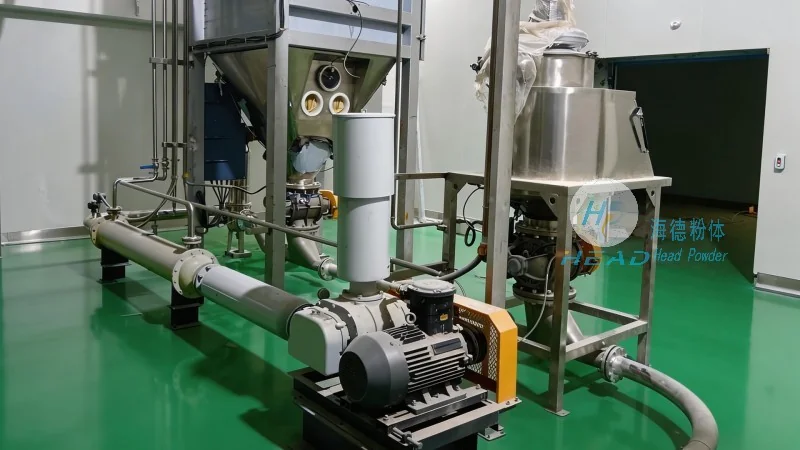
In conclusion, dust-free material handling is a sophisticated process that requires careful consideration of design principles and components. The systems developed by companies like Shandong HeadPowder Engineering Co., Ltd. in China exemplify the integration of advanced technology and industry best practices to meet the demanding needs of modern industries. By adhering to the principles of minimizing dust generation, controlling airflow, and ensuring proper sealing, these systems provide reliable and efficient material handling solutions. As industries continue to prioritize quality and safety, the demand for dust-free material handling systems is expected to grow, making it a critical area of focus for manufacturers and end-users alike.




