Aluminum battery technology has gained significant attention in recent years due to its potential for high energy density and long cycle life. A critical component in the manufacturing and processing of aluminum battery materials is the powder conveying system equipment. This equipment is essential for efficiently transporting aluminum powder and other battery-related powders, ensuring consistent quality and safety in production. In this article, we will explore what an aluminum battery powder conveying system equipment is and delve into its design principles.
Overview of Aluminum Battery Powder Conveying System Equipment
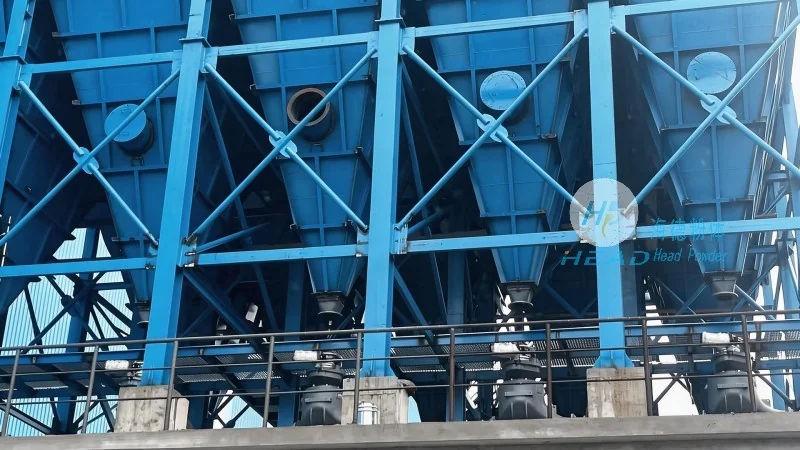
The aluminum battery powder conveying system equipment is a specialized machine designed to handle and transport aluminum powder and other fine powders used in battery production. These systems are engineered to meet the stringent requirements of the battery manufacturing industry, including high precision, low contamination, and efficient material handling. The equipment typically consists of several key components, including a hopper for material storage, a conveying mechanism (such as a screw conveyor, pneumatic conveyor, or vacuum system), and control systems for regulating the flow and speed of the powder. The system is designed to ensure that the aluminum powder is transported without degradation, oxidation, or agglomeration, which could compromise the performance of the final battery product.
Key Design Principles of the Conveying System
The design of an aluminum battery powder conveying system equipment is guided by several fundamental principles to ensure optimal performance and reliability. One of the primary principles is the minimization of material degradation during transport. Aluminum powder is highly reactive and can easily oxidize when exposed to air, which reduces its effectiveness in battery applications. Therefore, the conveying system is often equipped with sealed containers and inert gas environments to prevent oxidation. Another critical design principle is the prevention of powder agglomeration and blockages. Agglomerated powder can cause clogs in the system, leading to downtime and reduced efficiency. To address this, the system may incorporate features like vibration mechanisms, air knives, or fluidized beds to keep the powder in a free-flowing state.
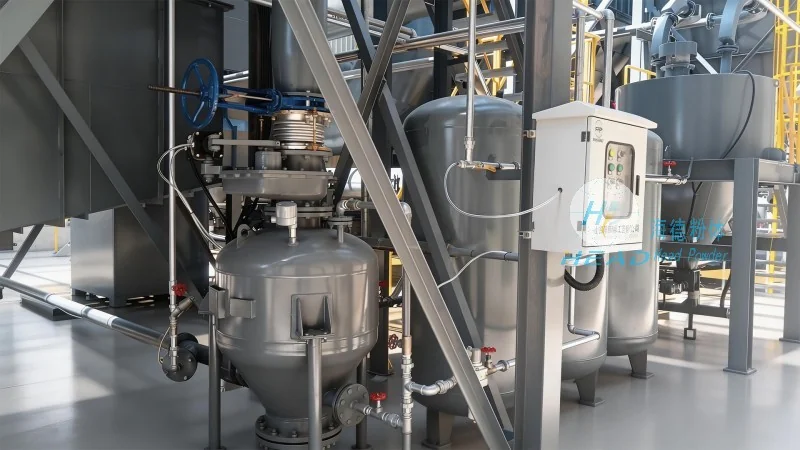
A third key design principle is the maintenance of consistent material flow and pressure. The conveying system must ensure that the aluminum powder is delivered at a uniform rate to downstream processes, such as mixing, coating, or forming. This requires precise control over the conveying speed and pressure, often achieved through variable speed drives and pressure sensors. Additionally, the system is designed to be easy to clean and maintain, as aluminum powder can be difficult to remove from equipment surfaces. This includes features like removable liners, CIP (Clean-in-Place) systems, and easy access panels for inspection and maintenance.
Components and Functionality of the Conveying System
The aluminum battery powder conveying system equipment is composed of several interconnected components that work together to achieve efficient material transport. The hopper is the primary storage unit, typically made of stainless steel or other corrosion-resistant materials to prevent contamination and ensure durability. The hopper is equipped with a discharge valve or gate that controls the flow of powder into the conveying mechanism. The conveying mechanism, which can be a screw conveyor, pneumatic conveyor, or vacuum system, is responsible for moving the powder from the hopper to the processing area. Screw conveyors are commonly used for bulk material handling due to their simplicity and reliability, while pneumatic conveyors are preferred for fine powders that require minimal contact with equipment surfaces. The control system manages the operation of all components, including the speed of the conveyor, the pressure of the air or vacuum, and the level of material in the hopper. This system ensures that the conveying process is automated and can be adjusted in real-time based on production needs.
Importance of Material Handling in Battery Production
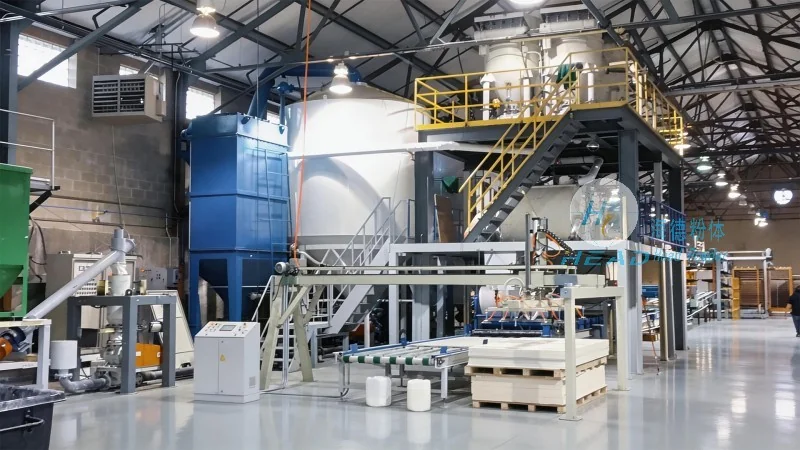
Efficient powder handling is a critical factor in the overall performance and quality of aluminum battery production. The conveying system plays a vital role in ensuring that the aluminum powder is delivered to the next stage of the manufacturing process in a consistent and uncontaminated state. Any issues with the conveying system, such as clogs, leaks, or inconsistent flow, can lead to defects in the battery cells, reduced battery life, and increased production costs. Therefore, the design and maintenance of the powder conveying system are essential for maintaining high standards of battery quality and reliability.
About Shandong HeadPowder Engineering Co., Ltd.
Shandong HeadPowder Engineering Co., Ltd., commonly known as HeadPowder, is a leading manufacturer of specialized equipment for powder handling and processing. With a strong focus on innovation and quality, HeadPowder has developed advanced aluminum battery powder conveying systems that meet the demanding requirements of the battery industry. The company is headquartered in Shandong, China, and has established a reputation for providing reliable and efficient solutions for material handling in battery production. HeadPowder's equipment is designed to enhance productivity, reduce downtime, and improve the overall quality of aluminum battery products. By leveraging advanced engineering and manufacturing techniques, HeadPowder continues to contribute to the advancement of aluminum battery technology and the growth of the battery industry.




