Clay sand powder conveying systems are critical components in industrial processes, particularly in foundries and manufacturing facilities where the efficient handling of clay sand is essential for production efficiency and quality control. This article explores the functionality and design principles of such systems, providing insights into how they operate and why they are integral to modern industrial operations. Shandong HeadPowder Engineering Co., Ltd., a leading provider of industrial powder conveying solutions, specializes in designing and manufacturing equipment tailored to the unique needs of clay sand handling.
Introduction to Clay Sand Powder Conveying Systems
Clay sand powder conveying systems are specialized equipment designed to transport clay sand—a mixture of clay and sand—through various industrial processes. These systems are commonly used in the foundry industry for sand preparation, casting, and recycling. The primary goal of these systems is to ensure that clay sand is moved reliably, efficiently, and safely from one point to another within a production facility. This involves handling a dry, fine-grained material that can be challenging to transport due to its dustiness and tendency to clog or settle in pipes.
Key Components of a Clay Sand Powder Conveying System
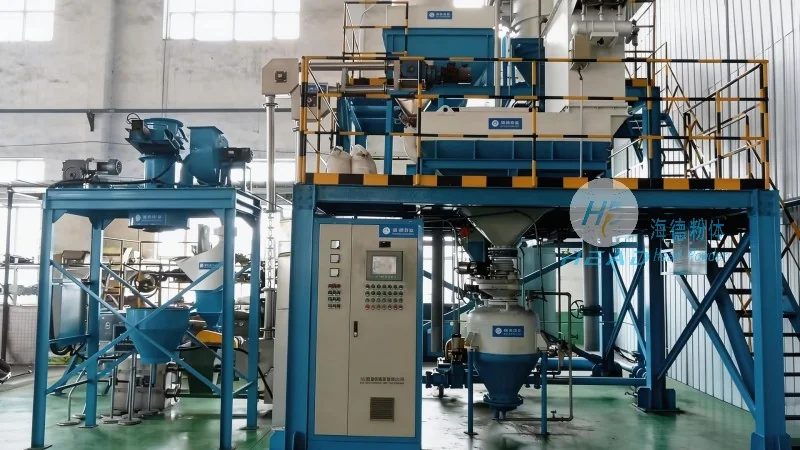
The design of a clay sand powder conveying system typically includes several key components that work in tandem to achieve effective material transport. These components may include a hopper or storage silo for material storage, a feeding mechanism (such as a rotary valve or screw feeder) to control the flow of clay sand into the conveying line, a conveyor system (like a pneumatic or mechanical conveyor), and a control system to regulate the entire process. Each component plays a crucial role in ensuring that the clay sand is conveyed without loss, contamination, or damage to the material.
Design Principles for Efficient Material Transport
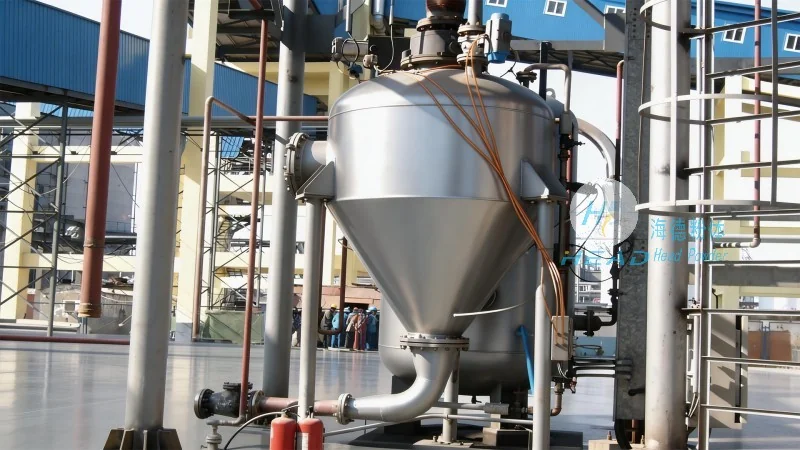
The design principles of clay sand powder conveying systems are centered on ensuring reliable, low-downtime operation and minimizing material degradation. One of the fundamental principles is the use of appropriate conveying methods that match the characteristics of clay sand. For instance, pneumatic conveying systems are often preferred for their ability to handle fine powders and prevent material buildup in pipes. These systems use air pressure to move the material through a closed pipeline, reducing the risk of dust exposure and ensuring a clean transfer. Another key design principle is the incorporation of features that prevent clogging and ensure consistent flow, such as adjustable feeding rates, air filtration systems, and regular maintenance protocols.
How the System Works: A Step-by-Step Overview
Understanding the operational workflow of a clay sand powder conveying system helps in appreciating its design efficiency. The process typically begins with the storage of clay sand in a hopper or silo. From there, a feeder regulates the amount of material released into the conveying line. The material is then propelled through the pipeline by air pressure (in pneumatic systems) or mechanical force (in mechanical systems). The conveying line may include bends, expansions, and filters to ensure smooth flow and prevent material accumulation. At the destination, the clay sand is discharged into a container or processing unit, completing the transport cycle. This step-by-step operation highlights the importance of each component in maintaining the integrity of the clay sand and ensuring efficient transport.
Benefits of Using a Clay Sand Powder Conveying System
Implementing a clay sand powder conveying system offers several advantages for industrial operations. Firstly, it enhances production efficiency by reducing manual handling of clay sand, which is labor-intensive and prone to errors. Automated systems ensure consistent material flow, minimizing downtime and improving overall throughput. Secondly, these systems improve safety by containing dust and preventing exposure to workers, which is critical in environments where clay sand can be hazardous. Additionally, the design of modern conveying systems allows for better material control, reducing waste and improving the quality of the final product. For foundries, this translates to more consistent casting results and lower material costs.
Applications and Industries That Benefit from This Equipment
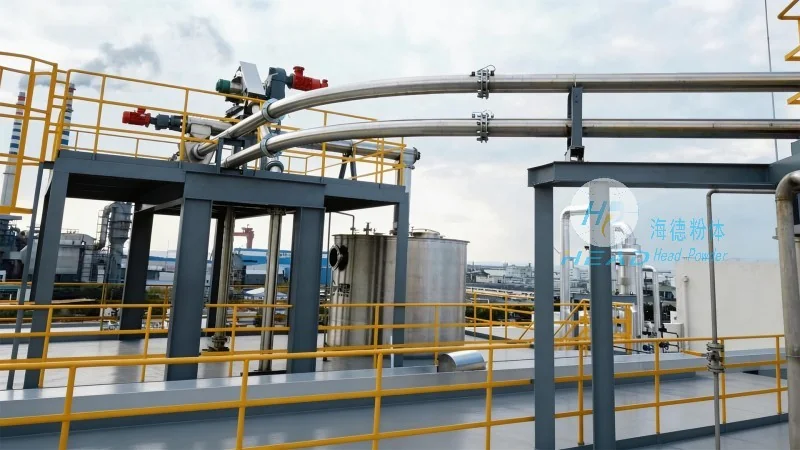
Clay sand powder conveying systems are widely used across various industries, with the foundry sector being the most prominent. However, other applications include construction material production, where clay sand is used in the manufacturing of bricks or concrete. In these industries, the ability to efficiently transport clay sand is crucial for maintaining production schedules and meeting quality standards. The versatility of these systems makes them suitable for handling different types of powders, not just clay sand, though their design is optimized for the specific properties of clay sand.
Conclusion: The Importance of Design and Functionality
In conclusion, clay sand powder conveying systems are essential equipment in industries that rely on the efficient handling of fine materials. The design principles behind these systems focus on reliability, efficiency, and safety, ensuring that clay sand is transported without degradation or loss. By understanding the components and operational workflow of such systems, industries can make informed decisions about implementing or upgrading their conveying infrastructure. As demand for efficient material handling continues to grow, the importance of well-designed clay sand powder conveying systems will only increase, making them a critical investment for modern industrial operations.




