Micro sand powder, a critical material in modern construction and industrial applications, requires efficient and reliable conveying methods to ensure smooth production processes. For businesses dealing with micro sand powder, selecting the right conveying system is essential to maintain productivity, minimize material loss, and enhance operational safety. This article explores various methods that can be employed for micro sand powder conveying, providing insights into the most effective solutions tailored to different operational needs.
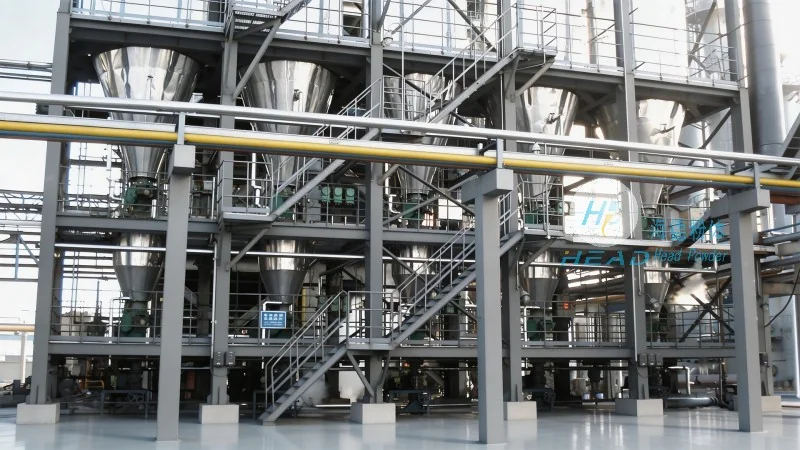
Understanding Micro Sand Powder and Its Conveying Requirements
Micro sand powder, typically characterized by its fine particle size and high density, presents unique challenges during transportation. Unlike bulk materials with larger particles, micro sand powder is prone to caking, dust generation, and blockage in traditional conveying systems. Therefore, the choice of conveying method must consider factors such as material properties, production scale, environmental regulations, and the overall cost of operation. Companies like Shandong HeadPowder Engineering Co., Ltd., based in China, specialize in designing and implementing customized conveying solutions that address these specific challenges.
Common Conveying Methods for Micro Sand Powder
Several methods are commonly used for micro sand powder conveying, each with its own advantages and limitations. The selection of a method depends on the specific application, the volume of material to be transported, and the distance between the source and destination. Key methods include:
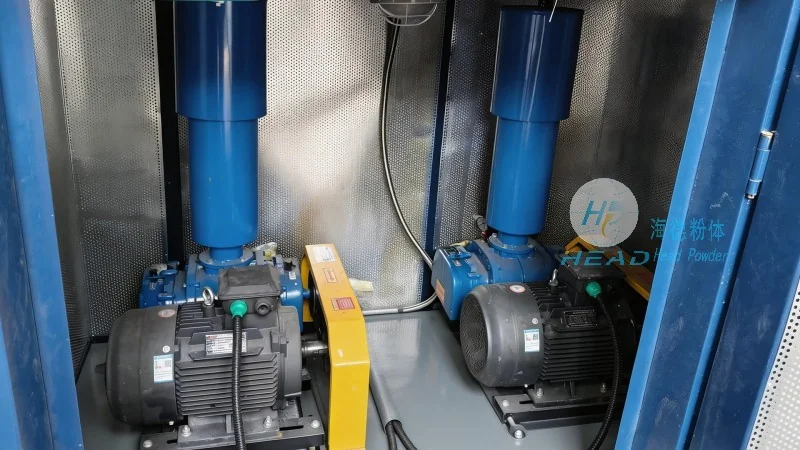
Pneumatic Conveying Systems
Pneumatic conveying, also known as air-assisted conveying, is one of the most popular methods for micro sand powder. This system uses compressed air to transport the powder through a pipeline. There are two main types: pressure and vacuum systems. Pressure systems push the material forward using high-pressure air, while vacuum systems draw the material into the pipeline using low-pressure air. Pneumatic conveying is particularly effective for long-distance transport and can handle both dry and slightly wet micro sand powder. It offers advantages such as low maintenance, the ability to transport materials in a closed system to prevent dust contamination, and flexibility in routing. However, it may require higher energy consumption compared to other methods and can be less efficient for very fine powders that are prone to segregation.
Pipeline Conveying with Screw or Auger
Pipeline conveying using screw or auger conveyors is another effective method for micro sand powder. This system involves a rotating screw or auger inside a tube that moves the powder forward. Screw conveyors are suitable for horizontal or slightly inclined transport and are ideal for handling bulk quantities of micro sand powder. They are relatively simple in design, easy to install, and can operate continuously. However, they may not be suitable for very fine powders that can cause excessive wear on the screw and tube. Auger conveyors, similar to screw conveyors but often with a more robust design, can handle higher loads and are more resistant to clogging. This method is commonly used in industrial settings where a reliable and low-cost conveying solution is needed.
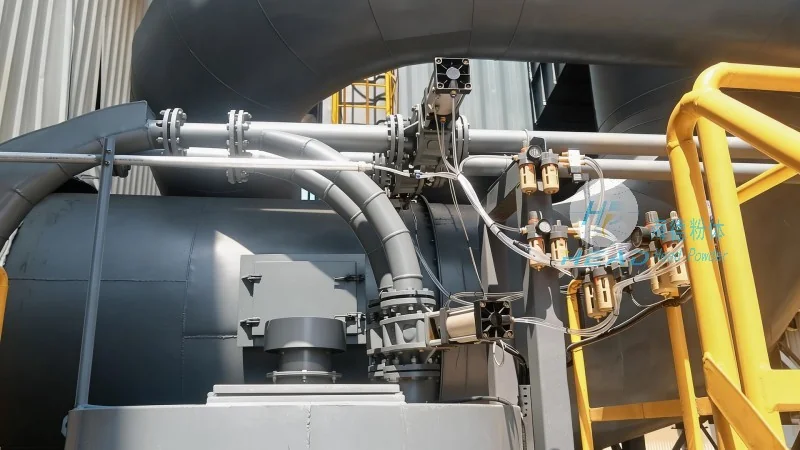
Bucket Elevators
Bucket elevators are vertical or inclined conveyor systems that use buckets attached to a chain or belt to transport micro sand powder. This method is highly efficient for vertical transport and can handle large volumes of material. Bucket elevators are particularly useful when the material needs to be lifted to a significant height, such as in storage silos or processing plants. They are designed to minimize material spillage and dust emission, making them suitable for applications where environmental control is important. However, bucket elevators may require more maintenance than other systems due to the moving parts and can be less flexible in terms of routing changes.
Hydraulic Conveying
Hydraulic conveying, also known as slurry transport, involves mixing micro sand powder with water to form a slurry, which is then pumped through a pipeline. This method is commonly used for transporting fine powders over long distances, especially in mining and mineral processing industries. Hydraulic conveying is effective for handling large volumes of material and can be more energy-efficient than pneumatic systems. However, it requires additional equipment for slurry preparation and separation, and the process may generate more wastewater that needs to be treated. This method is suitable for applications where the material is already in a wet state or where water is readily available.
Choosing the Right Conveying System for Your Business
When selecting a conveying system for micro sand powder, it is crucial to consider several factors to ensure optimal performance and cost-effectiveness. First, evaluate the material properties, including particle size, density, and moisture content, as these will impact the choice of equipment. Second, assess the operational scale, such as the volume of material to be transported and the distance between the source and destination, to determine the capacity and efficiency requirements. Third, consider the environmental regulations and safety standards that may apply to your industry, as some conveying methods may require dust control measures or explosion-proof designs. Finally, evaluate the total cost of ownership, including initial investment, maintenance, and energy consumption, to ensure the chosen system provides a good return on investment.
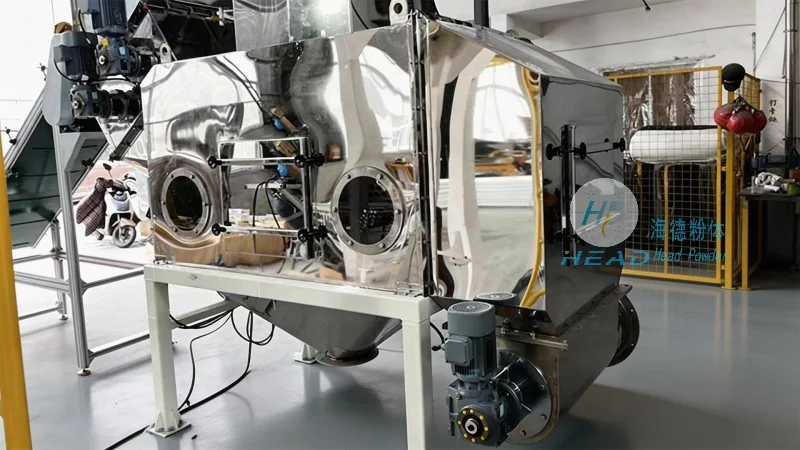
Customized Solutions from Shandong HeadPowder Engineering Co., Ltd.
Shandong HeadPowder Engineering Co., Ltd., a leading provider of micro sand powder conveying solutions based in China, offers customized systems tailored to the specific needs of each client. The company specializes in designing and manufacturing pneumatic, screw, auger, and bucket elevator systems, as well as hydraulic conveying solutions. With years of experience in the industry, HeadPowder engineers work closely with clients to understand their operational challenges and provide solutions that enhance productivity, reduce material loss, and improve safety. The company's products are designed to meet international standards and are backed by a team of experts who provide technical support and maintenance services. Whether you need a standard conveying system or a customized solution for a unique application, HeadPowder can provide the right equipment to meet your needs.
Conclusion
Micro sand powder conveying is a critical aspect of many industrial processes, and the choice of conveying method can significantly impact operational efficiency and cost. By understanding the different methods available and considering factors such as material properties, operational scale, and environmental regulations, businesses can select the most suitable conveying system. Companies like Shandong HeadPowder Engineering Co., Ltd. play a vital role in providing customized solutions that address the unique challenges of micro sand powder transport, ensuring that businesses can operate efficiently and sustainably.




