HeadPowder Engineering Co., Ltd., a professional enterprise based in Shandong, China, specializes in the design and implementation of advanced pneumatic conveying systems. This article explores the fundamental principles behind peanut powder pneumatic conveying systems and highlights the key characteristics of their operational environments.
Company Overview
HeadPowder Engineering Co., Ltd. is a leading engineering company dedicated to providing high-quality pneumatic conveying solutions. With a strong focus on innovation and customer satisfaction, the company has established itself as a trusted partner in the industry. HeadPowder's headquarters is located in Shandong, China, where the company leverages local expertise and resources to deliver tailored solutions for diverse industrial needs. The company's team of experienced engineers and technicians ensures that each project is approached with expertise, resulting in systems that meet or exceed industry standards and customer expectations.
The Principle of Peanut Powder Pneumatic Conveying
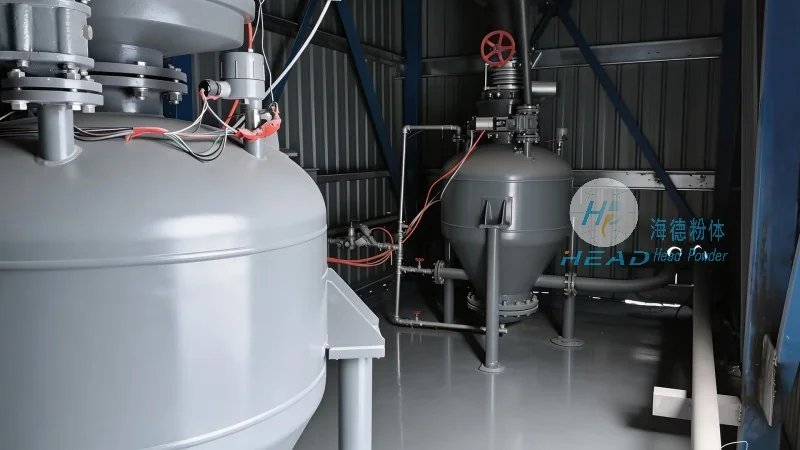
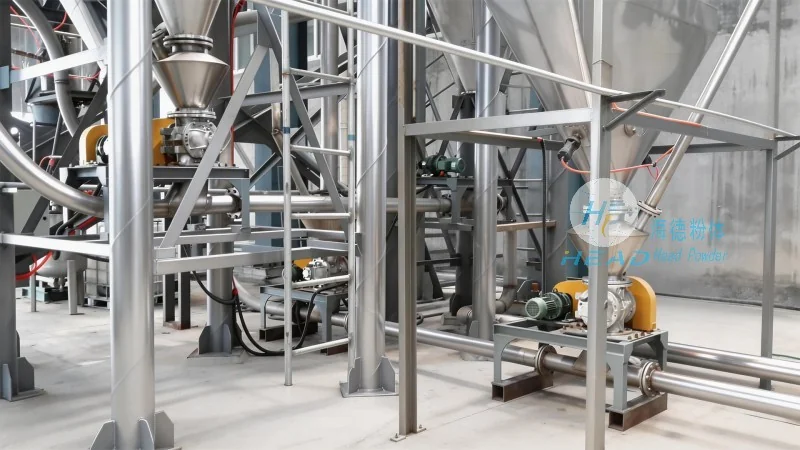
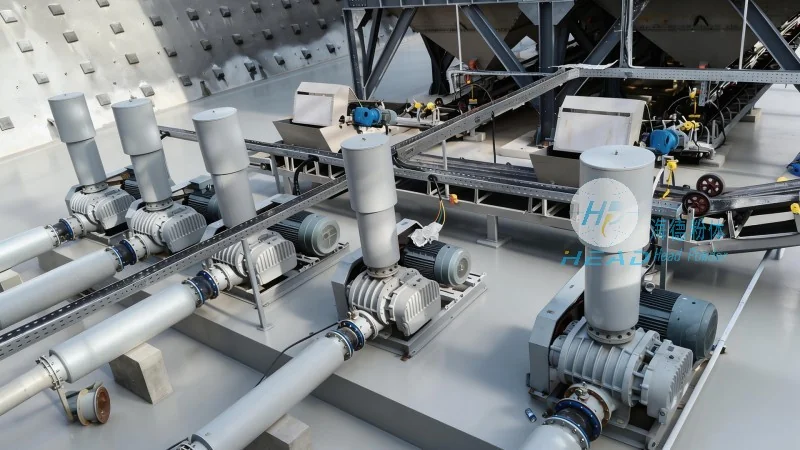
Pneumatic conveying systems operate on the principle of using air or gas to transport bulk materials through a pipeline network. For peanut powder, which is typically fine and lightweight, the system relies on creating a pressure differential to move the material efficiently. The process begins with the powder being fed into a hopper, where it is then drawn into the pipeline by the moving air stream generated by an air compressor or blower. The air velocity and pipeline diameter are carefully selected to ensure that the powder particles are carried along without causing excessive pressure drops or material degradation. Key components of the system include the hopper (for material storage and feeding), the air compressor or blower (to generate the necessary airflow), the pipeline network (to transport the material), and the discharge unit (to control the release of the powder). The hopper is designed to maintain a consistent material level, while the air compressor provides the pressure differential required for conveying. The pipeline network is constructed with materials that resist corrosion and wear, ensuring durability under the abrasive nature of peanut powder. The discharge unit, often equipped with a valve or regulator, controls the flow rate and direction of the material, allowing for precise delivery to the next stage of the process. The design of the system must account for the specific properties of peanut powder, such as particle size distribution, moisture content, and flow characteristics, to optimize performance and prevent issues like blockages or uneven flow.
Working Scene Characteristics of Peanut Powder Pneumatic Conveying Systems
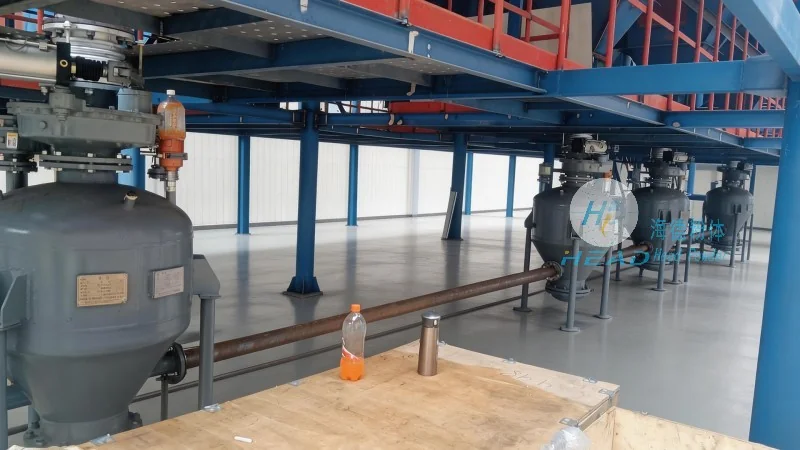
The operational environments for peanut powder pneumatic conveying systems vary based on the specific application and industry. These systems are commonly used in food processing facilities, where the need to handle fine, hygienic powders is paramount. In such settings, the systems must adhere to strict sanitary standards to prevent contamination and ensure product safety. The working scenes often involve high-volume production lines, where the efficiency and reliability of the conveying system directly impact overall production throughput. For instance, in a peanut processing plant, the system may be integrated into a production line that includes grinding, classification, and packaging stages. The peanut powder is transported from the grinding unit to a storage silo or directly to the packaging machine, ensuring a continuous and seamless flow of material. The working environment in these plants typically requires strict control of temperature, humidity, and dust levels to maintain product integrity and prevent spoilage. Additionally, the systems may be used in industrial settings where space is limited, necessitating compact and flexible designs that can be easily integrated into existing layouts. The characteristics of the working scene, such as the need for hygienic operation and material handling efficiency, are carefully considered during the system design to ensure that the equipment meets the specific requirements of the application. Furthermore, the systems are often used in environments where dust control is critical, as excessive dust can affect product quality and pose safety risks. The design of the pipeline network and discharge units includes features like dust collection and filtration to minimize airborne particles and maintain a clean working environment.




