Understanding the principles and application scenarios of pneumatic conveying for lithium-ion battery nanomaterial powders is crucial for optimizing material handling processes in the battery manufacturing industry. This article delves into the technical aspects of pneumatic conveying systems, highlighting how they enhance efficiency and precision in handling sensitive nanomaterials used in lithium-ion battery production.
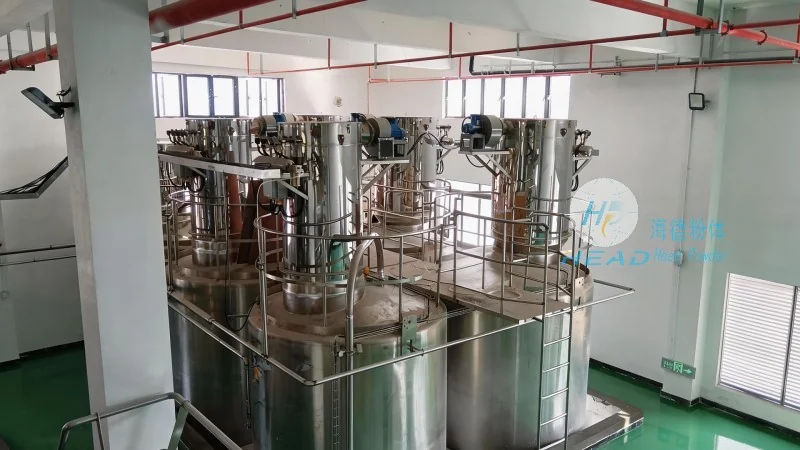
Principles of Pneumatic Conveying for Nanomaterial Powders
Pneumatic conveying systems utilize air or gas to transport particulate materials, such as nanomaterial powders, through a pipeline network. The core principle involves creating a pressure differential or using vacuum to move the material from a source to a destination. There are two primary types of pneumatic conveying: dilute-phase and dense-phase. Dilute-phase systems operate at higher velocities, typically transporting materials in a dispersed state, while dense-phase systems use lower velocities and higher pressure to move material in a more concentrated form, minimizing particle degradation and ensuring better control over flow rates.
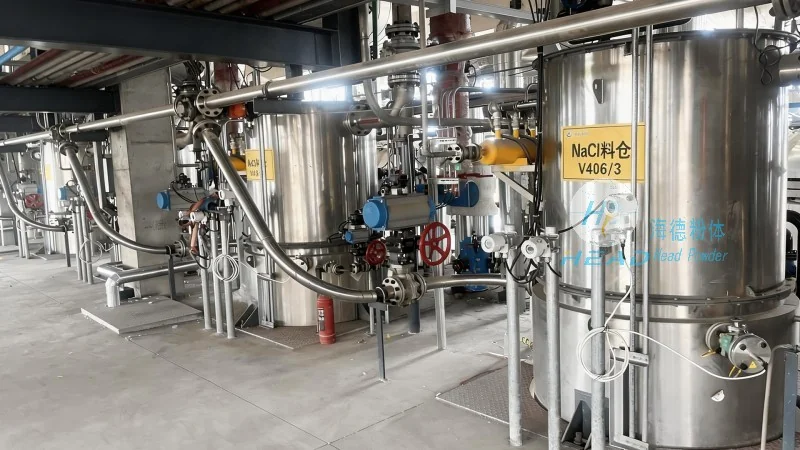
For lithium-ion battery nanomaterials, which often include active materials like lithium cobalt oxide (LiCoO₂), lithium iron phosphate (LiFePO₄), or graphite, the choice of conveying method depends on material properties, particle size, and the required level of product integrity. Nanomaterials are highly sensitive to mechanical stress and moisture, making the selection of an appropriate pneumatic conveying system critical to maintaining their performance characteristics. The system design must consider factors such as particle size distribution, moisture content, and the presence of contaminants to ensure that the material remains in its optimal state throughout the conveying process.
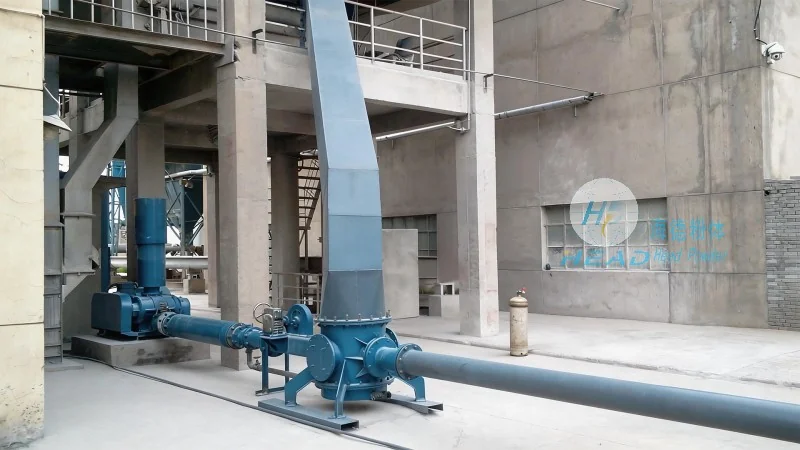
Key Components and Operational Mechanisms
The effectiveness of a pneumatic conveying system for nanomaterial powders relies on several key components, including the feeder, the conveying line, the separation equipment, and the control system. The feeder is responsible for introducing the material into the system, ensuring a consistent flow rate. In pneumatic conveying, the feeder must be designed to handle fine powders without clogging or causing air leakage, which could lead to material loss or system inefficiency. The conveying line, typically made of stainless steel or other corrosion-resistant materials, is designed to withstand the abrasive nature of nanomaterials and maintain a clean environment to prevent contamination.
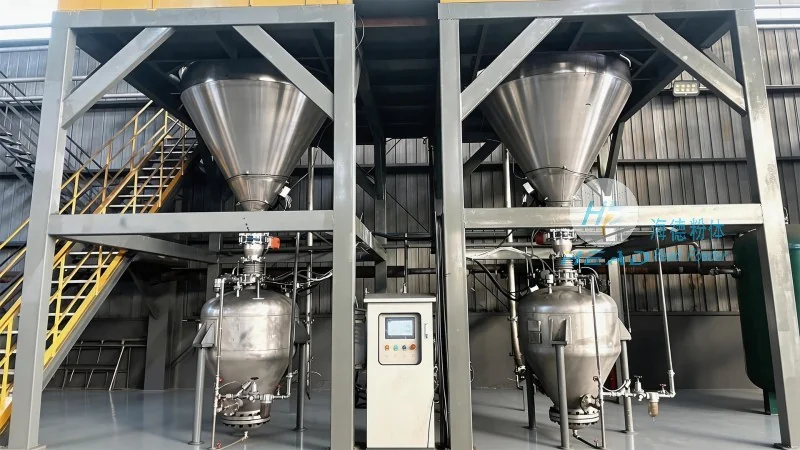
Separation equipment, such as cyclones or filters, is used to separate the conveyed material from the air stream, ensuring that the material is collected efficiently and without loss. The control system monitors and adjusts the pressure, flow rate, and other parameters to maintain optimal operation. For lithium-ion battery nanomaterials, precise control is essential to prevent agglomeration or degradation, which could affect the final battery performance. Advanced control systems may incorporate sensors to detect particle size, moisture content, or flow rate in real-time, allowing for dynamic adjustments to maintain product quality.




