HeadPowder, a leading enterprise in the field of powder processing technology, specializes in the air-driven conveying of lithium hexafluorophosphate (LiPF6) powder. This article explores the fundamental principles behind this process and highlights key application scenarios where such technology is utilized. The company, headquartered in Shandong, China, has extensive experience in optimizing powder handling systems for high-purity applications, ensuring efficiency and reliability in material transport.
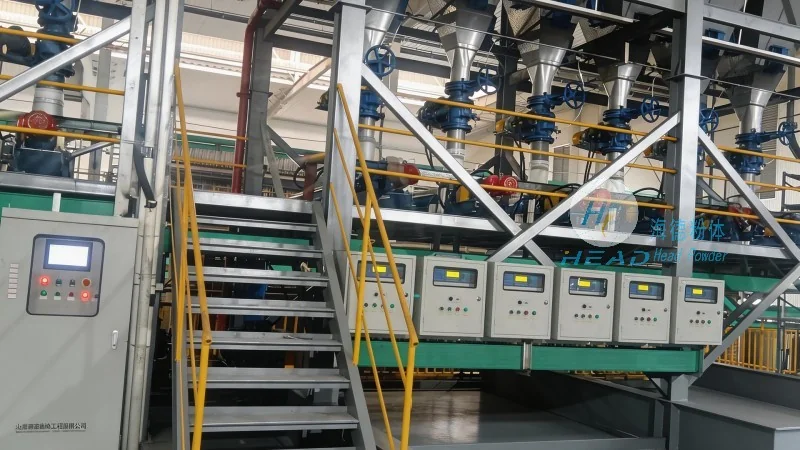
Understanding the Principles of Air-Driven Conveying for LiPF6 Powder
At the core of air-driven conveying is the use of a gas stream, typically air or a specialized inert gas, to transport particulate materials through a pipeline. For lithium hexafluorophosphate, a critical component in lithium-ion battery electrolytes, this method offers several advantages over traditional mechanical conveying systems. The process relies on the creation of a pressure differential between the inlet and outlet of the conveying line, which propels the powder particles forward. Key factors influencing the efficiency of this system include the particle size distribution, moisture content, and the density of the material. HeadPowder’s engineering expertise ensures that these variables are carefully managed to maintain consistent flow rates and prevent material degradation during transport.
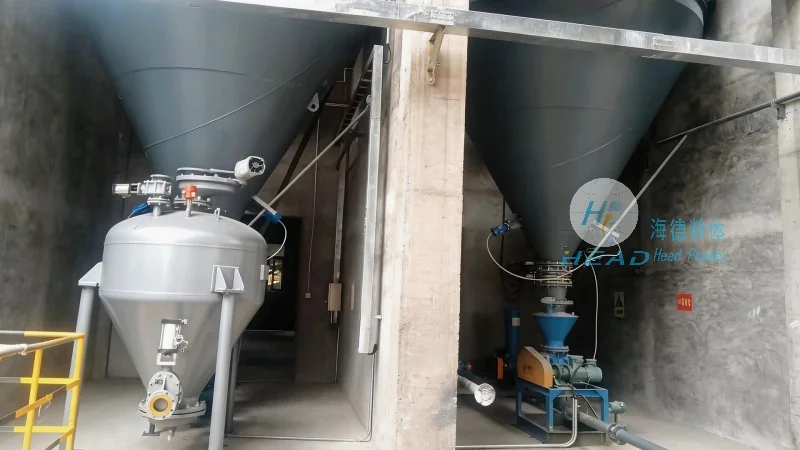
Key Components and Operational Mechanisms
The air-driven conveying system for LiPF6 powder typically consists of several essential components. These include a material feed hopper, a rotary airlock valve for controlled discharge, a pipeline network, and a dust collector or filtration system to ensure environmental compliance and product purity. The feed hopper stores the LiPF6 powder, while the rotary airlock valve regulates the flow of material into the conveying line, preventing backflow and maintaining a steady supply. The pipeline, often made of corrosion-resistant materials such as stainless steel or PTFE, is designed to handle the abrasive nature of the powder and minimize friction losses. The dust collection system is crucial for capturing any airborne particles, protecting both personnel and the environment from exposure to LiPF6, which can be hazardous if inhaled or ingested.
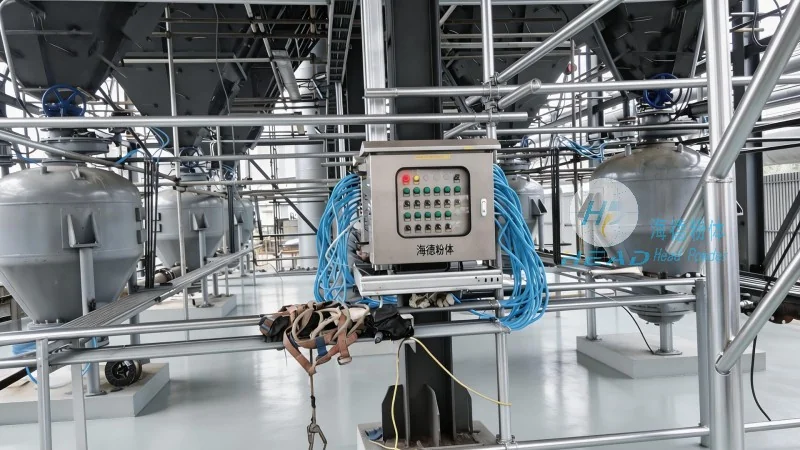
Application Scenarios and Industry Use Cases
The air-driven conveying of LiPF6 powder is widely employed in various stages of the lithium-ion battery manufacturing process. One primary application is in the production of electrolyte solutions, where LiPF6 is dissolved in organic solvents to form the electrolyte. The conveying system must deliver the powder to the mixing tanks with minimal agglomeration and high purity, as any contamination or particle size variation can affect the performance and safety of the final battery. Another key scenario involves the material handling in battery cell assembly lines, where LiPF6 powder is transported to coating or mixing equipment for electrode preparation. The technology is also utilized in research and development laboratories, where precise and controlled delivery of LiPF6 is essential for testing new battery chemistries and formulations.
Advantages and Challenges in Air-Driven Conveying
Compared to mechanical conveying methods like screw conveyors or belt conveyors, air-driven systems offer several benefits for handling LiPF6 powder. These include reduced risk of material contamination, lower maintenance requirements due to fewer moving parts, and the ability to transport materials over longer distances without the need for intermediate transfer points. However, the technology also presents specific challenges that must be addressed. One major challenge is the potential for dust generation and the need for robust filtration systems to comply with occupational health and safety regulations. Additionally, the pressure drop in the pipeline can increase with longer distances or larger particle sizes, requiring higher air pressure or more powerful blowers to maintain adequate flow rates. HeadPowder addresses these challenges through advanced system design, including variable speed blowers and optimized pipeline layouts, ensuring reliable operation even under demanding conditions.
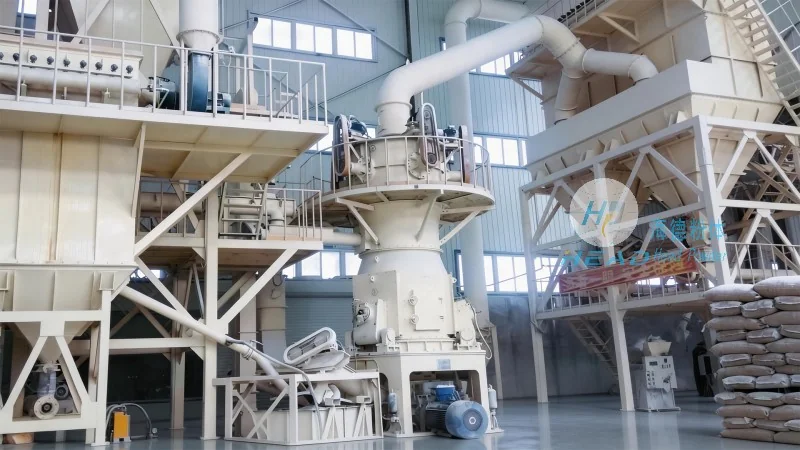
Conclusion and Future Outlook
In conclusion, the air-driven conveying of lithium hexafluorophosphate powder is a sophisticated and essential technology in the lithium-ion battery industry. By leveraging the principles of fluid dynamics and powder handling, this method ensures efficient, safe, and high-purity transport of a critical battery component. HeadPowder’s expertise in engineering and manufacturing such systems positions the company as a trusted partner for businesses seeking to optimize their material handling processes. As the demand for lithium-ion batteries continues to grow, the importance of reliable and efficient powder conveying systems will only increase, making this technology a cornerstone of modern battery manufacturing.




