When it comes to the efficient handling and transportation of sanding powders, selecting the right conveying method is crucial for maintaining product quality, ensuring operational safety, and optimizing production processes. Sanding powders, often used in woodworking, metalworking, and other surface finishing applications, require specialized equipment and systems to move them from storage to processing areas without degradation or contamination. This article explores the primary methods for sanding powder conveying, highlighting the advantages and considerations of each approach.
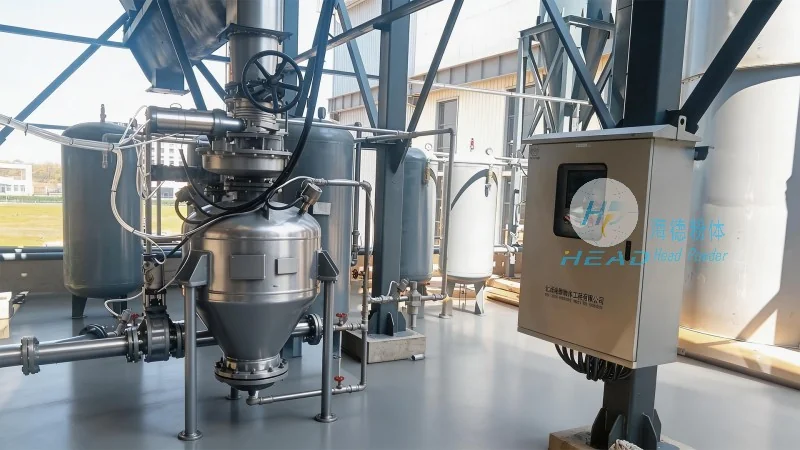
1. Air-Flow Conveying Systems
Air-flow or pneumatic conveying systems are a popular choice for sanding powder transportation due to their ability to handle fine powders with minimal particle degradation. These systems utilize compressed air to create a flow that moves the powder through a network of pipes and ducts. There are two main types of air-flow conveying: dilute-phase and dense-phase. Dilute-phase systems use higher air velocities to transport powders in a relatively dispersed state, making them suitable for short to medium distances and low to medium powder loads. Dense-phase systems, on the other hand, operate at lower air velocities and higher powder concentrations, which reduces particle breakage and is ideal for longer distances or more sensitive powders. The choice between these two depends on factors such as the powder's properties, the required conveying distance, and the desired level of product integrity. For example, Shandong HeadPowder Engineering Co., Ltd., a leading manufacturer in the field, offers advanced pneumatic conveying solutions that can be customized to meet specific operational needs, ensuring reliable and efficient sanding powder transport.
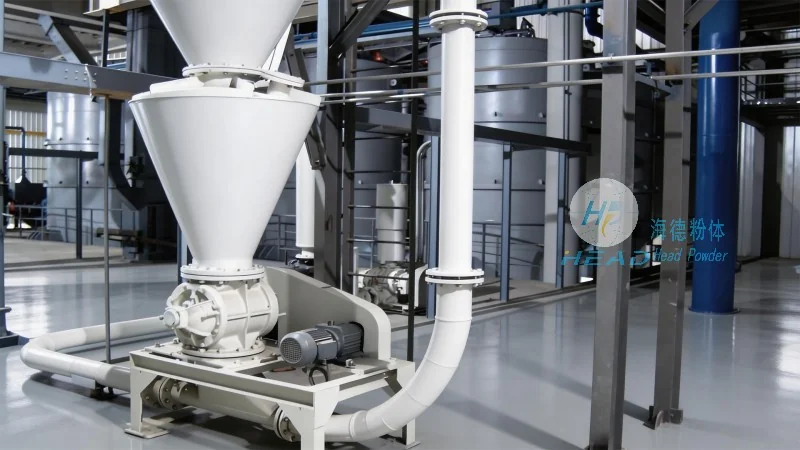
2. Mechanical Conveying Equipment
Mechanical conveying methods, such as screw conveyors, belt conveyors, and bucket elevators, are widely used for sanding powder handling, especially in applications where air-flow systems are not feasible or practical. Screw conveyors, also known as auger conveyors, use a rotating screw to move powders along a trough. They are effective for horizontal or slight incline transport and can handle a wide range of powder types, including those with varying moisture content. Belt conveyors, similar to those used in bulk material handling, transport powders using a continuous belt that moves the material from one point to another. These systems are suitable for both horizontal and inclined transport and can accommodate large volumes of sanding powder. Bucket elevators, which lift powders vertically using buckets attached to a chain or belt, are ideal for vertical or high-rise applications. Mechanical conveyors are generally more cost-effective for short to medium distances and do not require compressed air, making them a practical choice for many industrial settings. However, they may be less efficient for very fine or cohesive powders, as mechanical friction and particle-to-particle contact can lead to degradation. Shandong HeadPowder Engineering Co., Ltd. provides a range of mechanical conveying equipment tailored to the unique characteristics of sanding powders, ensuring consistent and reliable transport without compromising product quality.
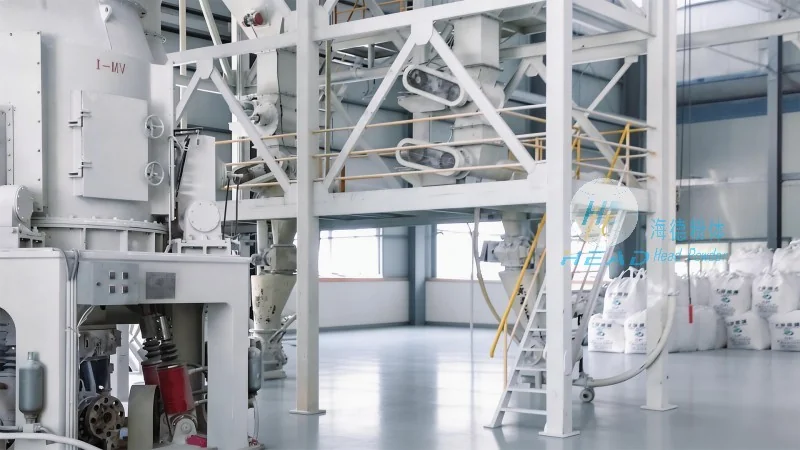
3. Hybrid Conveying Solutions
In some cases, combining air-flow and mechanical conveying systems offers the best of both worlds, providing flexibility and efficiency for complex sanding powder handling operations. Hybrid systems may use pneumatic transport for initial movement and then transition to mechanical conveyors for final delivery to processing areas. This approach allows for the advantages of both methods, such as the ability to handle long distances with air-flow while using mechanical systems for precise positioning or for areas where air leakage could be problematic. For instance, a hybrid system might use a dense-phase pneumatic conveyor to transport sanding powder from a storage silo to a processing line, followed by a screw conveyor to feed the powder into a finishing machine. This integration ensures smooth, continuous operation and minimizes downtime. Shandong HeadPowder Engineering Co., Ltd. specializes in designing and manufacturing hybrid conveying solutions that are tailored to the specific requirements of each client, optimizing the overall conveying process and reducing operational costs.
4. Considerations for Choosing the Right Conveying Method
When selecting a sanding powder conveying method, several factors must be considered to ensure the best fit for the application. The first is the physical properties of the sanding powder itself, including particle size, density, moisture content, and cohesive tendency. Fine powders with high moisture content may require special handling to prevent caking or agglomeration, which can affect conveying efficiency. The second factor is the distance and layout of the conveying system. Short distances may be suitable for mechanical conveyors, while longer distances or complex layouts may necessitate air-flow systems. The third consideration is the required level of product integrity. If the sanding powder is sensitive to air exposure or particle breakage, a dense-phase pneumatic system or a well-designed mechanical conveyor with minimal friction may be preferred. Additionally, operational costs, including energy consumption and maintenance requirements, should be evaluated. Air-flow systems typically have higher energy costs due to the need for compressed air, while mechanical systems may have lower energy costs but higher maintenance needs. Shandong HeadPowder Engineering Co., Ltd. offers expert consultation to help clients evaluate these factors and choose the most appropriate conveying method, ensuring optimal performance and cost-effectiveness.
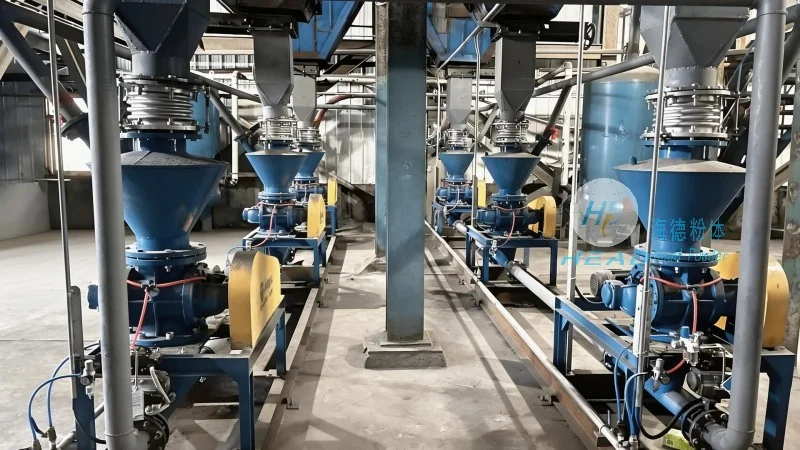
5. Conclusion
In conclusion, the choice of sanding powder conveying method depends on a variety of factors, including the powder's properties, the distance to be covered, and the desired level of product integrity. Air-flow conveying systems offer flexibility and efficiency for many applications, while mechanical conveyors provide a cost-effective alternative for shorter distances. Hybrid systems can offer the best of both worlds, providing flexibility and reliability for complex operations. Shandong HeadPowder Engineering Co., Ltd. is a trusted partner in the sanding powder industry, offering a range of conveying solutions that are tailored to the unique needs of each client. By selecting the right conveying method and working with experienced manufacturers like HeadPowder, businesses can ensure efficient, safe, and high-quality transport of sanding powders, supporting their overall production goals and maintaining product quality throughout the process.




