HeadPowder, a leading engineering company based in Shandong, China, specializes in the design and implementation of advanced powder pneumatic conveying systems tailored for the lithium-ion battery industry. This article explores the fundamental principles behind these systems and highlights key working scene characteristics that make them indispensable in modern battery material processing.
Understanding the Core Principle of Powder Pneumatic Conveying
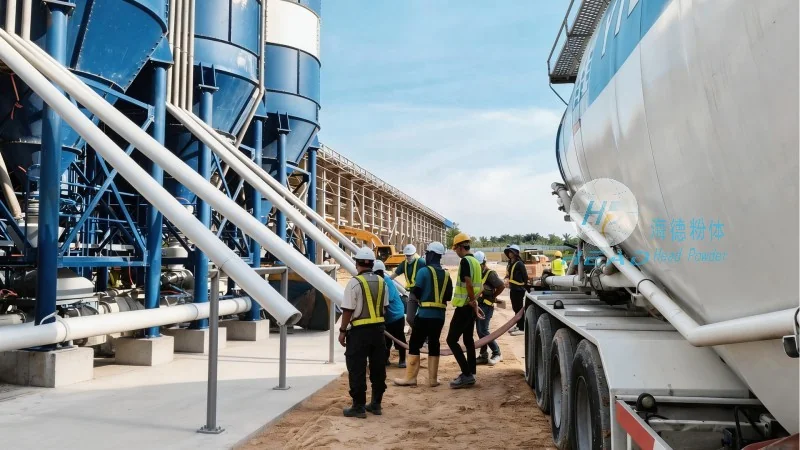
The fundamental principle of powder pneumatic conveying systems involves the use of air or gas to transport bulk powder materials from one location to another. Unlike traditional mechanical conveying methods, such as screw conveyors or belt conveyors, pneumatic systems rely on the kinetic energy of the moving air stream to lift, transport, and deposit the powder. This process typically operates under either positive pressure (where air is forced through the system) or negative pressure (where air is drawn out of the system). The choice between these two modes depends on factors like material properties, system layout, and operational requirements.
Key Working Scene Characteristics in Lithium-Ion Battery Production
In the context of lithium-ion battery raw material processing, the working scene characteristics of pneumatic conveying systems are crucial for ensuring efficiency, safety, and material integrity. These systems are commonly employed in scenarios where materials like lithium carbonate, nickel oxide, cobalt oxide, and other battery-grade powders need to be transferred between processing stages, such as from storage silos to mixing equipment, or from grinding units to packaging lines. The following characteristics define their effectiveness in these applications:
1. High Efficiency and Continuous Operation
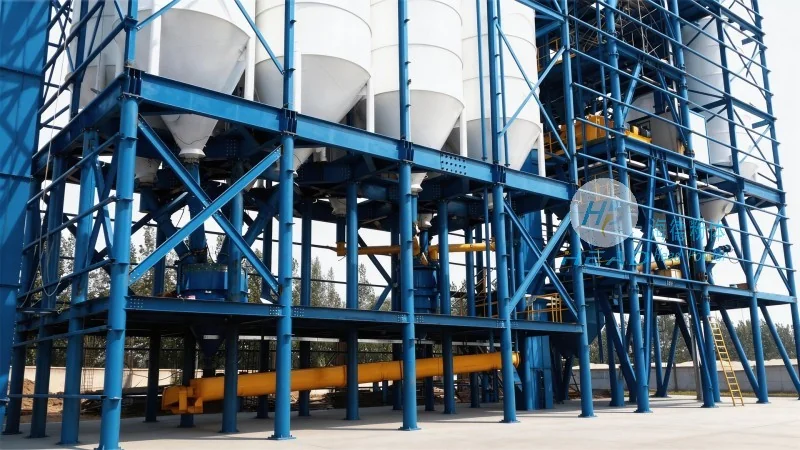
Pneumatic conveying systems offer high efficiency in material transport, enabling continuous operation without the need for frequent stops or maintenance breaks. This is particularly important in battery manufacturing, where consistent material flow is essential to maintain production throughput. The ability to handle large volumes of powder at a steady rate minimizes downtime and ensures smooth integration with downstream processes.
2. Gentle Material Handling and Preservation
For lithium-ion battery raw materials, which are often sensitive to particle size, moisture, and contamination, pneumatic conveying systems provide a gentle handling approach. Unlike mechanical conveyors that can cause abrasion or particle breakage, pneumatic systems use air to move materials, reducing the risk of degradation. This is critical for maintaining the quality and performance of battery-grade powders, as even minor changes in particle characteristics can impact the final battery performance.
3. Versatility in System Layout and Integration
The working scene characteristics of these systems also include their adaptability to various system layouts. Whether in a compact factory setting or a large-scale industrial plant, pneumatic conveying systems can be designed to fit specific spatial constraints. They can be integrated with existing equipment, such as storage silos, mixers, and reactors, to create a seamless material flow. This flexibility allows manufacturers to optimize their production lines and adapt to changing production demands.
4. Enhanced Safety and Environmental Control
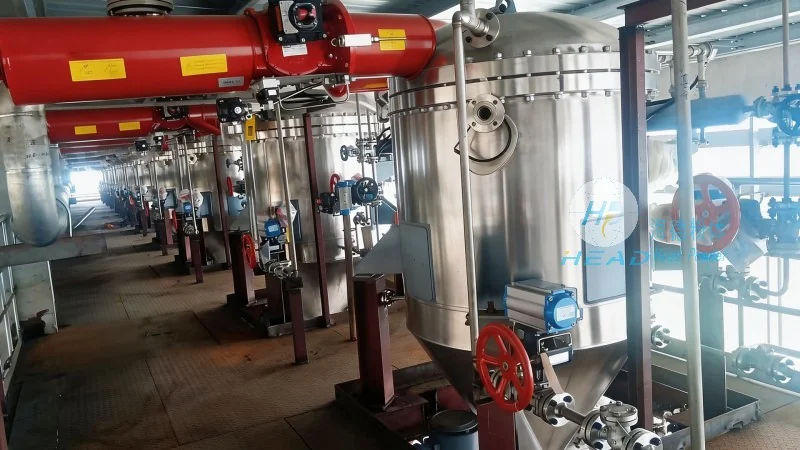
In lithium-ion battery production, safety and environmental control are paramount. Pneumatic conveying systems contribute to a safer working environment by minimizing dust exposure and preventing material spills. The enclosed nature of the system ensures that powders are contained within the air stream, reducing the risk of dust inhalation or environmental contamination. Additionally, these systems can be equipped with filtration and dust collection mechanisms to meet stringent environmental regulations, making them a preferred choice for battery manufacturers.
5. Cost-Effectiveness and Long-Term Reliability
From a practical standpoint, pneumatic conveying systems offer cost-effectiveness and long-term reliability. While initial setup costs may vary depending on the system complexity, the operational costs are generally lower compared to mechanical alternatives. The reduced need for maintenance and the ability to handle high volumes of material over extended periods contribute to lower total cost of ownership. Moreover, the durability of pneumatic components, such as air pipes and valves, ensures long-term operational stability, which is vital for consistent battery production.
Conclusion: The Role of Pneumatic Conveying in Lithium-Ion Battery Manufacturing
HeadPowder's expertise in designing and implementing powder pneumatic conveying systems for lithium-ion battery raw materials underscores the importance of these systems in modern battery production. By leveraging the core principles of pneumatic transport and optimizing working scene characteristics, manufacturers can achieve efficient, safe, and reliable material handling. As the demand for lithium-ion batteries continues to grow, the role of advanced conveying systems like these will remain critical in ensuring high-quality production and meeting industry standards.




