Heavy calcium powder, a vital raw material in industries such as plastics, paper, and coatings, demands efficient and reliable transportation to maintain seamless production workflows. As a leading engineering firm, Shandong HeadPowder Engineering Co., Ltd. specializes in delivering tailored solutions for heavy calcium powder handling. This article explores the primary transportation methods used for heavy calcium powder, focusing on practical applications and operational considerations to help businesses optimize their material handling processes.
Key Factors Influencing Transportation Method Selection
The choice of transportation method for heavy calcium powder is influenced by several critical factors, including the powder's bulk density, flow characteristics, moisture content, and the physical layout of the production facility. For instance, high-volume, long-distance transport often favors pneumatic systems, while shorter distances or site-specific constraints may make mechanical systems more suitable. Environmental regulations and space availability also play a significant role in the decision-making process. Understanding these factors is essential for selecting a method that balances efficiency, cost, and material integrity.
Pneumatic Conveying Systems
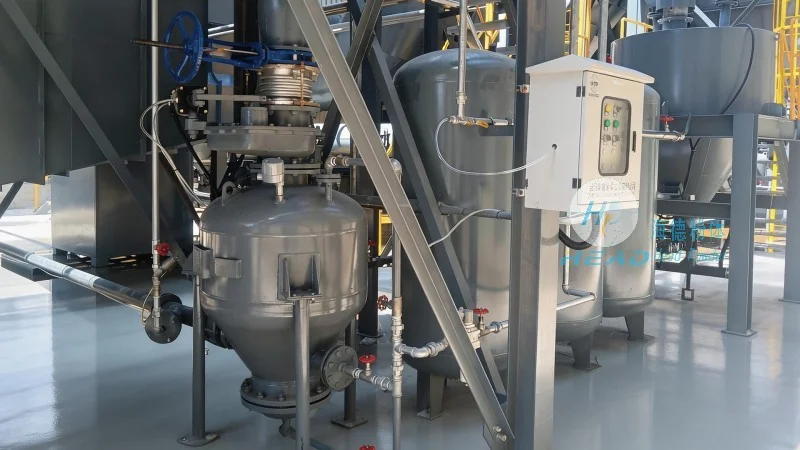
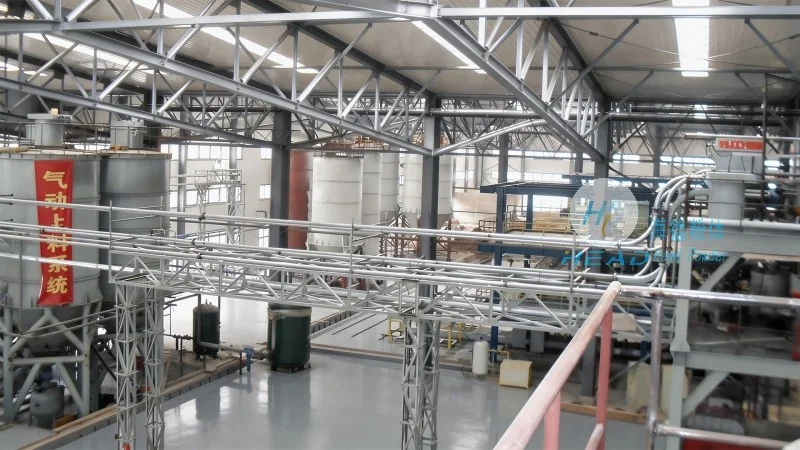
Pneumatic conveying is a widely adopted method for transporting heavy calcium powder due to its ability to handle fine powders with minimal dust generation and high operational efficiency. This system utilizes compressed air to move the powder through a pipeline network. There are two main types: pressure and vacuum systems. Pressure systems, where air is introduced at the inlet, are ideal for short to medium distances and can handle larger material quantities. Vacuum systems, which draw the powder into the system using a vacuum at the outlet, are suitable for longer distances or when the powder needs to be transported from multiple sources to a central location. The selection between these systems depends on the specific operational requirements and the facility's layout.
Screw Conveyors
Screw conveyors, or auger conveyors, are another effective method for transporting heavy calcium powder. These systems consist of a rotating screw inside a trough, which moves the powder along the length of the conveyor. Screw conveyors are particularly advantageous for vertical or inclined transport, as they can lift the powder against gravity. They are also suitable for handling powders with moderate moisture content and can be designed for both horizontal and vertical orientations. The key benefits of screw conveyors include their simplicity, low maintenance requirements, and cost-effectiveness. However, they may not be ideal for very fine or cohesive powders, as these can lead to blockages or reduced efficiency.
Belt Conveyors
Belt conveyors are extensively used in bulk material handling, including heavy calcium powder, due to their high capacity and ability to transport materials over long distances. These systems feature a continuous belt moving over rollers, with the powder placed on the belt and carried to the destination. Belt conveyors are particularly effective for horizontal transport and can handle large volumes of material. They are also adaptable to both open and enclosed environments, providing installation flexibility. The main advantages of belt conveyors include durability, low maintenance, and continuous operation capabilities. However, they require more space than other systems and may not be suitable for very fine powders that could cause dust issues or degrade the belt.
Hydraulic Conveying
Hydraulic conveying systems utilize water or other liquids to transport heavy calcium powder. The powder is mixed with the liquid to form a slurry, which is then pumped through pipelines to the destination. This method is highly effective for long-distance transport, as it can handle large volumes of material with minimal energy consumption. Hydraulic systems are also suitable for transporting powders with high moisture content or those prone to caking. Nevertheless, they require additional equipment for slurry preparation and separation, which can increase operational costs. The choice of hydraulic conveying depends on the specific characteristics of the powder and the distance to be covered.
Integrated Transportation Solutions
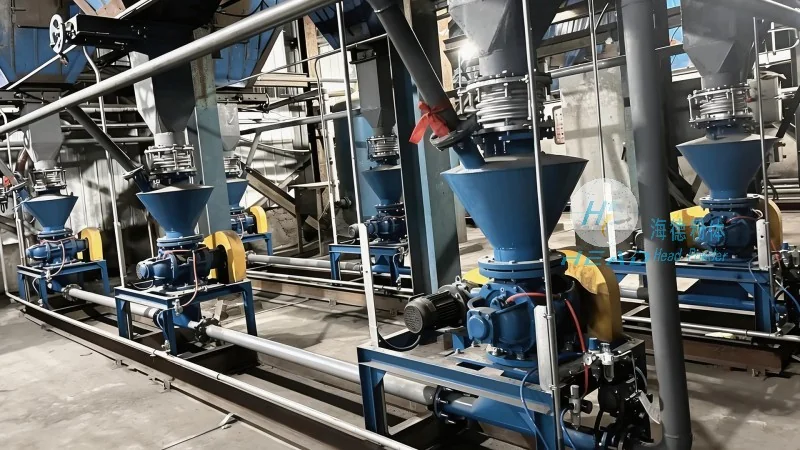
In many industrial settings, a single transportation method may not fully address all operational needs. Therefore, combination systems are often employed, integrating multiple technologies to optimize performance. For example, a pneumatic system might be used for short-distance transport from a storage silo to a processing unit, while a screw conveyor handles material within the processing plant. This approach allows for flexibility and efficiency, as each system is selected based on its specific strengths. Combination systems are particularly common in large-scale production facilities where different stages of the process require different handling methods.
Conclusion
Selecting the right transportation method for heavy calcium powder is crucial to ensuring efficient and reliable operations. Shandong HeadPowder Engineering Co., Ltd. offers a range of customized solutions, including pneumatic, screw, belt, and hydraulic systems, tailored to the unique needs of each client. By considering factors such as material characteristics, operational requirements, and cost, businesses can select the most suitable method to optimize their production processes. With decades of experience in the industry, HeadPowder provides expert guidance and reliable solutions to meet the diverse needs of heavy calcium powder handling, ensuring smooth and efficient material flow from storage to processing.




