When it comes to transporting corn starch, the choice between positive pressure and negative pressure pneumatic conveying systems is a critical decision for many industrial operations. Both methods leverage air to move bulk materials, but they operate on fundamentally different principles, each with distinct advantages and limitations. This article provides a detailed comparison of positive pressure and negative pressure conveying for corn starch, helping industry professionals select the most suitable system for their specific needs.
Understanding Pneumatic Conveying Systems
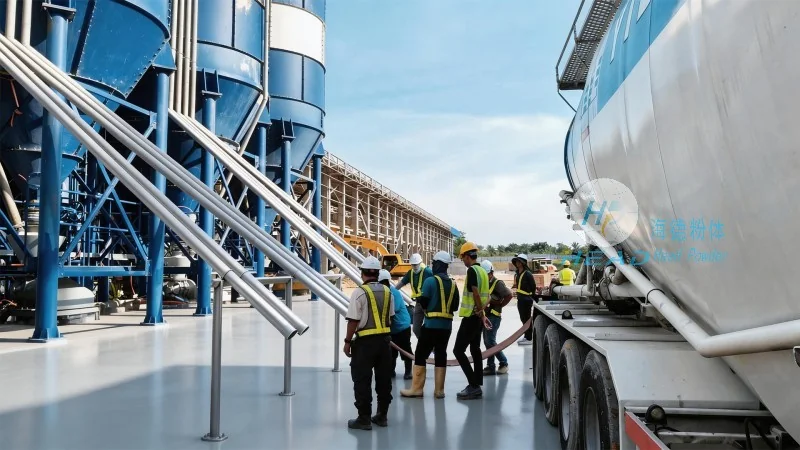
Pneumatic conveying is a technology that uses air to transport bulk materials like corn starch through a pipeline. It offers a dust-free, enclosed system that can improve safety and product quality compared to traditional methods such as bucket elevators or belt conveyors. The two primary types are positive pressure and negative pressure systems, which differ in how they generate the air flow to move the material.
Positive Pressure Conveying: How It Works
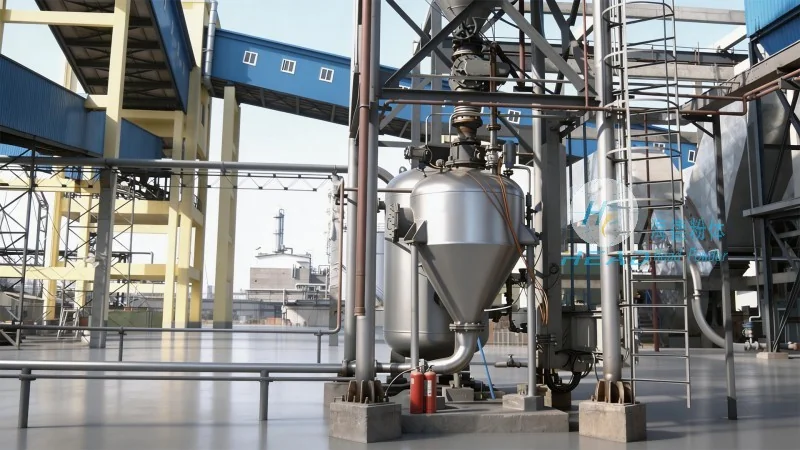
Positive pressure conveying operates by blowing air into the conveying line, creating a pressure higher than the ambient air. The material is fed into the system, and the pressurized air propels it through the pipeline. This method is often called "blow" or "pressure" conveying. For corn starch, positive pressure systems are typically used for short to medium distances and when the material is relatively dry and free-flowing. The high pressure ensures that the material is moved efficiently without clogging, making it suitable for applications where the starch is being transferred from a storage silo to a processing plant or packaging line.
Key Advantages of Positive Pressure Conveying for Corn Starch
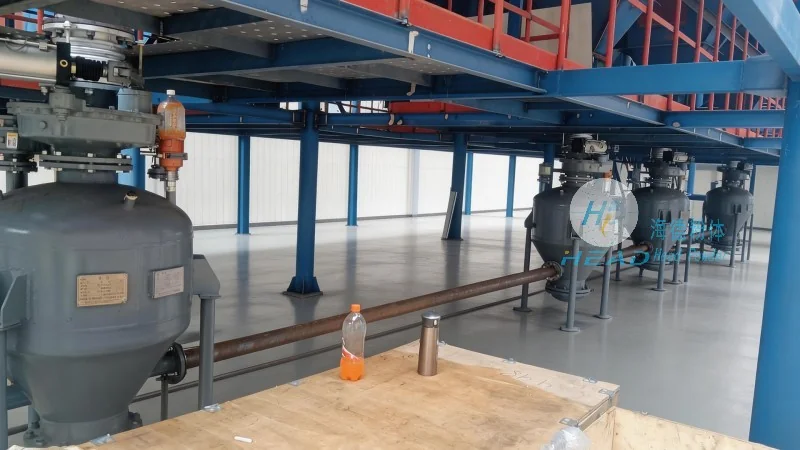
One of the main benefits of positive pressure conveying is its ability to handle a wide range of particle sizes and moisture contents. The high air velocity helps to prevent material buildup and clogging, which is particularly important for corn starch, which can be prone to bridging or agglomeration. Additionally, positive pressure systems can operate at higher speeds, reducing the overall conveying time and increasing throughput. They are also generally more reliable for long-distance transfers, as the pressure can be maintained consistently throughout the pipeline.
Challenges and Limitations of Positive Pressure Conveying
Despite its advantages, positive pressure conveying has some drawbacks. The high pressure required can lead to increased energy consumption and higher maintenance costs, as the system needs robust components like high-pressure blowers and seals. Furthermore, the system can be noisy and may require more extensive ventilation to manage the air discharge. Another concern is the potential for material degradation if the air temperature is too high, as excessive heat can affect the quality of the corn starch, especially if it is intended for food or pharmaceutical applications.
Negative Pressure Conveying: An Alternative Approach
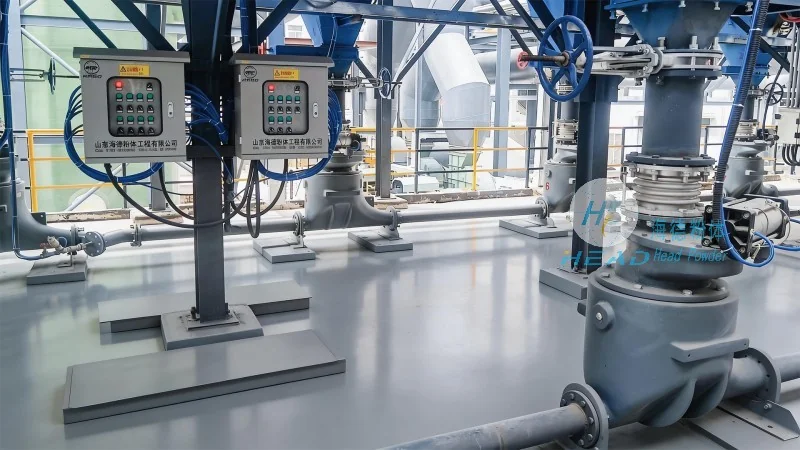
Negative pressure conveying, also known as "suction" or "vacuum" conveying, works by creating a vacuum in the conveying line, drawing the material into the system. The material is fed into the inlet, and the vacuum pulls it through the pipeline to the destination. This method is often used for short to medium distances and when the material is relatively dry and free-flowing, similar to positive pressure systems. However, negative pressure conveying is particularly effective for applications where the material is being collected from multiple points or from a low-level source, as the vacuum can pull the material from various locations into a central collection point.




