When it comes to transporting grain particles efficiently and safely, pneumatic conveying systems offer a reliable solution. However, the choice between positive pressure and negative pressure conveying can significantly impact operational performance, cost, and environmental impact. This article provides a detailed comparison of these two methods, highlighting their working principles, key advantages, and practical applications in the grain industry.
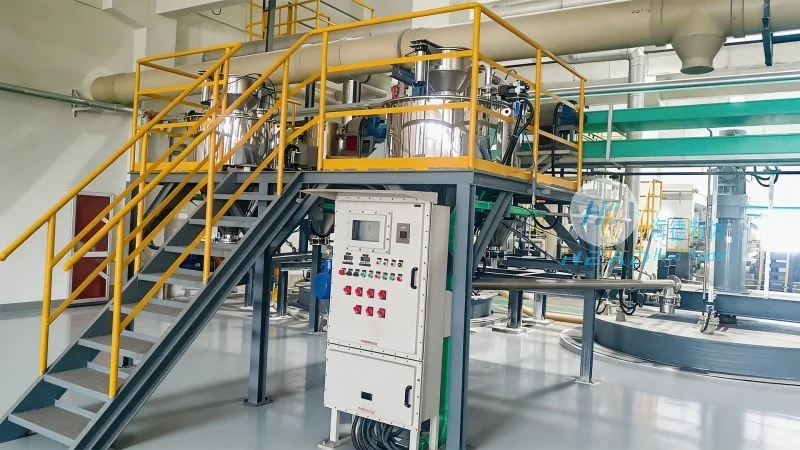
Introduction to Pneumatic Conveying Systems for Grain Particles
Pneumatic conveying uses air to transport bulk materials like grain particles through a pipeline. Unlike mechanical systems that rely on belts or screws, pneumatic conveyors move materials by creating a flow of air. The two primary types are positive pressure and negative pressure systems, each with distinct characteristics that make them suitable for different scenarios.
Positive Pressure Conveying: Working Principle and Applications
Positive pressure conveying operates by blowing air and grain particles into the pipeline using a positive pressure blower or fan. The air pressure is higher than the ambient pressure, pushing the material forward. This method is ideal for long-distance transportation, as it can maintain sufficient pressure to overcome friction and elevation changes. It is commonly used in large-scale grain handling facilities, such as ports, silos, and processing plants, where the distance between the source and destination is significant.
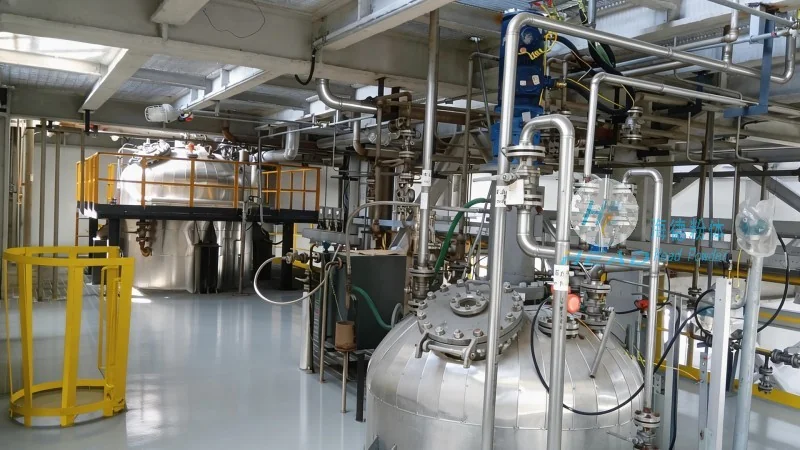
Key advantages of positive pressure systems include their ability to handle high volumes of material, maintain consistent flow rates, and transport materials over steep inclines or long horizontal distances. However, they require robust equipment to withstand high pressures and may generate dust and noise, necessitating proper ventilation and noise control measures. The initial investment and maintenance costs are also higher compared to negative pressure systems due to the need for powerful blowers and durable pipeline components.
Negative Pressure Conveying: Working Principle and Applications
Negative pressure conveying, also known as vacuum conveying, works by creating a vacuum in the pipeline using a vacuum pump. The vacuum draws the grain particles into the system from the source, pulling them through the pipeline to the destination. This method is typically used for shorter distances, as the vacuum pressure is limited by the pump's capacity and the resistance in the pipeline.
One of the main benefits of negative pressure systems is their environmental friendliness. Since the system operates at lower pressures and the material is drawn in rather than pushed out, there is minimal dust leakage and lower noise levels. They are often preferred for applications where the material is sensitive to pressure changes or where space constraints limit the pipeline length. However, negative pressure conveyors have a shorter effective range and may struggle with high-resistance materials or long horizontal runs, requiring additional vacuum boosters or larger pumps.
Comparative Analysis: Key Differences and Selection Criteria
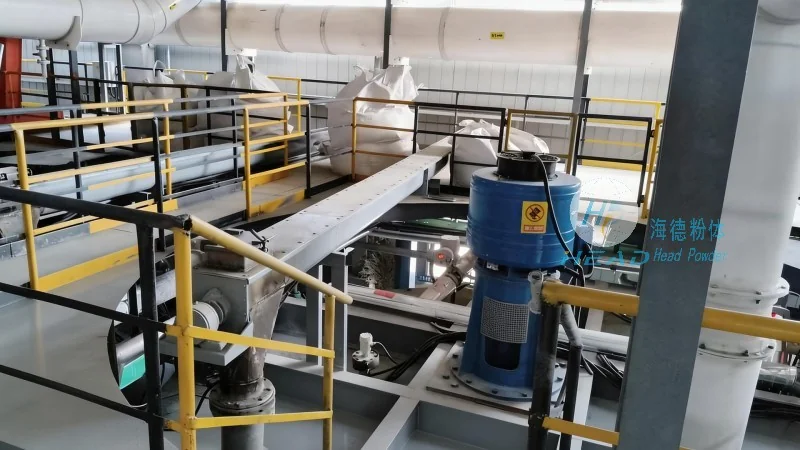
When deciding between positive and negative pressure conveying, several factors must be considered. The primary difference lies in the pressure direction: positive pressure uses excess air pressure to push material, while negative pressure uses vacuum to pull material. This affects the system's design, energy consumption, and operational flexibility.
From an energy perspective, positive pressure systems generally consume more power due to the higher air pressure required. Negative pressure systems are more energy-efficient for short distances but may require more frequent maintenance of vacuum pumps. In terms of material handling, positive pressure is better suited for abrasive or high-volume materials, whereas negative pressure is ideal for delicate or fine particles that could be damaged by high pressure.
Another critical factor is the impact on the environment. Positive pressure systems may release dust and air pollutants if not properly sealed, while negative pressure systems are more enclosed and reduce emissions. The choice also depends on the layout of the facility, with positive pressure often chosen for linear, long-distance setups and negative pressure for compact, short-distance applications.
HeadPowder's Expertise in Pneumatic Conveying Solutions
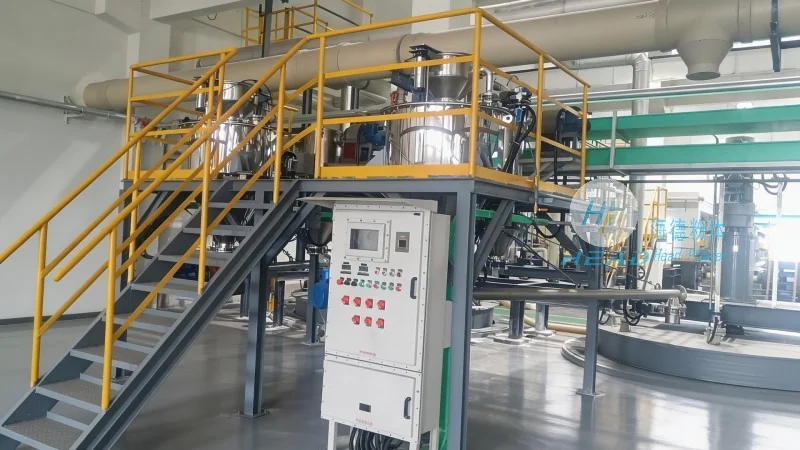
Shandong HeadPowder Engineering Co., Ltd., a leading provider of pneumatic conveying solutions, specializes in designing and manufacturing systems tailored to the unique needs of the grain industry. With headquarters in Shandong, China, HeadPowder leverages decades of experience to deliver customized positive and negative pressure conveying systems that optimize efficiency, reduce operational costs, and ensure compliance with environmental regulations.
Our team of engineers works closely with clients to assess their specific requirements, including grain type, volume, and distance, to recommend the most suitable conveying method. Whether a positive pressure system is needed for long-distance transport or a negative pressure system is preferred for short, enclosed applications, HeadPowder offers comprehensive solutions that integrate advanced technology with robust construction. The company's commitment to quality and innovation ensures that clients receive reliable, durable equipment that enhances their overall grain handling operations.




