HeadPowder, a leading engineering firm based in Shandong, China, specializes in the design and implementation of advanced pneumatic conveying systems for biomass pellet handling. This article provides an overview of biomass pellet pneumatic conveying, detailing the fundamental principles and operational mechanics of such systems.
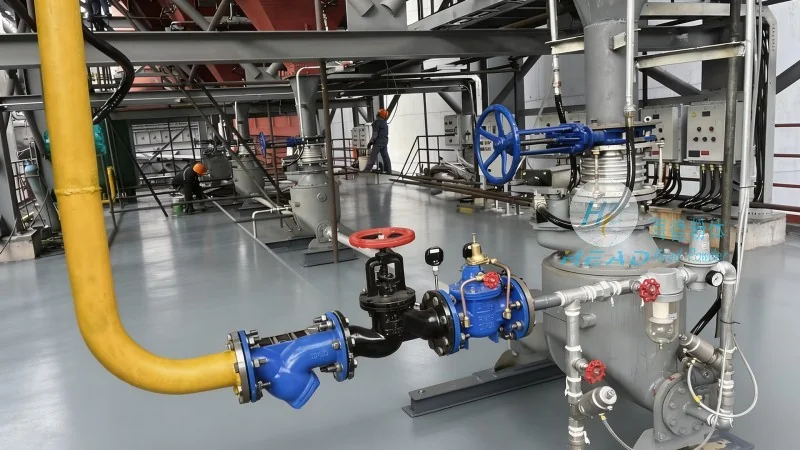
Understanding Pneumatic Conveying Systems for Biomass Pellets
Pneumatic conveying systems are essential for efficiently transporting biomass pellets, which are commonly used as a renewable energy source. These systems utilize air or gas as the primary medium to move bulk materials through a pipeline. The process involves creating a pressure differential that propels the pellets from the source to the destination, ensuring a continuous and controlled flow. HeadPowder's expertise lies in optimizing these systems to meet the specific requirements of biomass pellet handling, from raw material processing to final product distribution.
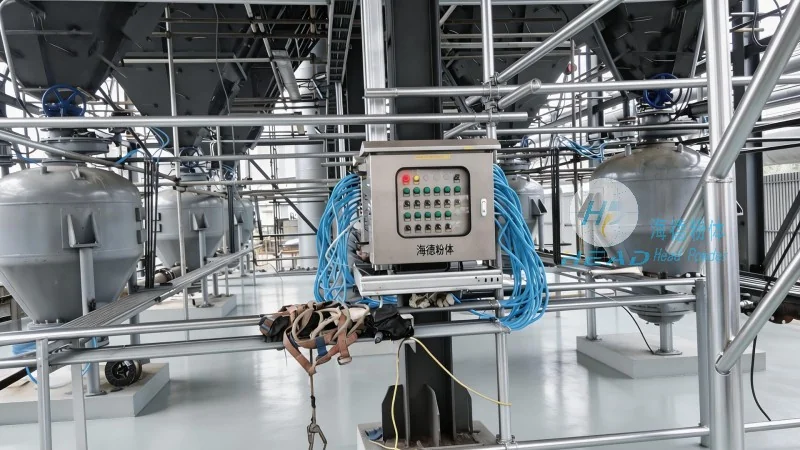
The Core Components and Working Principle
A typical pneumatic conveying system for biomass pellets consists of several key components, each playing a critical role in the overall operation. The main parts include a material feed hopper, a conveying line (often made of stainless steel or other corrosion-resistant materials), a pressure or vacuum source (such as a blower or vacuum pump), and a control system. The working principle involves feeding biomass pellets into the hopper, where they are then drawn or pushed into the conveying line by the air flow. The air velocity is carefully controlled to ensure that the pellets are suspended and transported without causing blockages or degradation. This method is particularly effective for handling fine or abrasive materials like biomass pellets, as it minimizes mechanical wear and maintains product integrity.
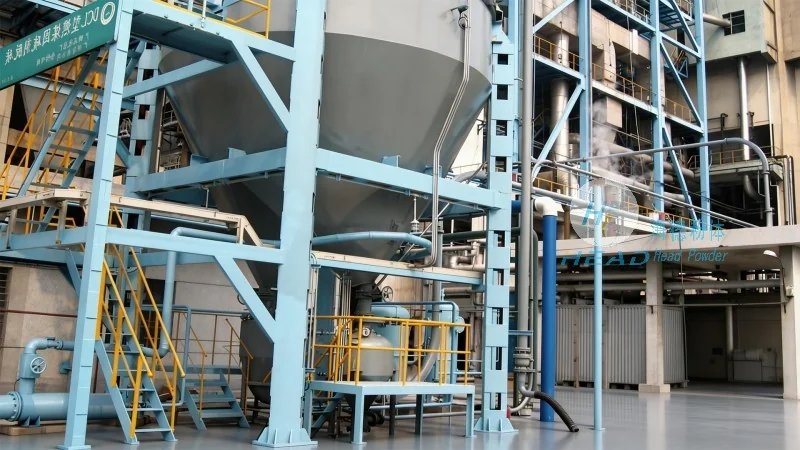
Advantages of Pneumatic Conveying for Biomass Pellets
Compared to traditional mechanical conveying methods, pneumatic systems offer several advantages when dealing with biomass pellets. These include reduced material degradation due to minimal contact with moving parts, lower maintenance costs as there are fewer mechanical components, and the ability to handle materials in a dust-free environment. Additionally, pneumatic conveying can be integrated with other processing equipment, such as pelletizers or dryers, to create a seamless production line. HeadPowder's systems are designed to maximize these benefits, ensuring efficient and reliable operation for clients in the biomass energy sector.
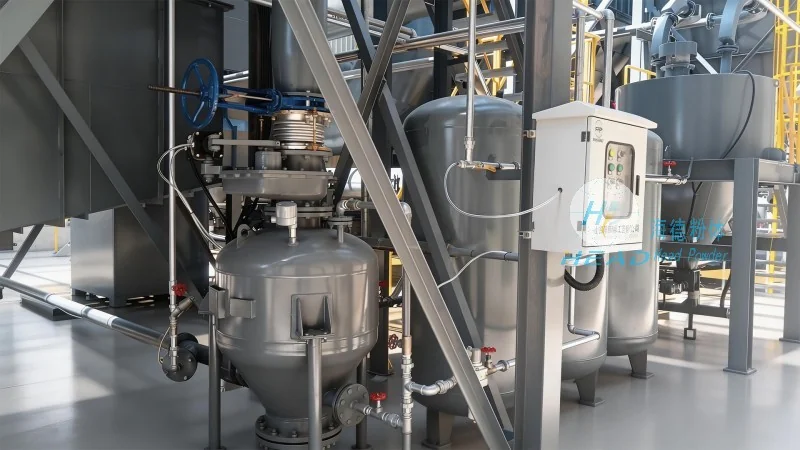
Applications and Customization
Biomass pellet pneumatic conveying systems are widely used in various applications, including the transport of raw biomass materials to pellet mills, the movement of finished pellets to storage or packaging facilities, and the transfer of pellets between different processing stages. HeadPowder understands that each client has unique operational needs, and thus offers customized solutions tailored to specific production capacities, material characteristics, and site constraints. Our engineering team works closely with clients to design systems that optimize performance, energy efficiency, and cost-effectiveness, ensuring that the final solution meets all regulatory and operational standards.




