Pneumatic conveying systems have become an essential technology in material handling, particularly for bulk materials like husk. These systems utilize air pressure to transport particles through a pipeline, offering a flexible and efficient method for moving materials from one location to another. The core principle involves creating a pressure differential that propels the material through the system, making it ideal for applications where traditional methods like belt conveyors or bucket elevators may be less suitable.
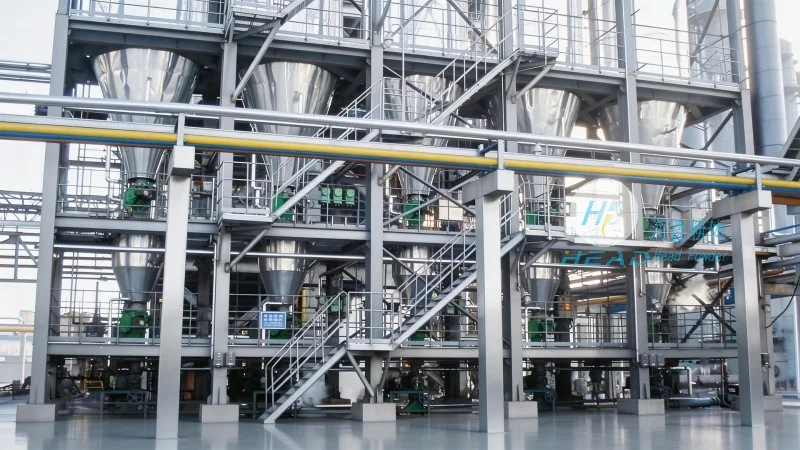
How Pneumatic Conveying Works: A Step-by-Step Explanation
The operation of a pneumatic conveying system involves several key components and processes. First, the material to be conveyed is fed into a hopper or feeder. From there, it is introduced into a pipeline where air is introduced, either by a blower or compressor, creating a flow that carries the material. The system can operate in either positive pressure or negative pressure modes. In positive pressure systems, air is forced into the pipeline, pushing the material forward. Negative pressure systems, also known as vacuum systems, create a vacuum that pulls the material into the pipeline. The choice between these modes depends on the material characteristics, distance to be conveyed, and system design requirements.
Key Components of a Pneumatic Conveying System
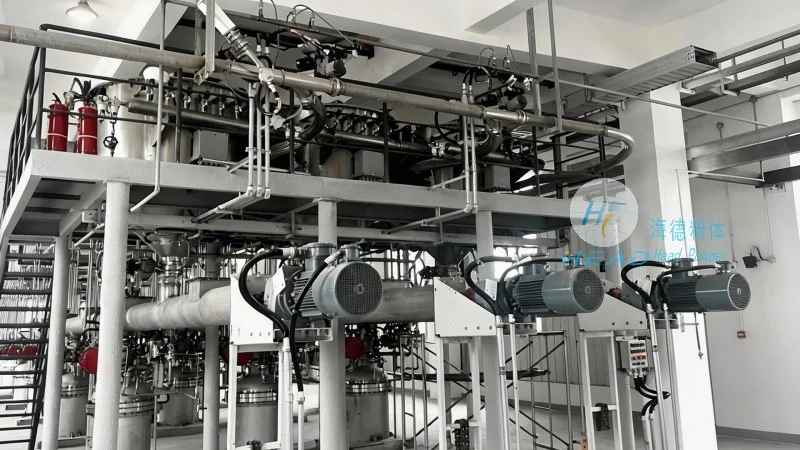
Several critical components make up a pneumatic conveying system. The primary components include a feeder or hopper to control the material flow, a blower or compressor to generate the air pressure, a pipeline network to transport the material, and a receiver or silo to collect the material at the destination. Additional components may include filters to remove dust and moisture, valves to control flow direction, and cyclones or separators to separate the material from the air stream. Each component plays a vital role in ensuring the system operates efficiently and safely.
Applications of Pneumatic Conveying in Husk Handling
Husk, a byproduct of agricultural processes, is often handled using pneumatic conveying systems due to its light weight and dusty nature. These systems are particularly effective in processing facilities where husk needs to be transported from storage areas to processing units or for disposal. The flexibility of pneumatic conveying allows for the movement of husk over long distances without the need for multiple transfer points, reducing the risk of material spillage and contamination. Additionally, the system can handle varying volumes of husk, adapting to the needs of different production cycles.
Advantages of Using Pneumatic Conveying for Husk Material
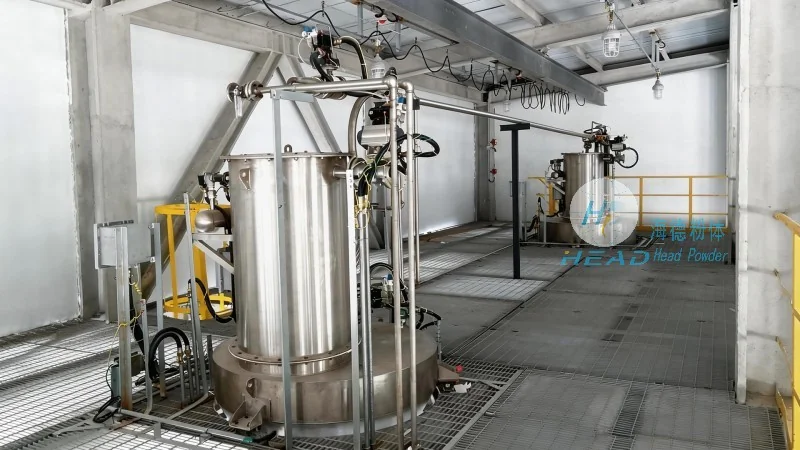
There are several advantages to employing pneumatic conveying systems for husk material handling. One of the main benefits is the ability to transport material in a closed system, which helps maintain hygiene and prevents dust from spreading into the environment. This is crucial in food processing or agricultural facilities where dust control is essential. Another advantage is the reduced need for maintenance compared to traditional conveyor systems, as there are fewer moving parts in the pipeline. Additionally, pneumatic conveying can handle materials with a wide range of particle sizes and moisture content, making it versatile for different husk types.
Customization and System Design Considerations
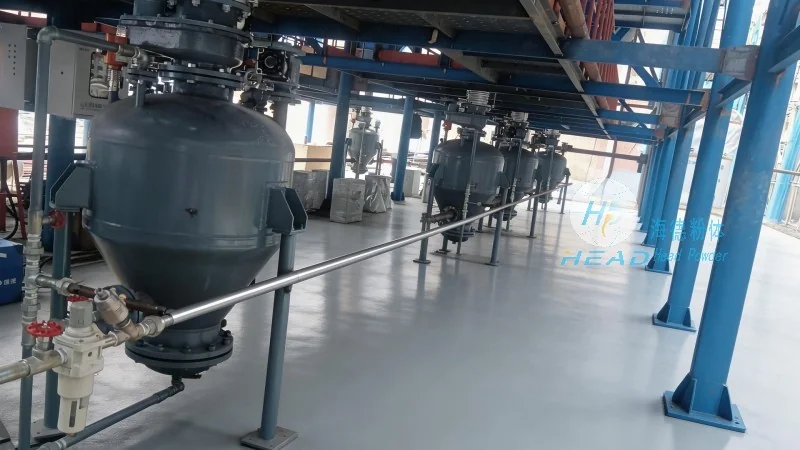
When designing a pneumatic conveying system for husk, several factors must be considered to ensure optimal performance. The first is the material characteristics, such as particle size, density, and moisture content, as these affect the air velocity required for effective transport. The second is the distance and elevation change between the source and destination, which determines the required air pressure and system layout. The third is the desired flow rate, which influences the size of the feeder and blower. Shandong HeadPowder Engineering Co., Ltd., a leading provider of material handling solutions, specializes in designing and manufacturing customized pneumatic conveying systems tailored to the specific needs of their clients. With years of experience in the industry, the company ensures that each system is optimized for efficiency, reliability, and cost-effectiveness.
Installation and Maintenance of Pneumatic Conveying Systems
Proper installation and regular maintenance are critical to the longevity and performance of a pneumatic conveying system. During installation, it is essential to ensure that all components are properly aligned and connected to prevent air leaks or material blockages. The pipeline should be checked for any bends or kinks that could impede the flow. Regular maintenance includes cleaning filters, checking blower performance, and inspecting valves for proper operation. Shandong HeadPowder Engineering Co., Ltd. provides comprehensive maintenance services to ensure that their systems operate at peak efficiency, minimizing downtime and maximizing productivity.




