This article provides an overview of dust gas power conveying systems, specifically focusing on their application in handling dust and the fundamental working principles that enable efficient material transport. The system, often referred to as pneumatic conveying, utilizes air or gas to move bulk materials like dust, powders, and granules through a pipeline network. This method offers a flexible and effective solution for industrial applications where traditional mechanical conveying methods may be less suitable.
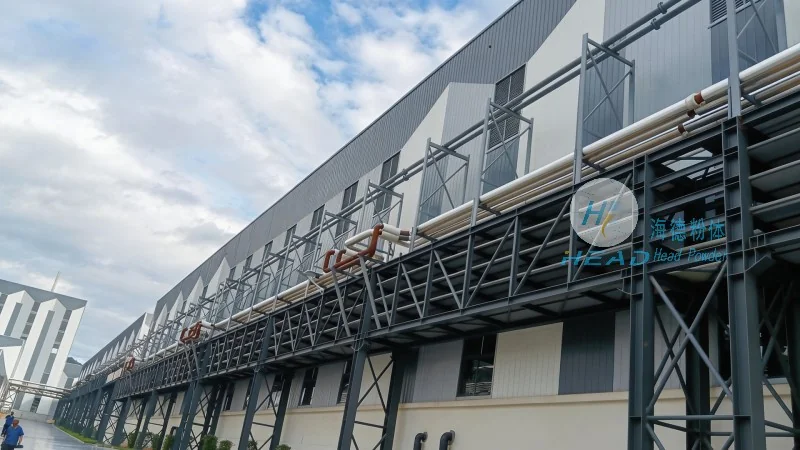
The core of a dust gas power conveying system lies in its ability to generate and control the flow of air or gas within a closed pipeline. The process typically begins with a material feed hopper or silo, where the dust is introduced into the system. A fan or blower then creates a pressure differential, drawing the material into the pipeline and propelling it to the destination point. The system can operate under either positive pressure (where air is forced through the line) or negative pressure (where air is drawn out, creating a vacuum). The choice of pressure type depends on the specific application, material characteristics, and system layout.
Key components of a typical dust gas power conveying system include the material feed device, the conveying line (often made of metal or plastic), the air supply unit (fan or blower), and the discharge or collection equipment. The material feed device ensures a consistent flow of dust into the system, preventing blockages and maintaining system efficiency. The conveying line must be designed to handle the specific properties of the dust, such as particle size, moisture content, and abrasiveness, to avoid wear and tear or material degradation. The air supply unit provides the necessary pressure and airflow to move the material through the line, while the discharge equipment ensures the material is safely and efficiently released at the destination.
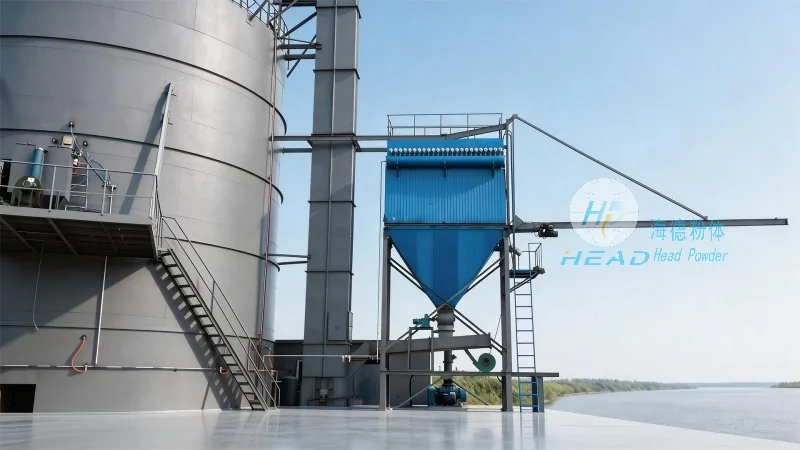
One of the primary advantages of dust gas power conveying systems is their ability to handle materials that are difficult to transport using traditional methods. Dust and powders can be prone to caking, agglomeration, or segregation, which can cause problems in mechanical systems. Pneumatic conveying, however, can effectively break up agglomerates and maintain a uniform flow of material, ensuring consistent performance. Additionally, the system is highly flexible, allowing for changes in material flow rates or destination points without significant modifications to the infrastructure. This adaptability makes it suitable for a wide range of industrial applications, from small-scale laboratory operations to large-scale manufacturing plants.
When considering the implementation of a dust gas power conveying system, several factors must be carefully evaluated to ensure optimal performance and efficiency. The first is the material characteristics, as different dust types have varying properties that affect the system design. For example, highly abrasive dust may require more durable materials for the conveying line, while moisture-sensitive materials may need additional drying or conditioning steps. The second factor is the system layout, which includes the distance between the feed and discharge points, the number of turns or bends in the pipeline, and the overall system complexity. These factors impact the required air pressure and flow rate, as well as the potential for material deposition or blockages. Finally, the choice of equipment, such as the type of fan (centrifugal, positive displacement) and the material of construction for the conveying line, must be made based on the specific application requirements.
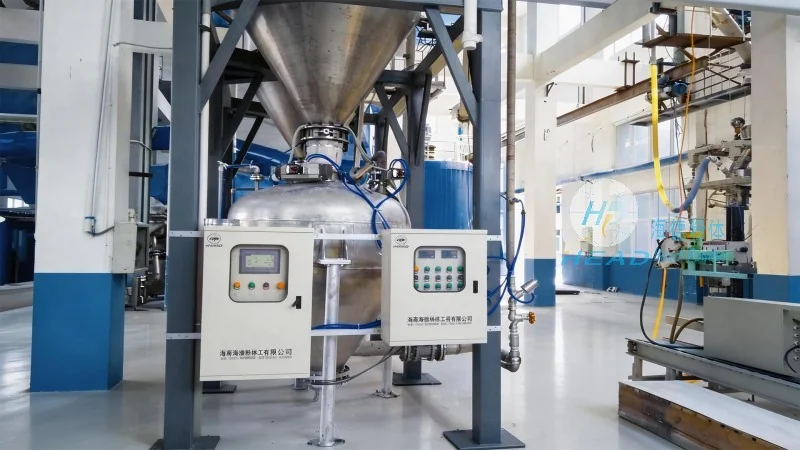
Shandong HeadPowder Engineering Co., Ltd., a leading provider of dust handling and conveying solutions, specializes in designing and manufacturing custom dust gas power conveying systems tailored to the unique needs of industrial clients. With years of experience in the field, the company has developed a deep understanding of the challenges associated with dust and powder transport and has developed innovative solutions to address them. The company's team of engineers and technicians work closely with clients to assess their specific requirements, from material characteristics to system layout, and design a system that maximizes efficiency and minimizes downtime. HeadPowder's commitment to quality and customer satisfaction has made it a trusted partner for businesses across various industries, including manufacturing, mining, and construction.
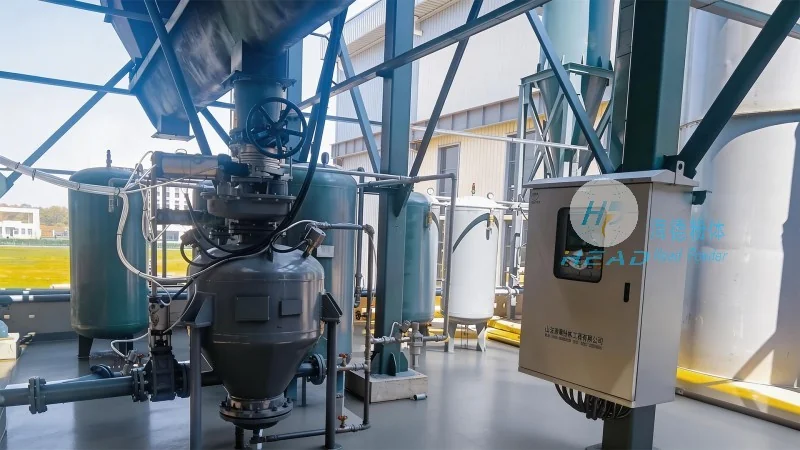
The company's facilities are located in Shandong, China, where it maintains a state-of-the-art manufacturing and testing facility. This allows for the production of high-quality components and the rigorous testing of systems to ensure they meet the highest standards of performance and reliability. HeadPowder's products are designed to be durable, efficient, and easy to maintain, with a focus on reducing operational costs and increasing productivity for its clients. The company also provides comprehensive after-sales support, including installation, training, and maintenance services, to ensure that clients can fully utilize the benefits of their dust gas power conveying systems.
In conclusion, dust gas power conveying systems offer a highly effective and flexible solution for the transport of dust and other bulk materials. By understanding the working principles and key components of these systems, as well as the factors that influence their performance, industrial operators can make informed decisions about implementing such systems in their operations. With the expertise and experience of companies like Shandong HeadPowder Engineering Co., Ltd., businesses can access reliable and customized solutions that meet their specific needs and contribute to improved efficiency and productivity.




